Church
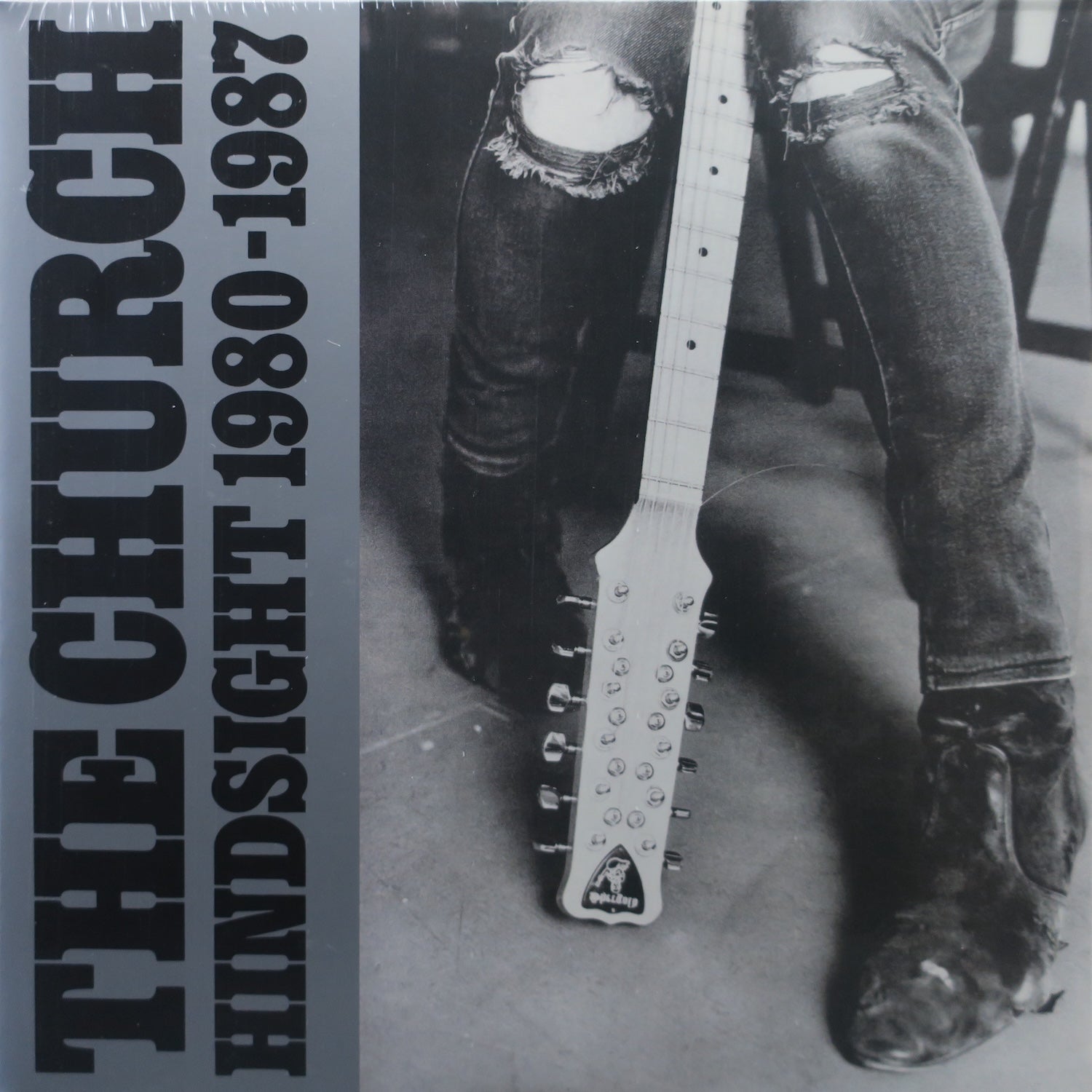
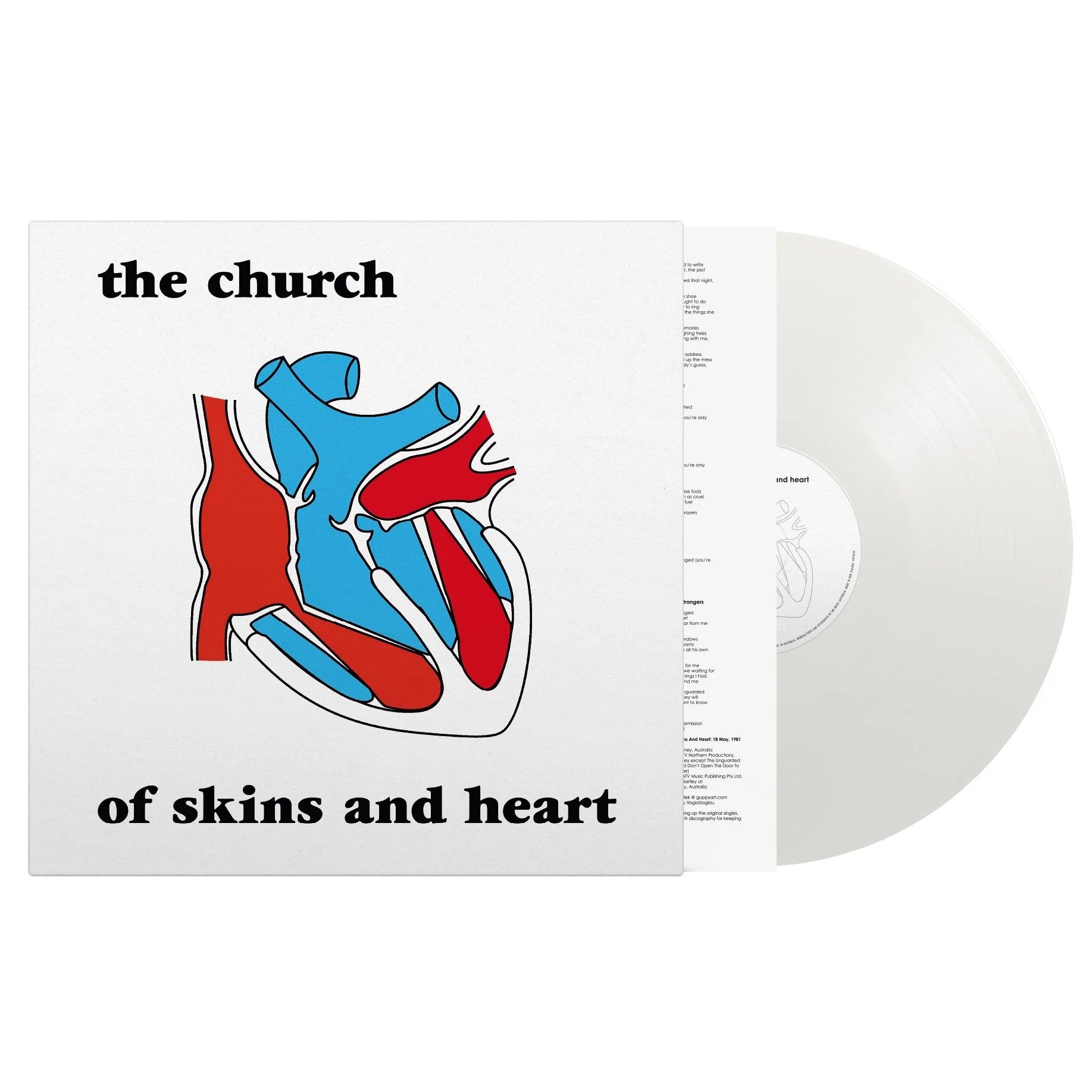
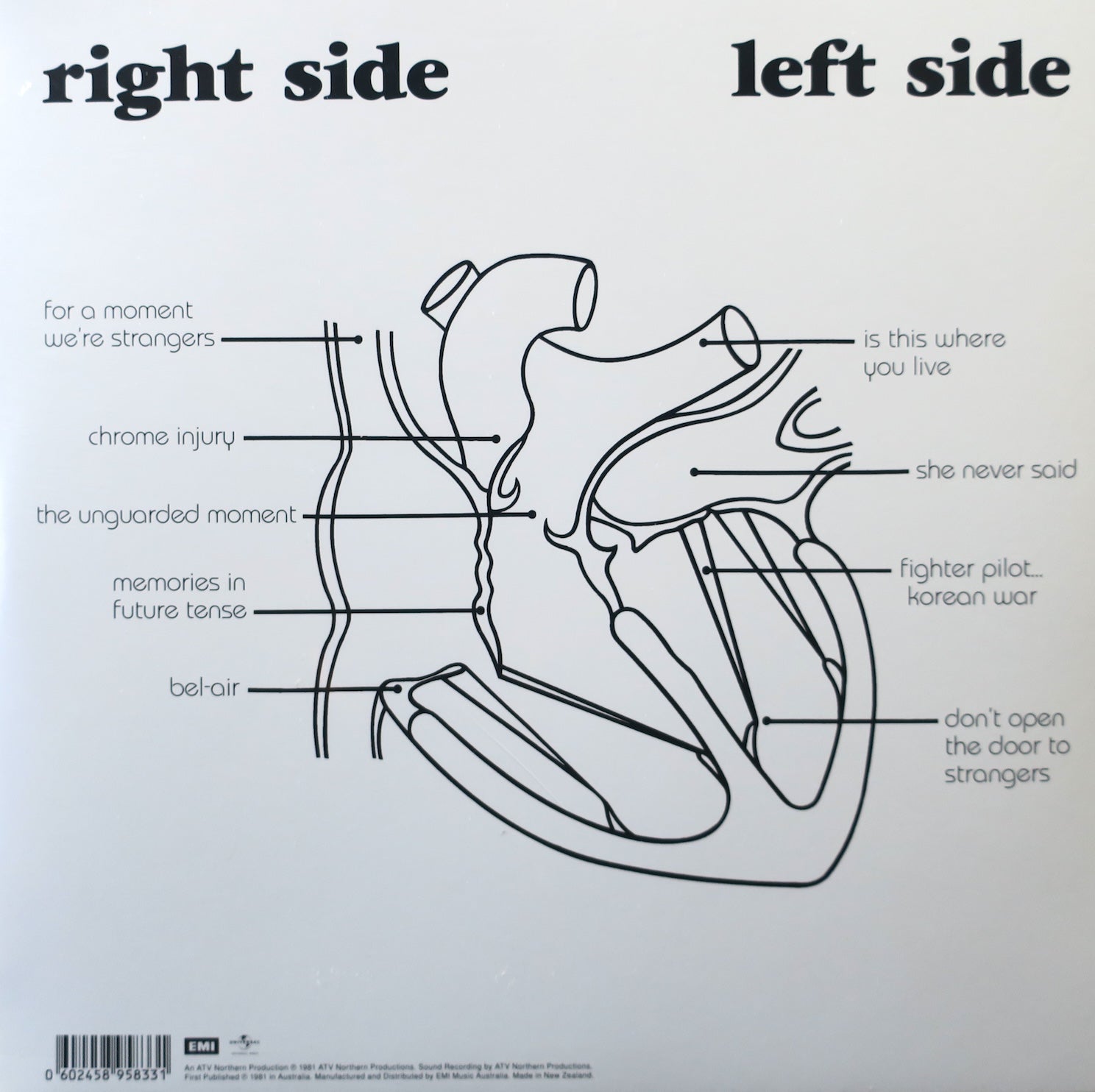
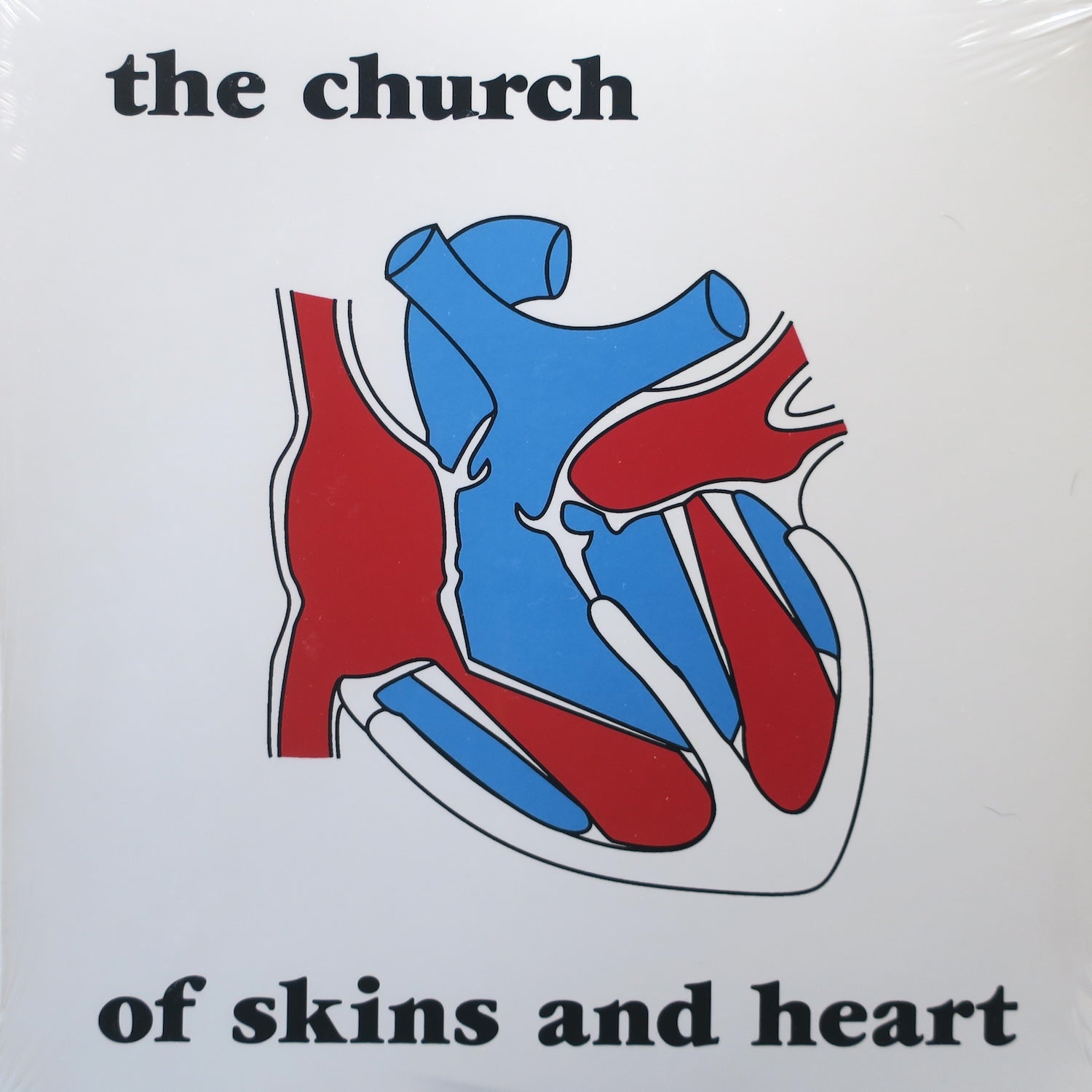
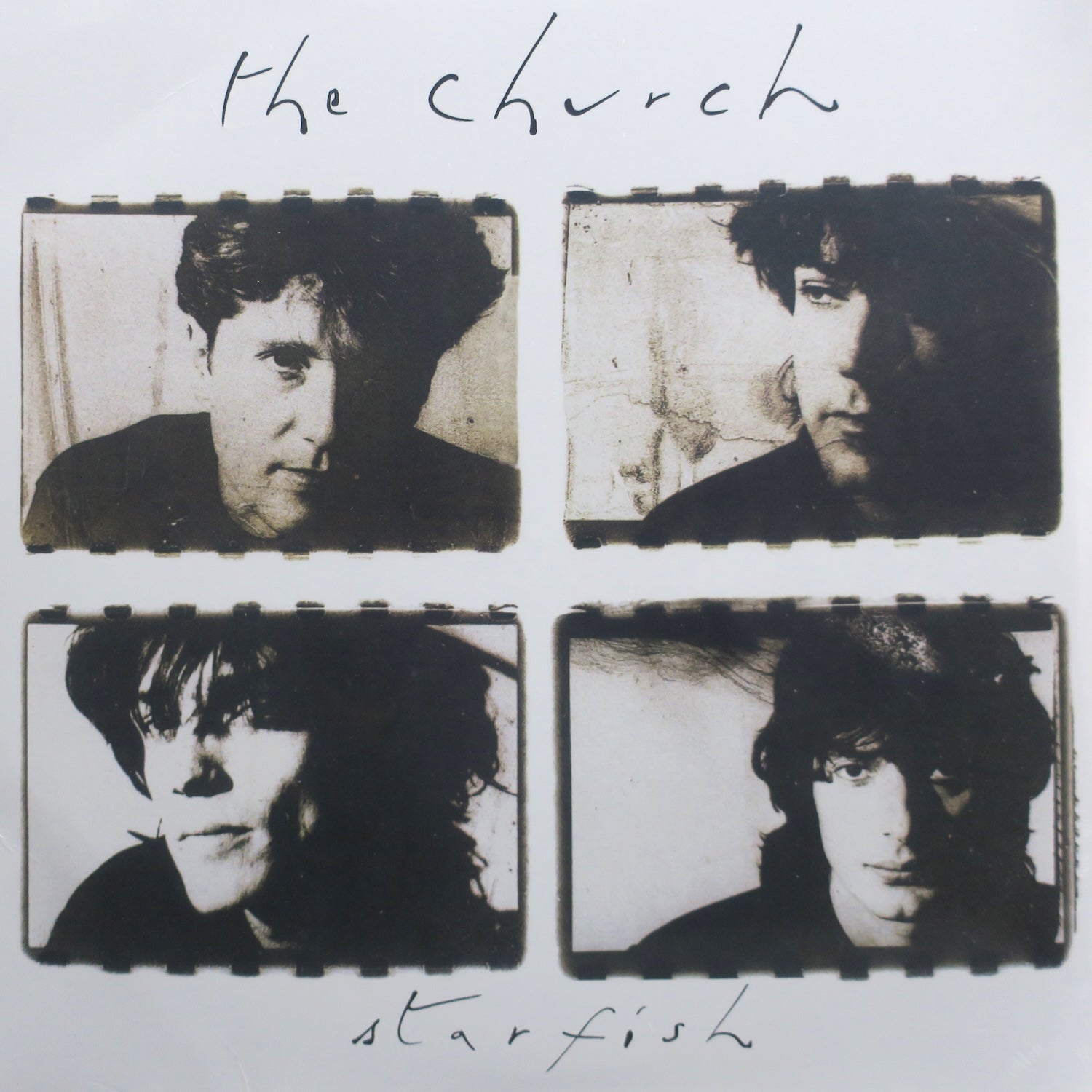
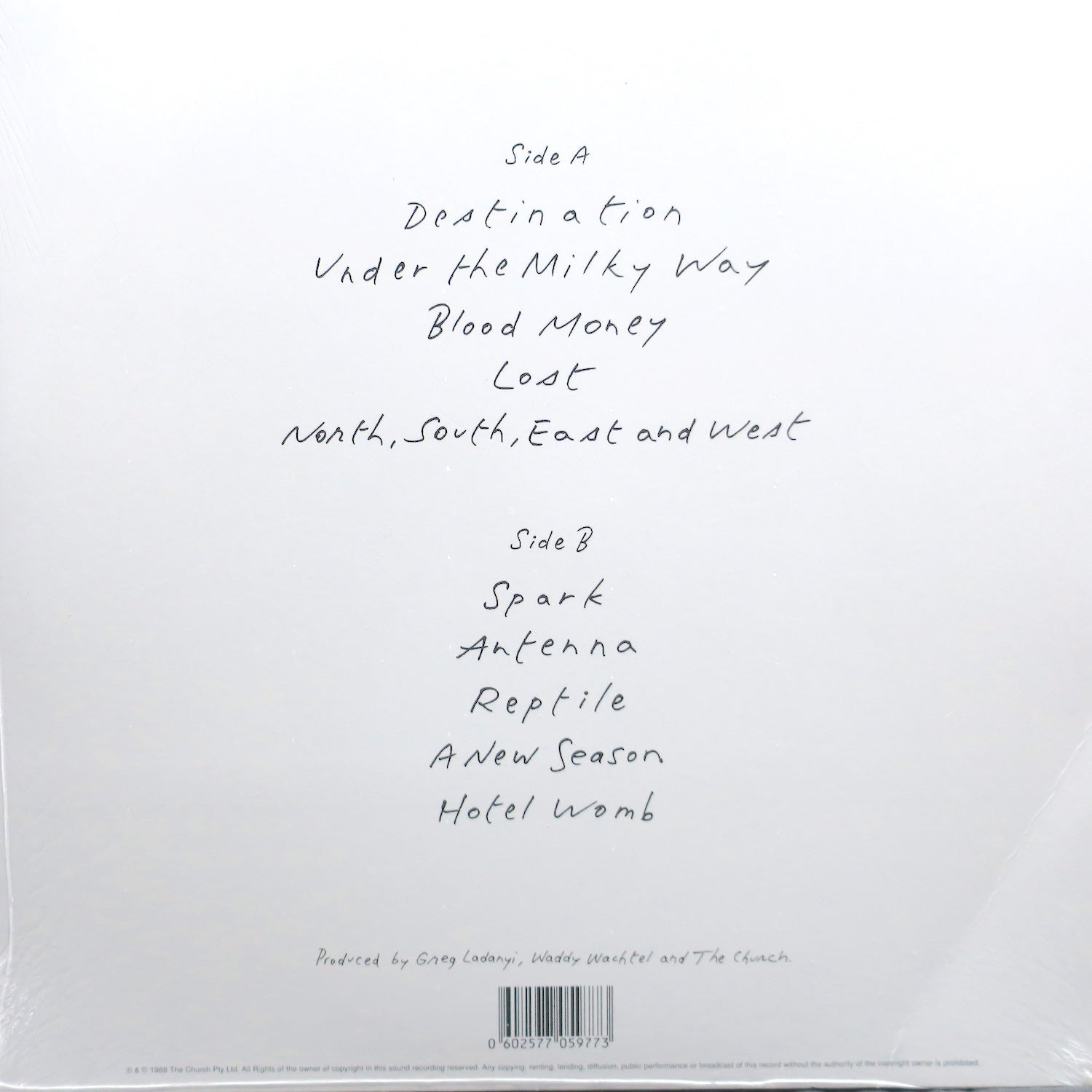
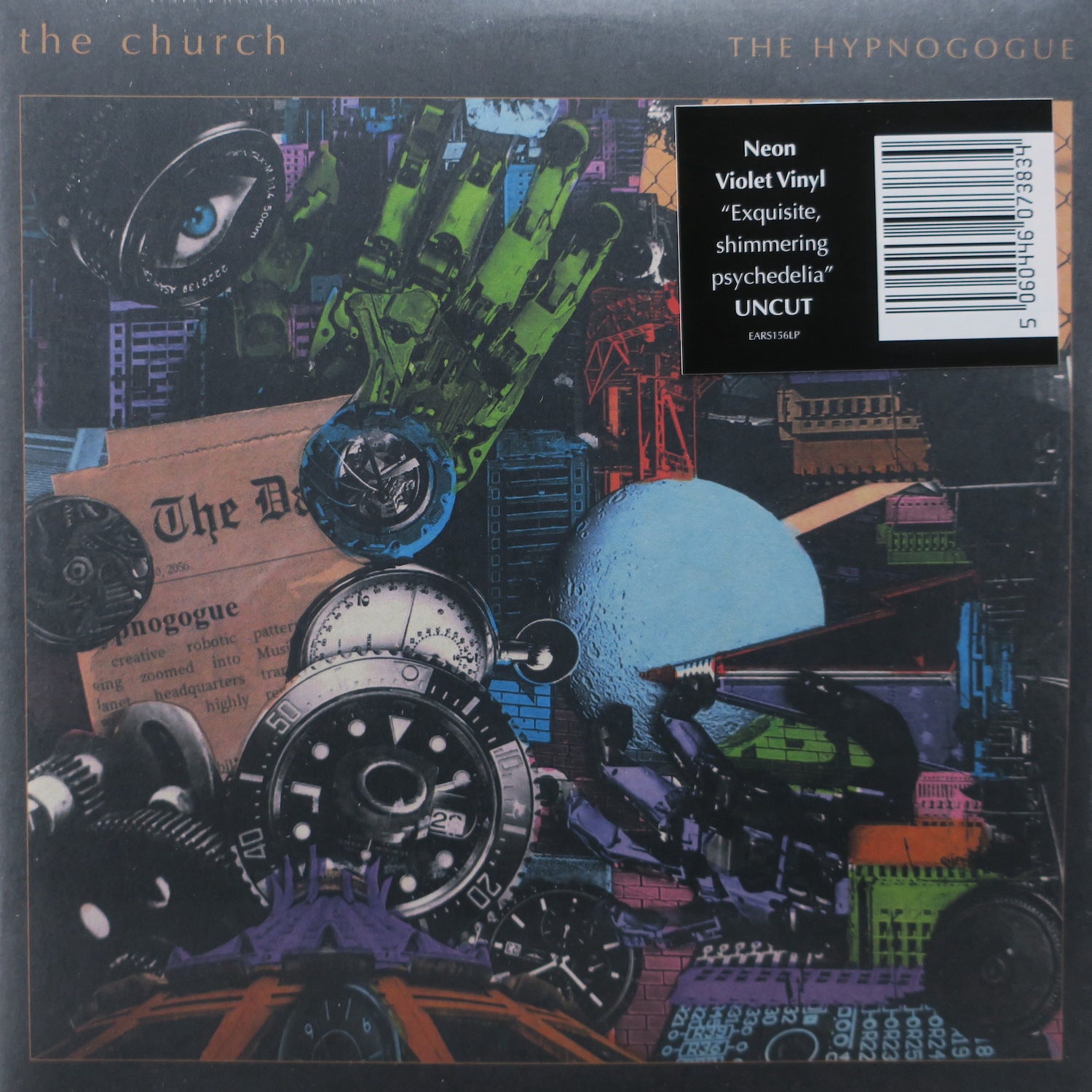
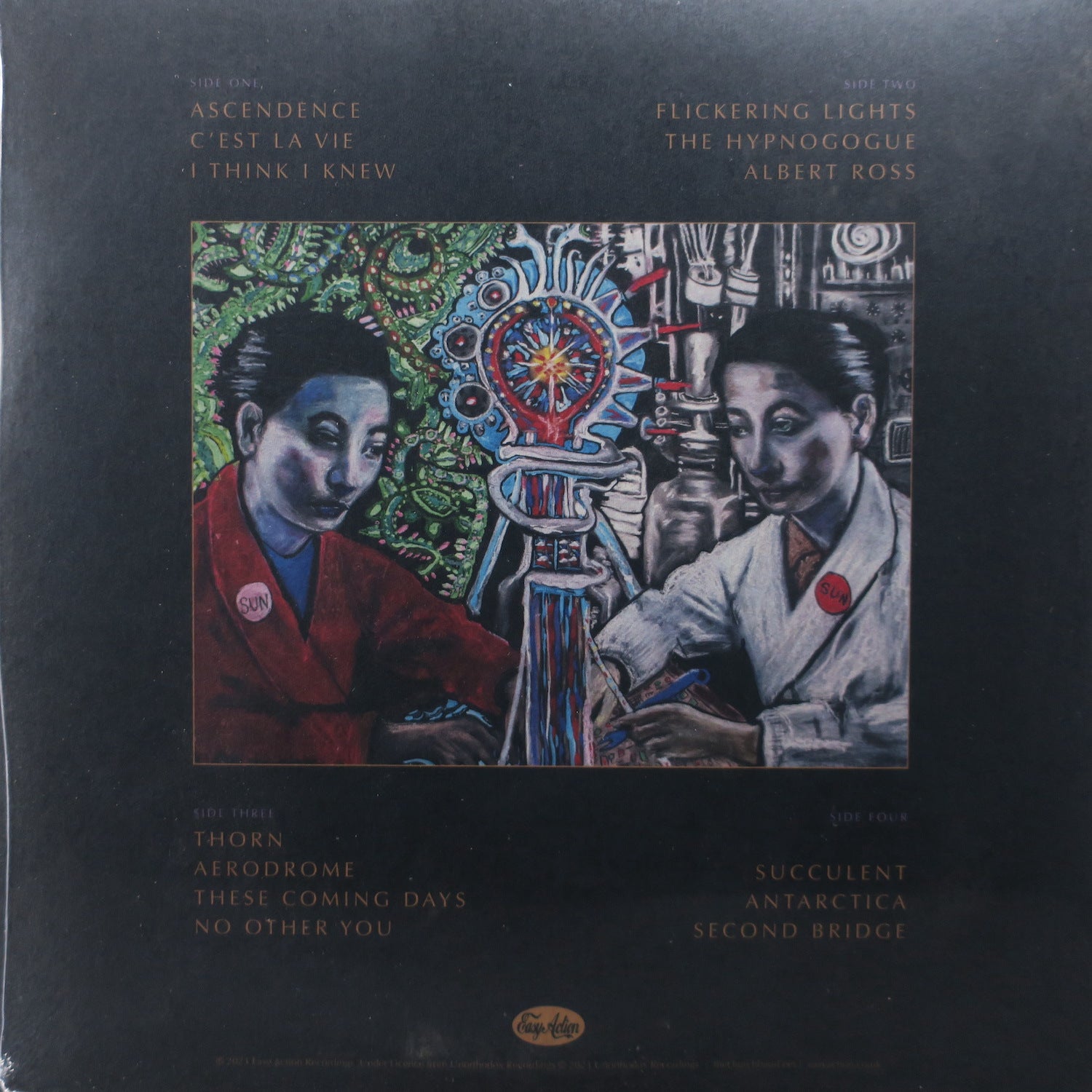
Few bands folded jangly guitar pop and late-night psychedelia together as insistently as Church. Much of their appeal comes from a tension between precise, chiming guitar interplay and a hush of atmosphere: songs that can sound like hymns for lonely driving. That balance reached millions with the single "Under the Milky Way," but it was present from the start — a through-line from the urgent jangle of Of Skins and Heart to the widescreen polish of Starfish.
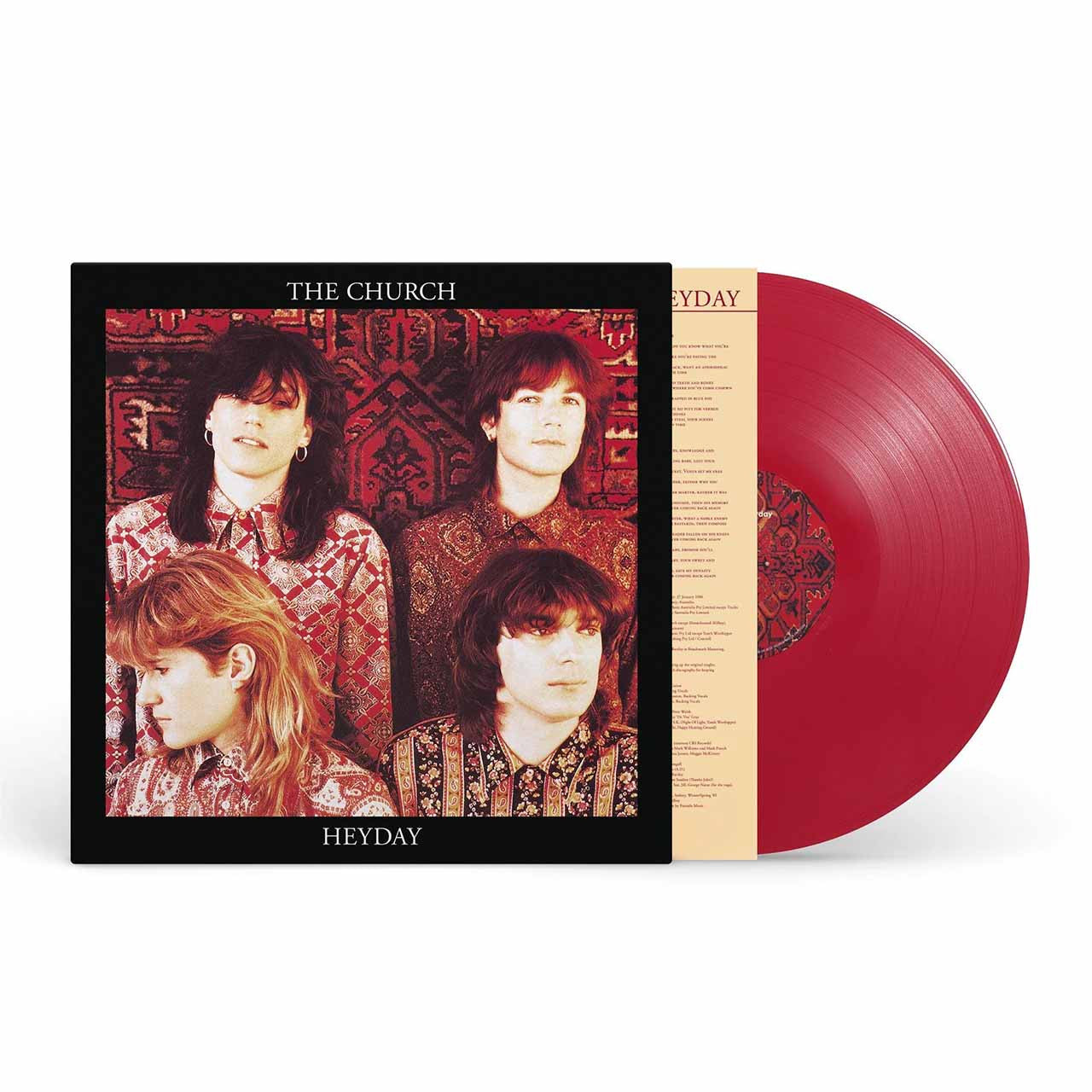
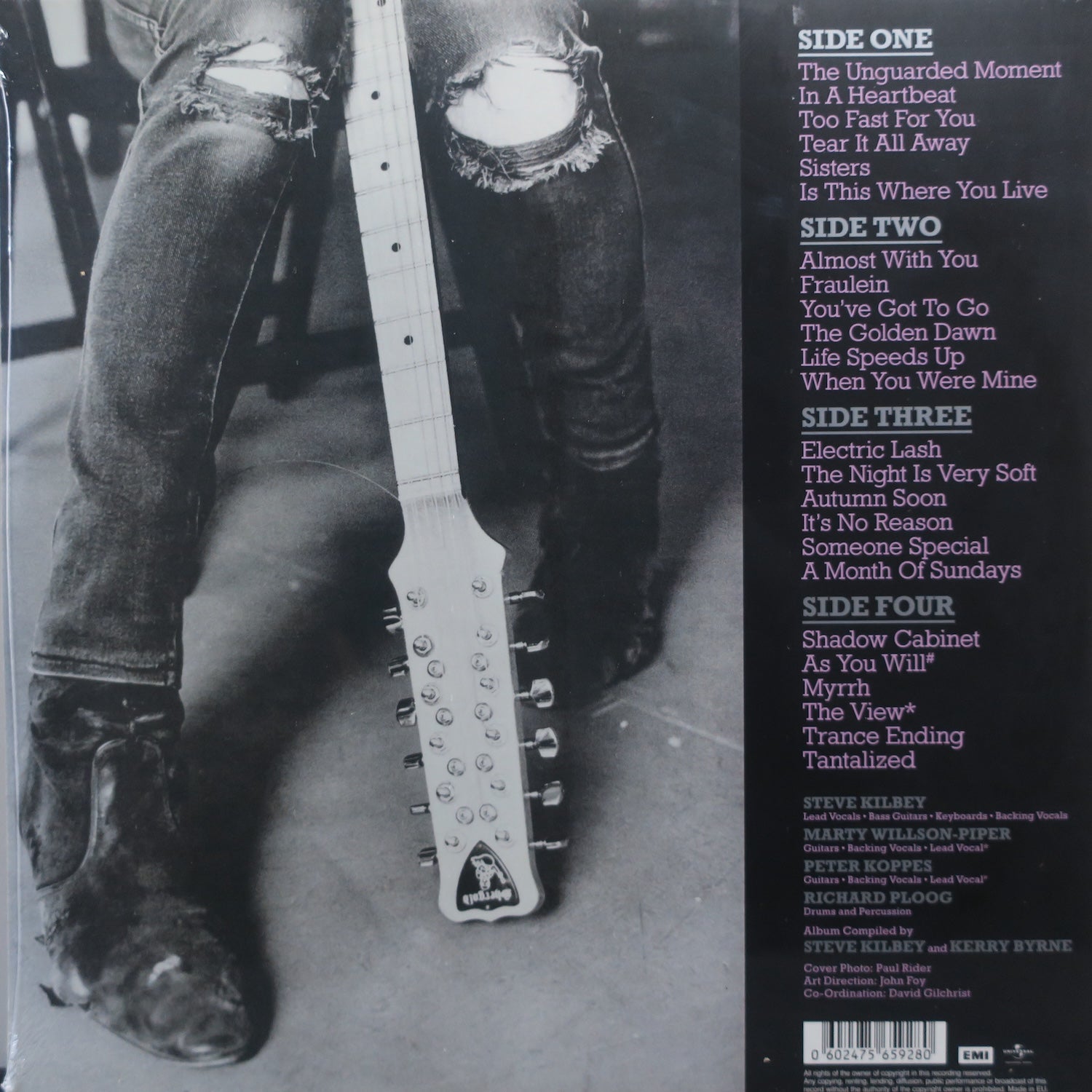
Steve Kilbey's baritone presence and elliptical lyrics give the band a distinctive center: simultaneously detached and deeply romantic. Guitarists Peter Koppes and Marty Willson-Piper created interlocking lines that move between bright, Byrds-like jangle and watery, reverb-soaked textures; those guitars are as central to Church's identity as the melodies. Drumming and rhythmic choices shifted over time but always supported that sense of a band sculpting guitar sound into mood.
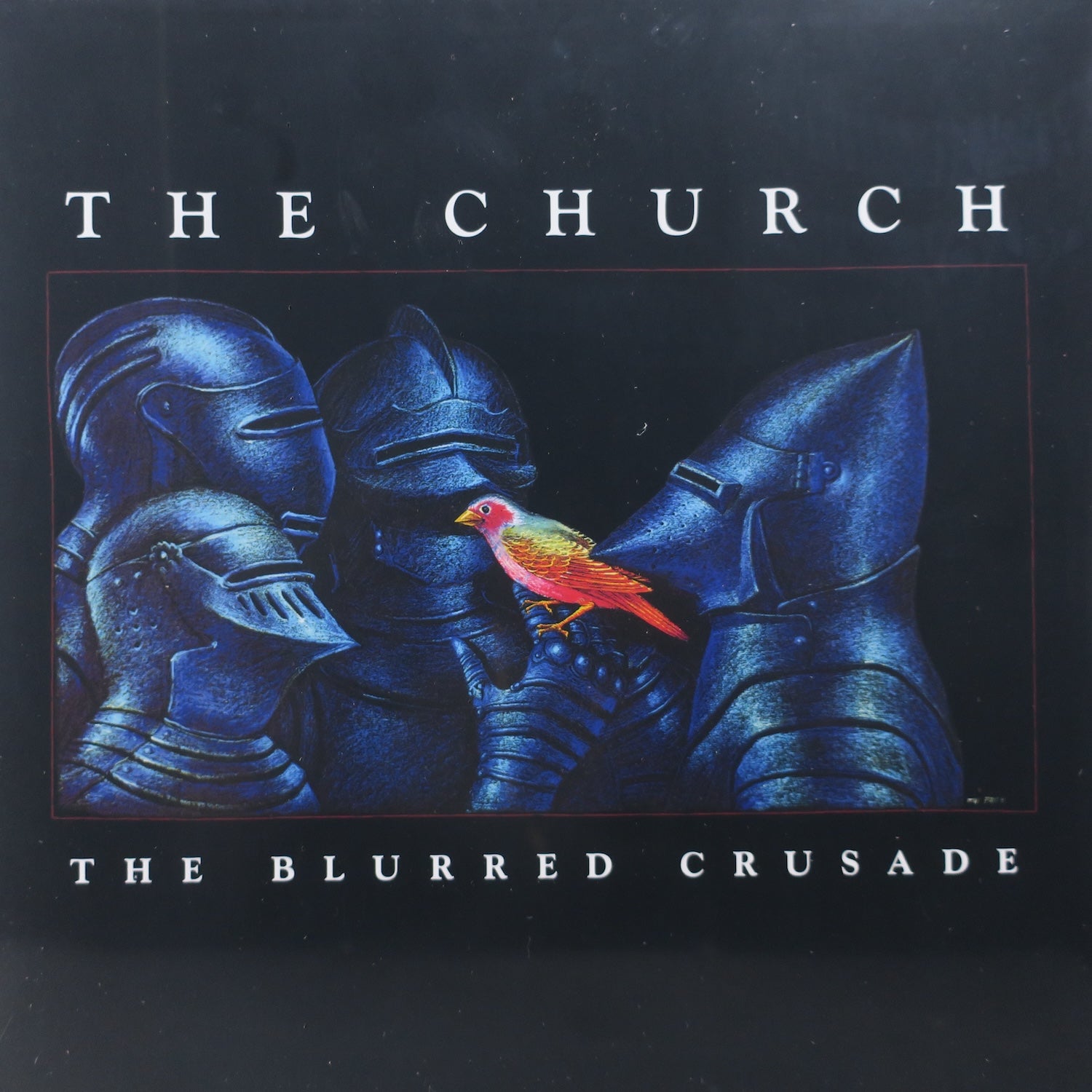
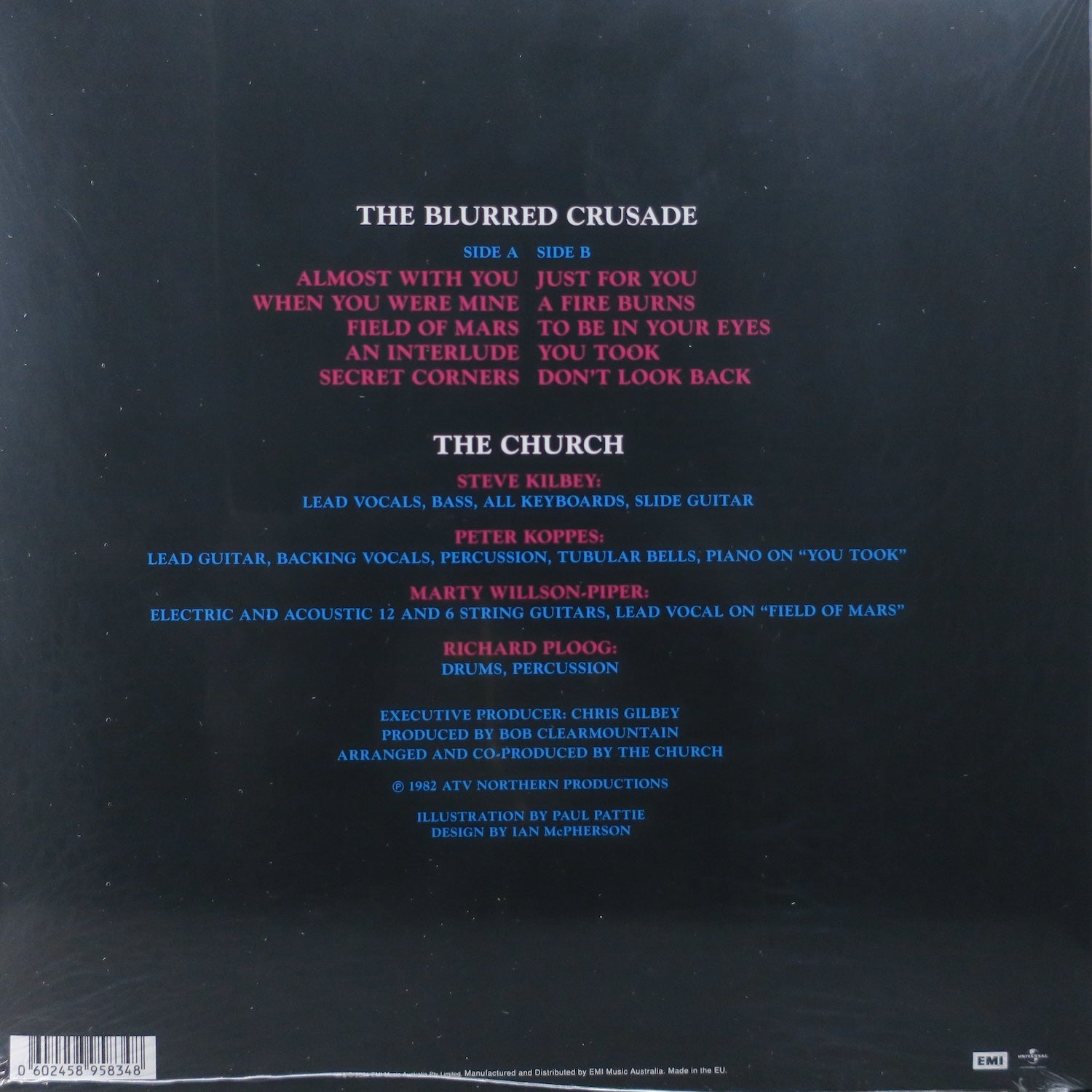
Church arrived from the Australian indie scene of the early 1980s alongside peers such as The Go-Betweens, sharing an appetite for literate songwriting and melodic economy. Over the decade the band flirted with bigger production values — Starfish is the clearest example — without abandoning the introspective undercurrent that marked earlier records like The Blurred Crusade. That ability to move from mop-top jangle to cinematic adult-alt rock made Church a useful bridge between post-punk guitar bands and later dream-pop and shoegaze artists.
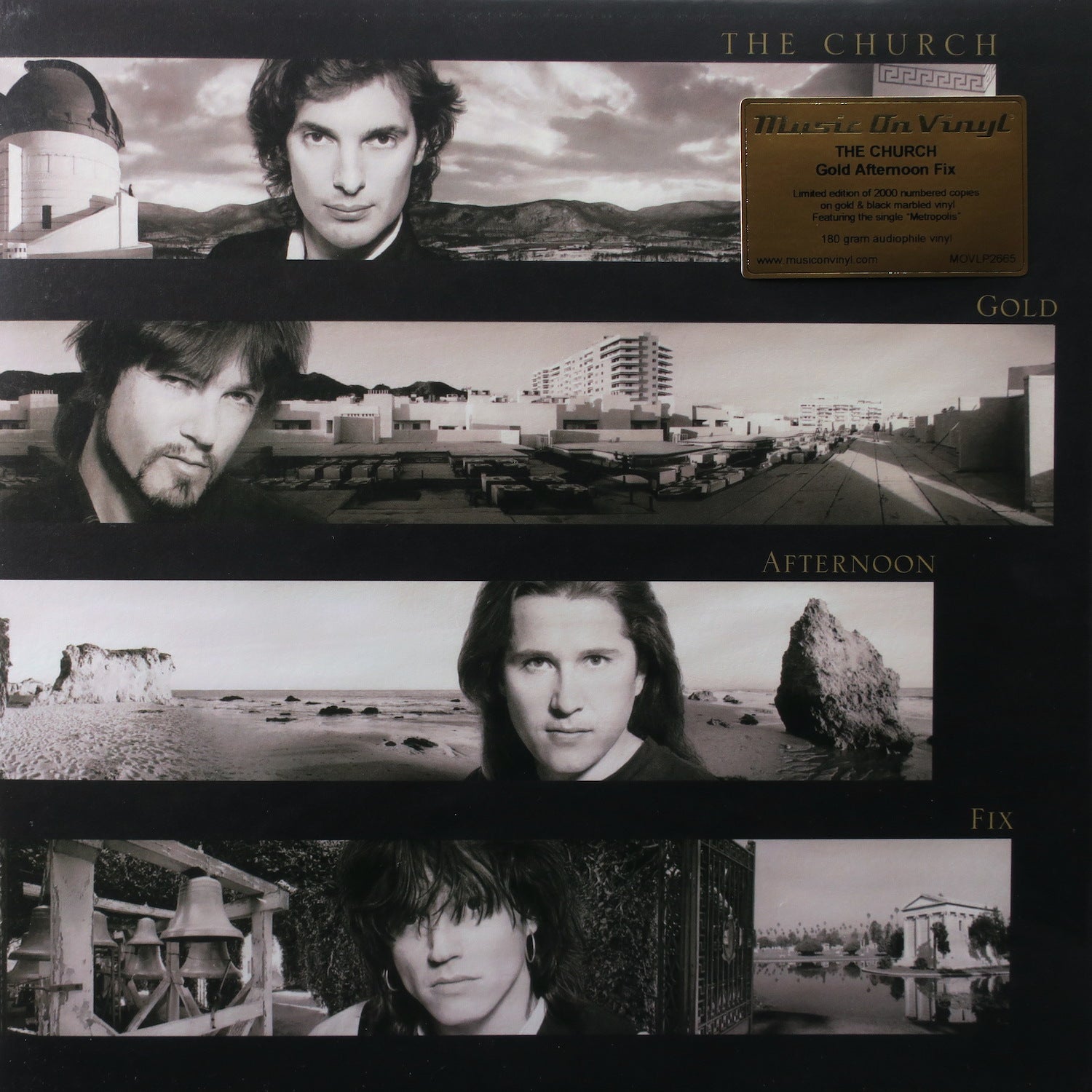
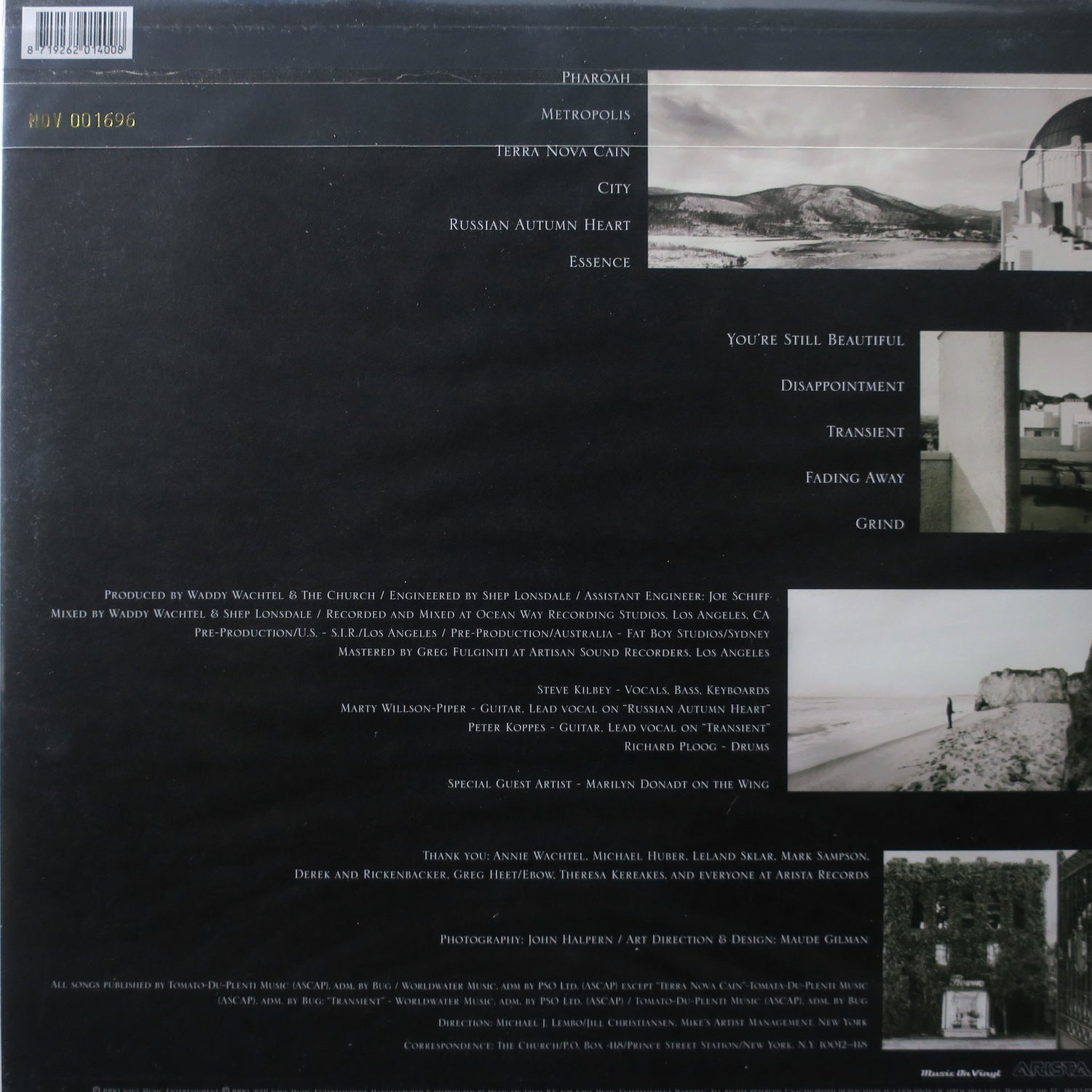
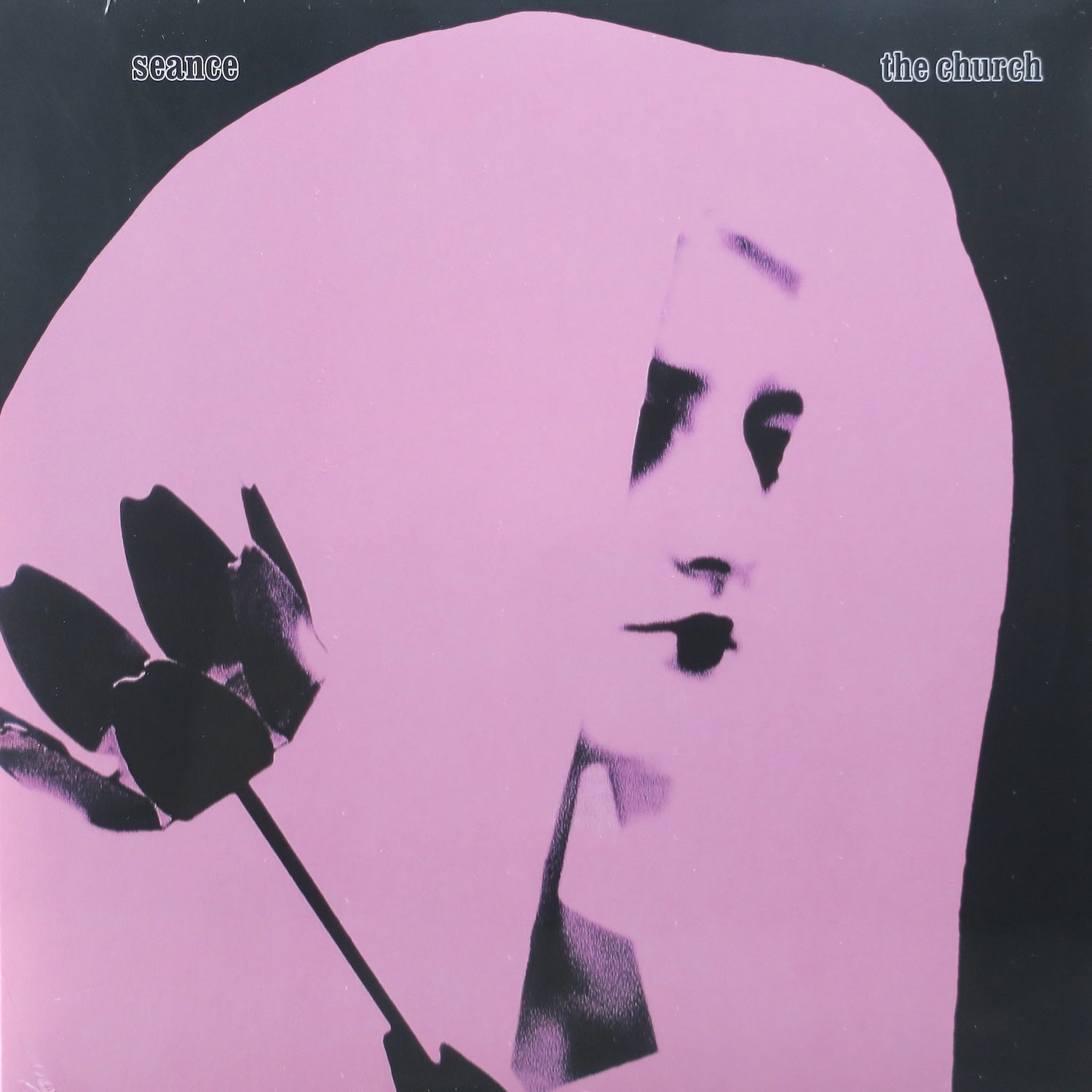
Fans often single out Gold Afternoon Fix and Sometime Anywhere as records that show different facets of the group's strengths: one leaning toward compact songwriting and the other toward textured, expansive arrangements. Across decades of releases, the core lineup — Kilbey, Koppes, Willson-Piper and later Tim Powles on drums — provided continuity even as production and musical fashion shifted. The band’s catalog rewards close listening: subtle studio touches and melodic turns that reveal themselves after repeat plays.
For listeners who appreciate the moodier side of 1980s alternative rock — bands that favor atmosphere as much as hooks — Church remains a band worth exploring. Their work clarifies how chiming guitars and reserved vocals can combine to create songs that feel both immediate and slightly out of reach, a quality that keeps those records compelling years after their initial release.