U2
U2's sound is often recognizable before the lyrics start: a chiming, delay-heavy guitar that can fill a small room and a stadium at once. That signature — largely the work of guitarist The Edge — turned atmosphere into a central compositional element, and it set the band apart as they moved from post-punk urgency into widescreen rock.
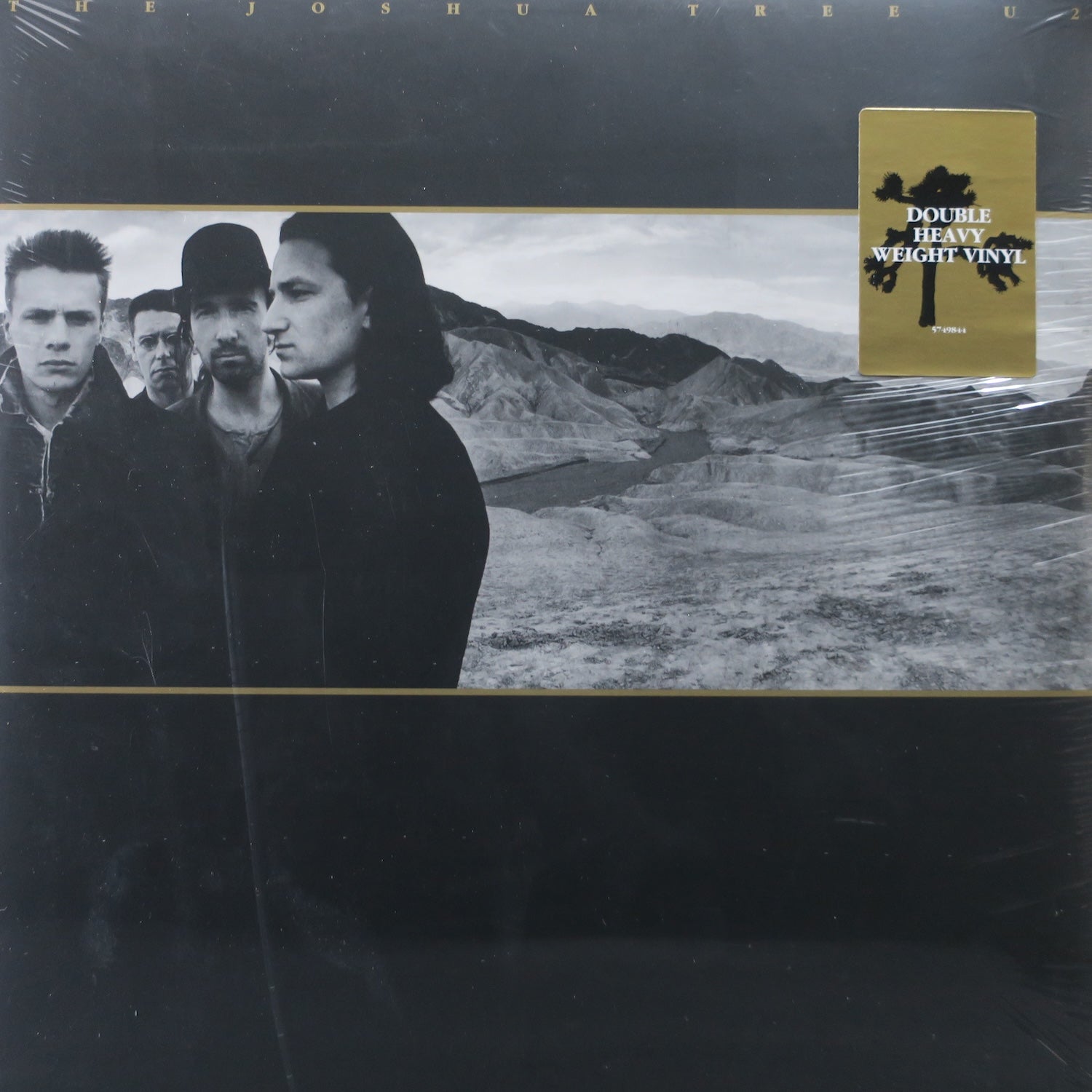
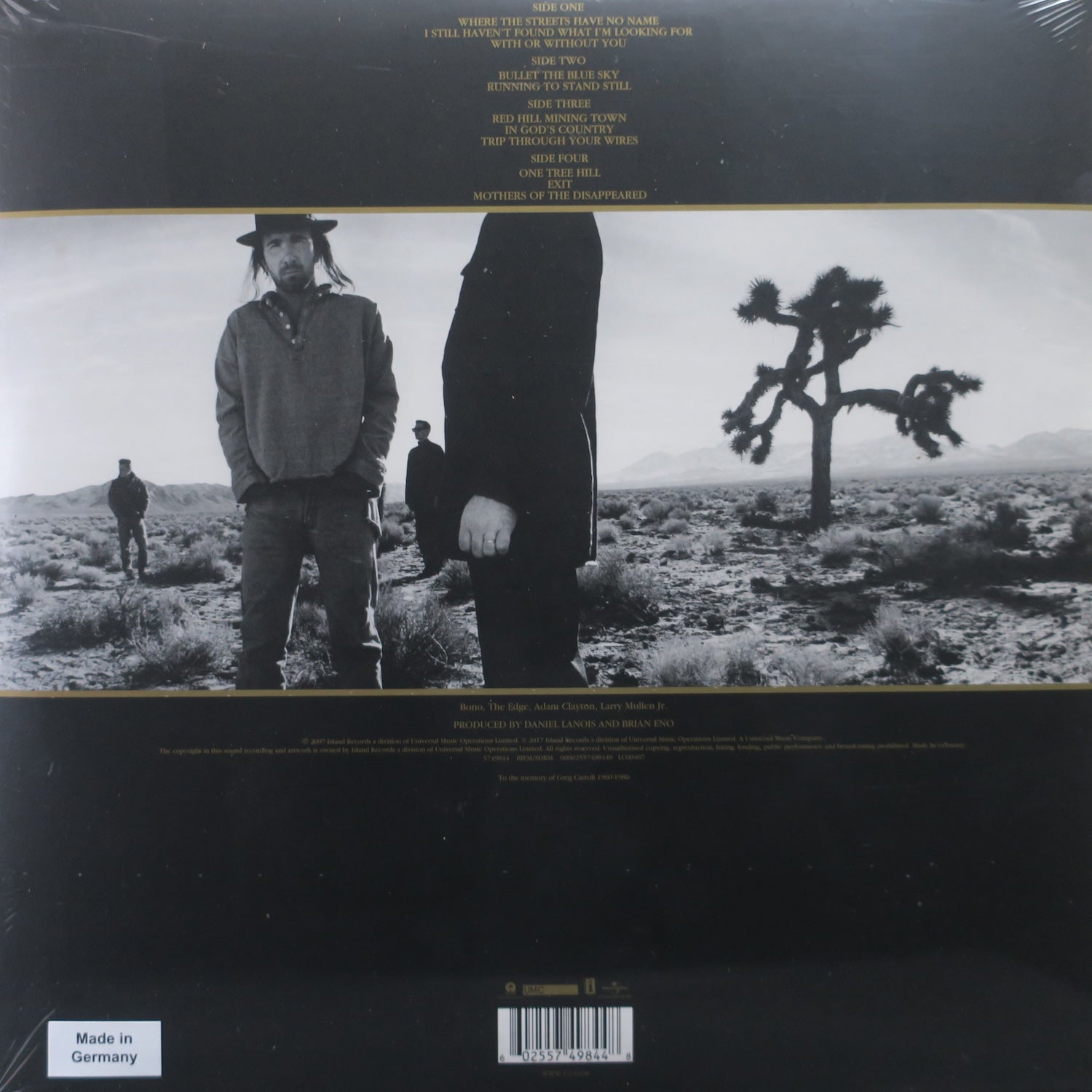
Emerging from Dublin in the late 1970s, U2 translated the immediacy of punk into songs with expansive dynamics and politically aware lyrics. Early records such as Boy and War introduced a youthful intensity and directness — songs like "I Will Follow" and "Sunday Bloody Sunday" married raw emotion with memorable hooks. Producers Brian Eno and Daniel Lanois arrived at a pivotal moment, helping the band turn sparse ideas into richly textured landscapes on albums such as The Joshua Tree. That record fused rootsy Americana and cinematic production, producing enduring tracks that broadened U2’s audience without sacrificing their sense of urgency.
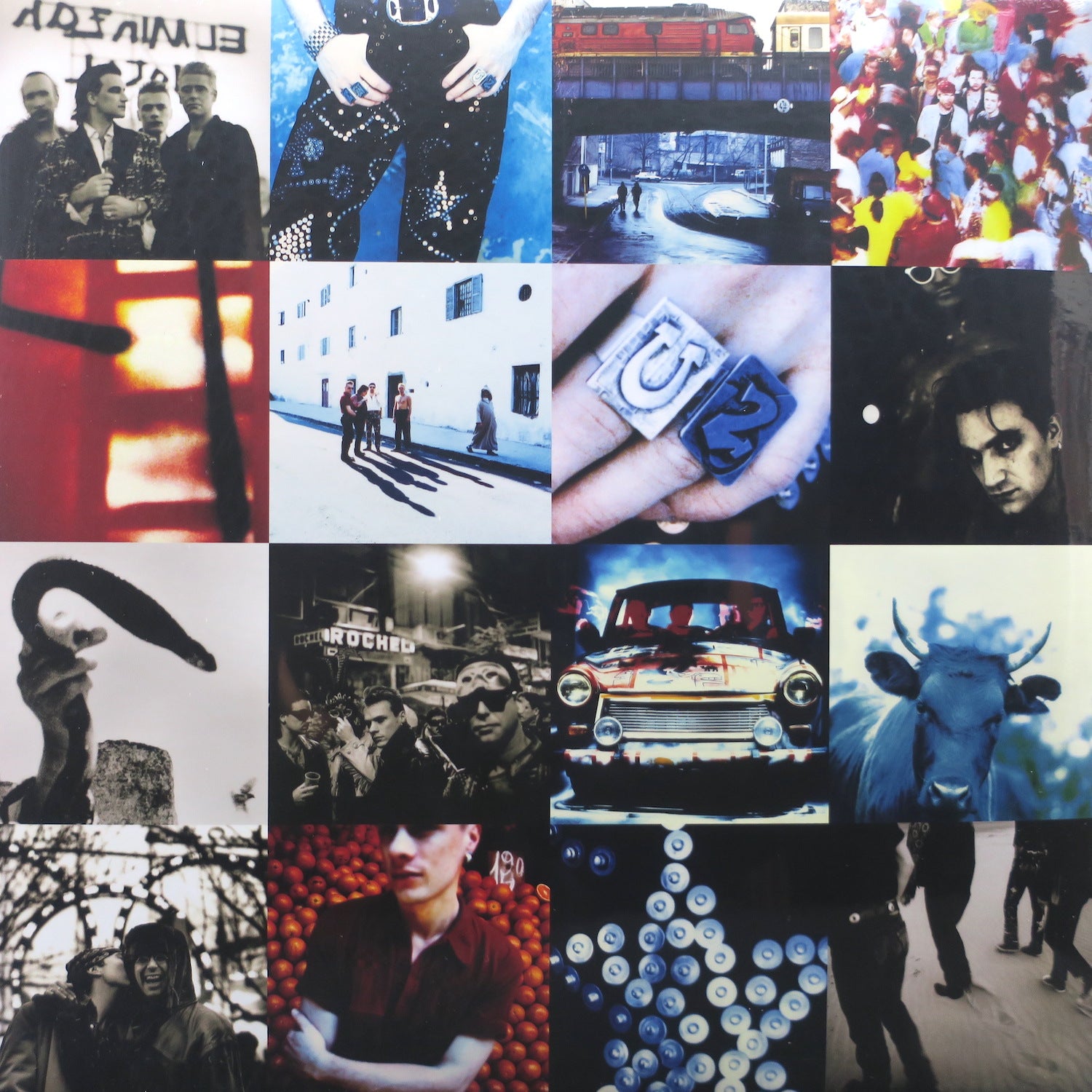
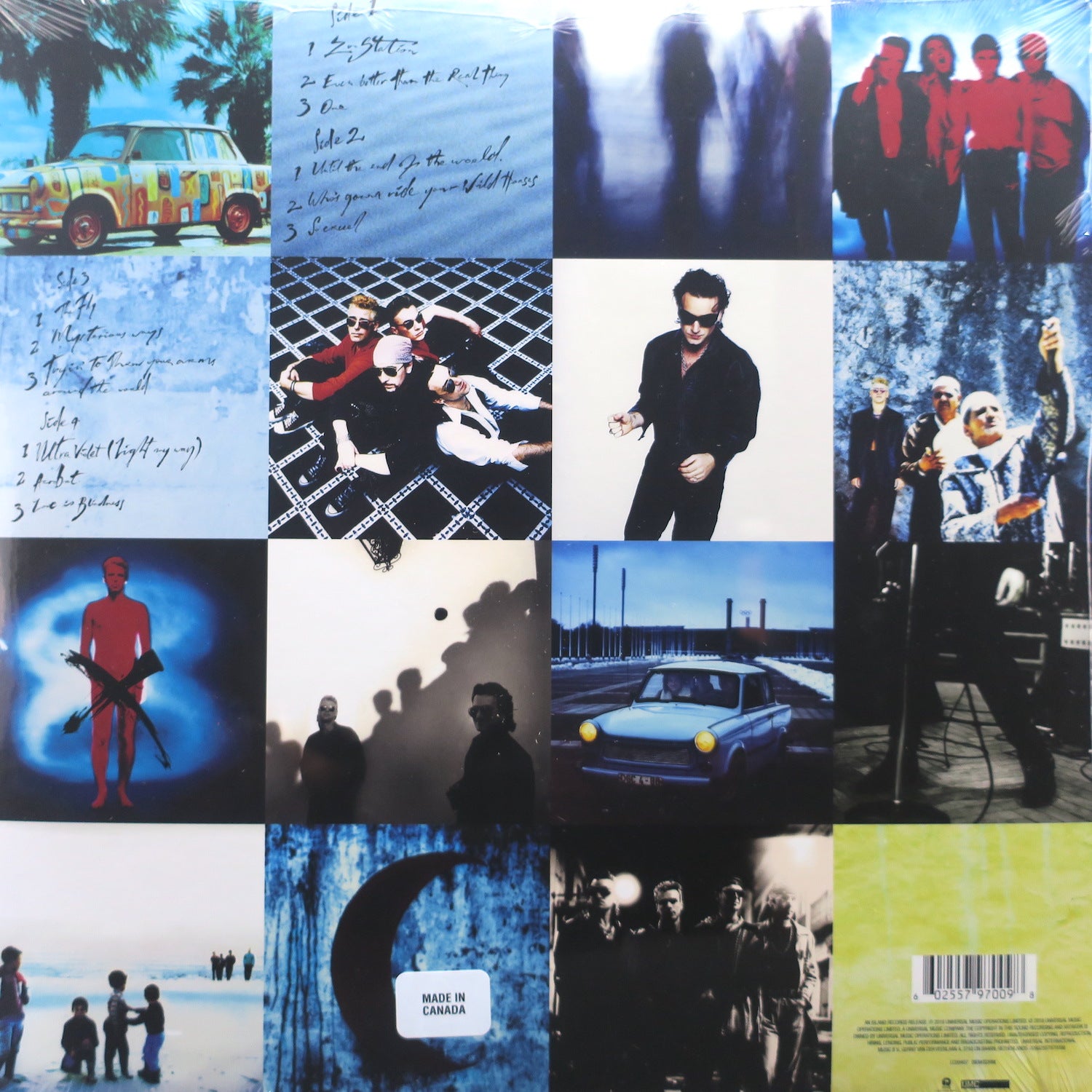
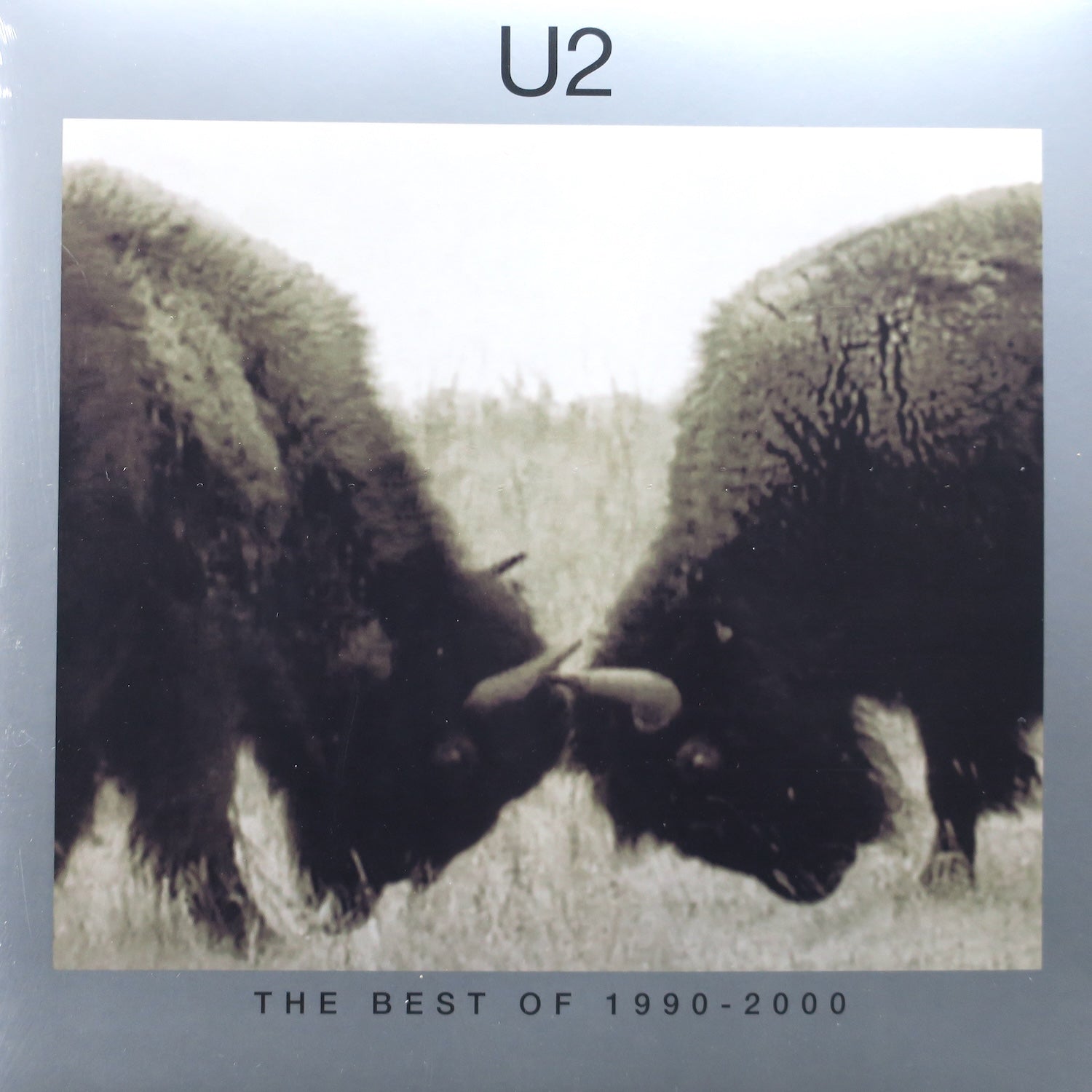
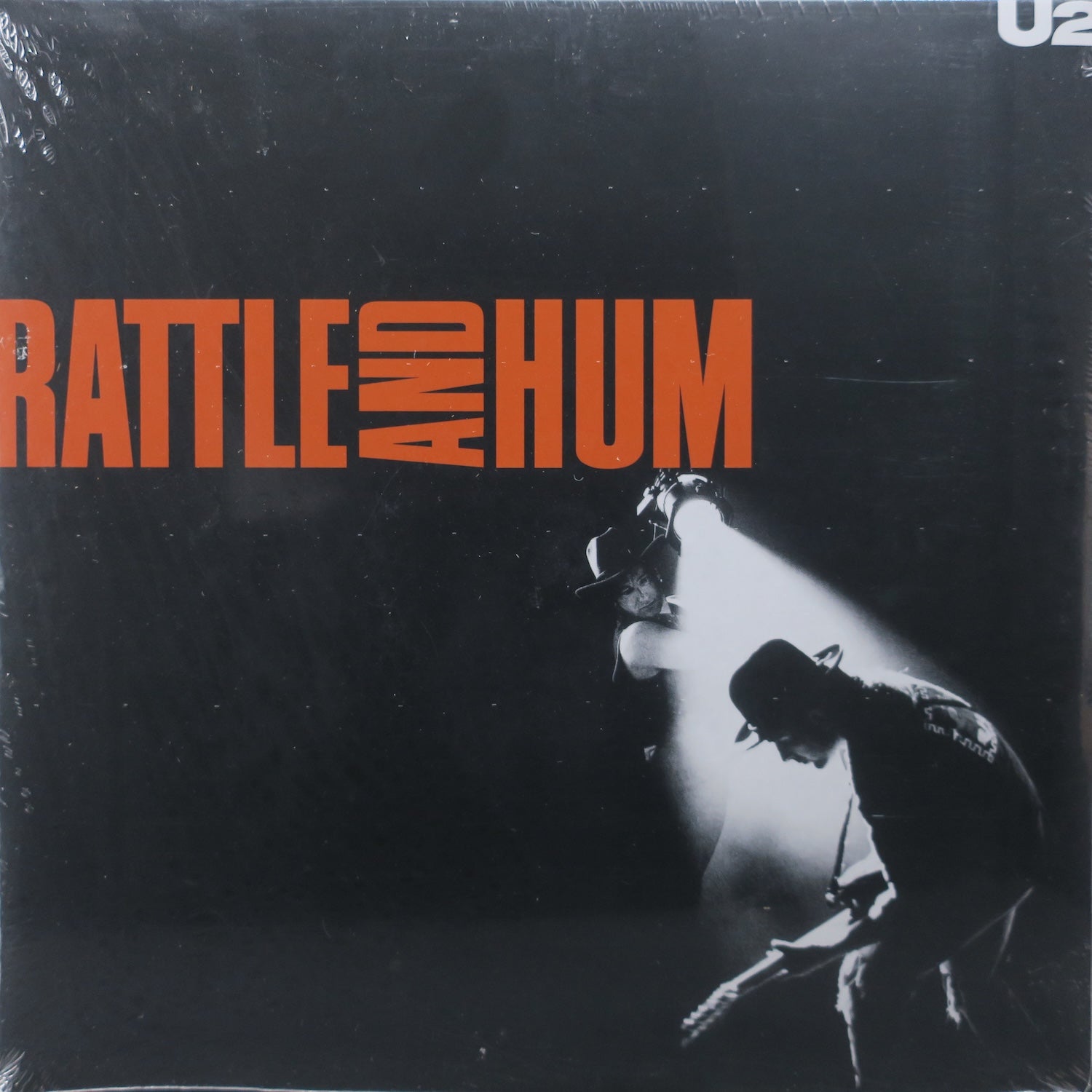
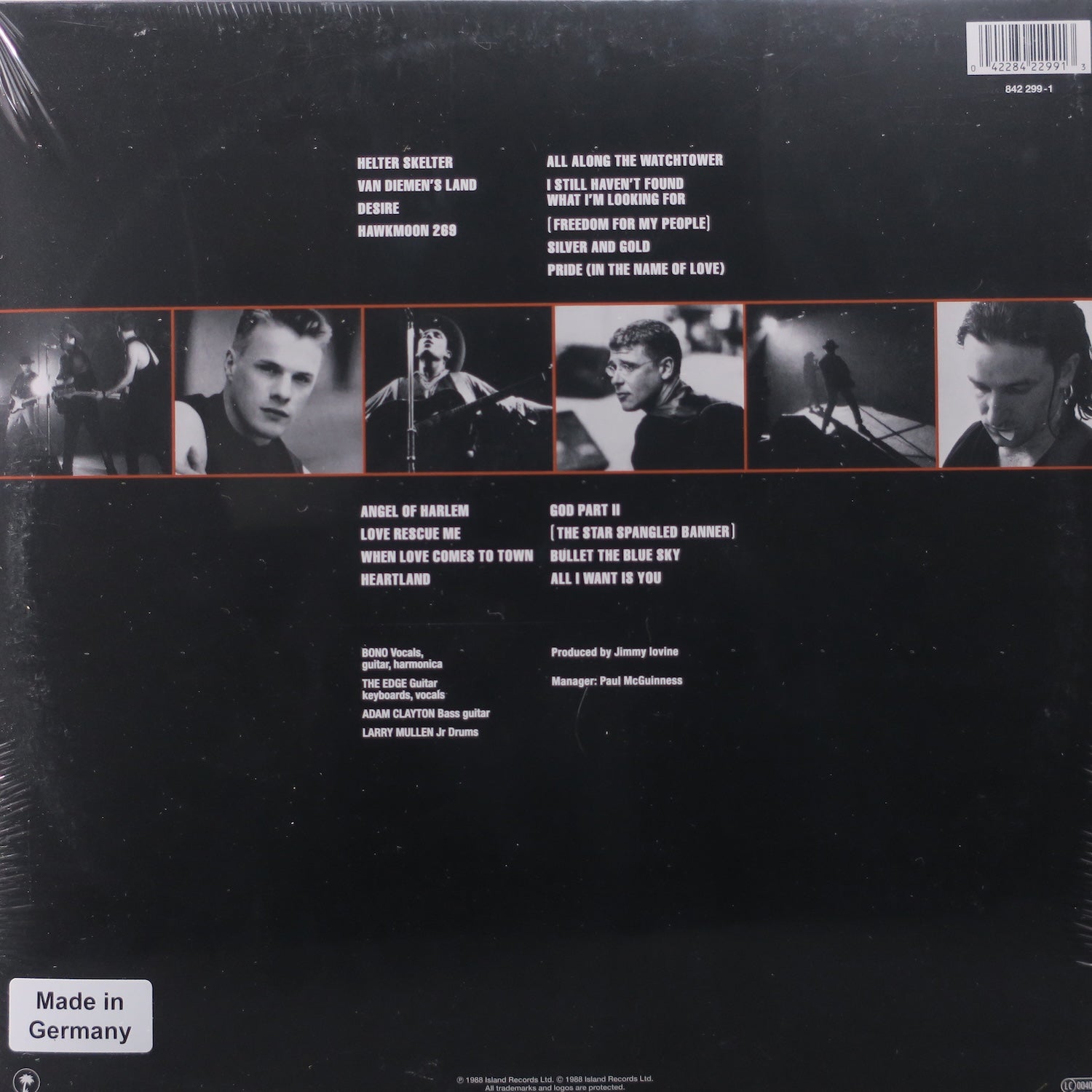
Achtung Baby marked another major turn: a willingness to embrace irony, dance rhythms and studio experimentation. It proved the group could reinvent itself while keeping the emotional core intact. Later records, from Rattle and Hum’s exploration of American roots to the reflective comeback of All That You Can't Leave Behind, show a band balancing spectacle with songcraft. Throughout, Bono’s vocal command and persona — equal parts preacher, storyteller and frontman — gave shape to the band’s ambitions, while Adam Clayton’s steadiness on bass and Larry Mullen Jr.’s martial drumming provided a tight rhythmic foundation.
U2’s collaborations matter as much as their records. Working repeatedly with Eno and Lanois introduced ambient color and production risks that other rock bands soon noticed. That studio sensibility, combined with a knack for arena-ready choruses, helped shape the template later acts would adopt.
For listeners encountering U2 for the first time, the band offers several entry points: the raw conviction of War, the wide horizons of The Joshua Tree, or the studio reinvention of Achtung Baby. Those records illustrate why U2 remained a band willing to reshape its sound while keeping a consistent appetite for big, emotionally direct songs.
Exploring U2 means tracing how a distinctive guitar voice, a committed singer, and adventurous producers turned rock into something at once immediate and expansive — music built to be heard closely and in the largest rooms available.