Aphrodite's Child
Aphrodite's Child made music that could sound like a tidy pop single one minute and, a few years later, an enormous, restless concept record. That contrast — radio-ready baroque pop early on and then the dense, theatrical prog of 666 — is the clearest reason the group still gets attention.
On early singles such as Rain and Tears the band paired melodramatic vocal harmonies with string arrangements and glossy production, which gave them chart success across Europe. Those tracks showcased Demis Roussos's distinct, emotive tenor and a knack for melodic hooks that could sit comfortably on AM playlists while hinting at something larger beneath the surface.
At the center of the band's musical identity was Vangelis on keyboards. His taste for lush textures and adventurous arrangements set the group apart from many contemporaries and foreshadowed the electronic and film-scoring career that would follow. Lucas Sideras supplied a steady, often inventive rhythmic foundation that kept the group's more theatrical ambitions grounded and listenable.
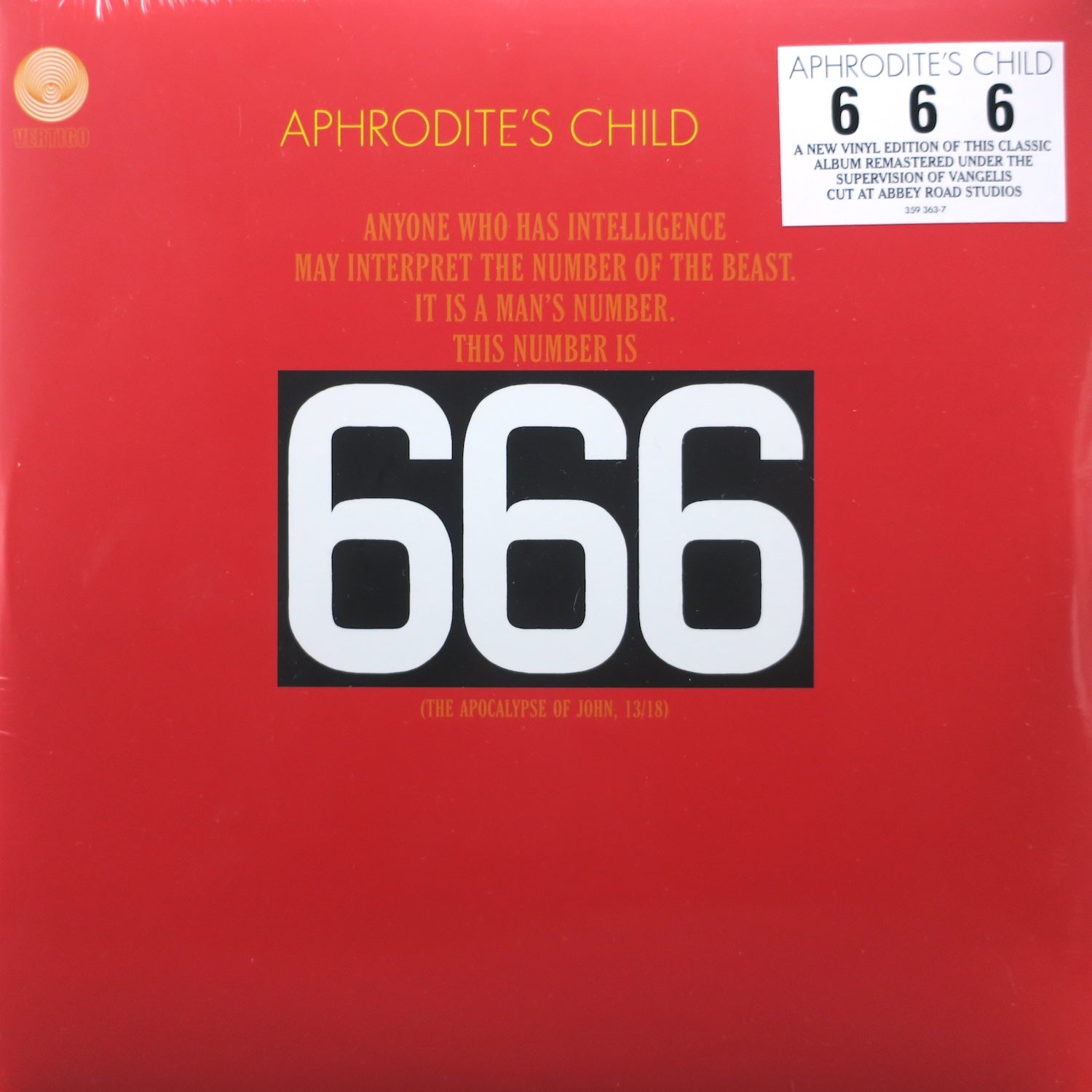
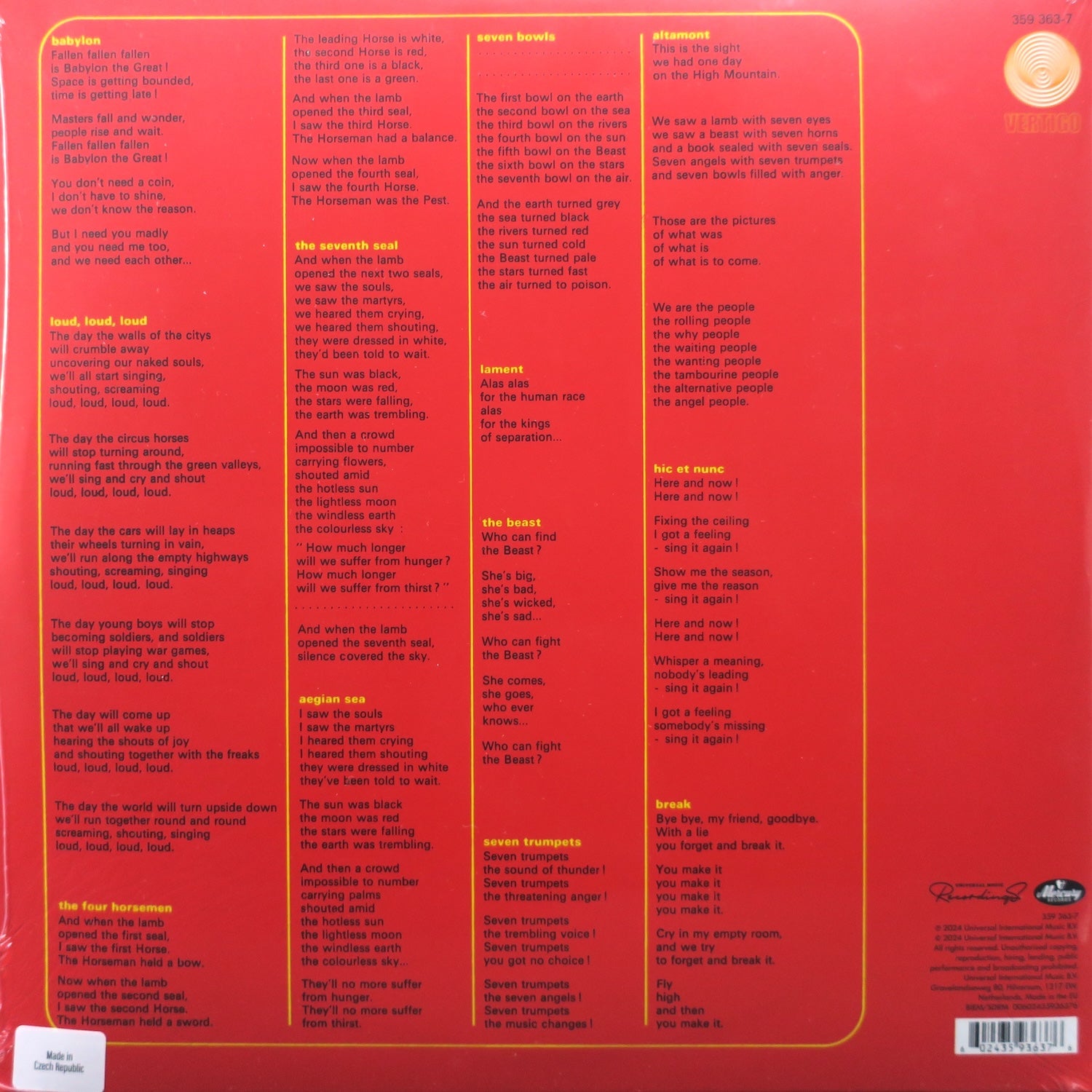
The group's final major statement, 666, is what most listeners turn to when they want the full Aphrodite's Child experience. Presented as a dramatic concept record, it folds elements of psychedelia, progressive rock and art-pop into sprawling compositions that reward repeated listens. The album can feel theatrical and unsettling in places, but it also reveals careful melodic construction and the same melodic sensibility heard on their hits.
Aphrodite's Child belongs to a particular late-60s/early-70s European scene where classical touches, organ and dramatic vocal delivery met rock instrumentation. That places them alongside other bands experimenting with baroque textures and extended album forms; at the same time, the group's career is notable for how quickly members moved on to very different, highly visible paths — Vangelis into solo composition and film scores, Demis Roussos into an international solo-pop career.
For listeners who know them only for a hit single, exploring both the band's singles-era record and 666 reveals a striking range: catchy, orchestral pop that could cross borders, and ambitious, theatrical rock that pushed what a rock album could be. That duality is what keeps Aphrodite's Child worth revisiting decades later.