Lana Del Rey
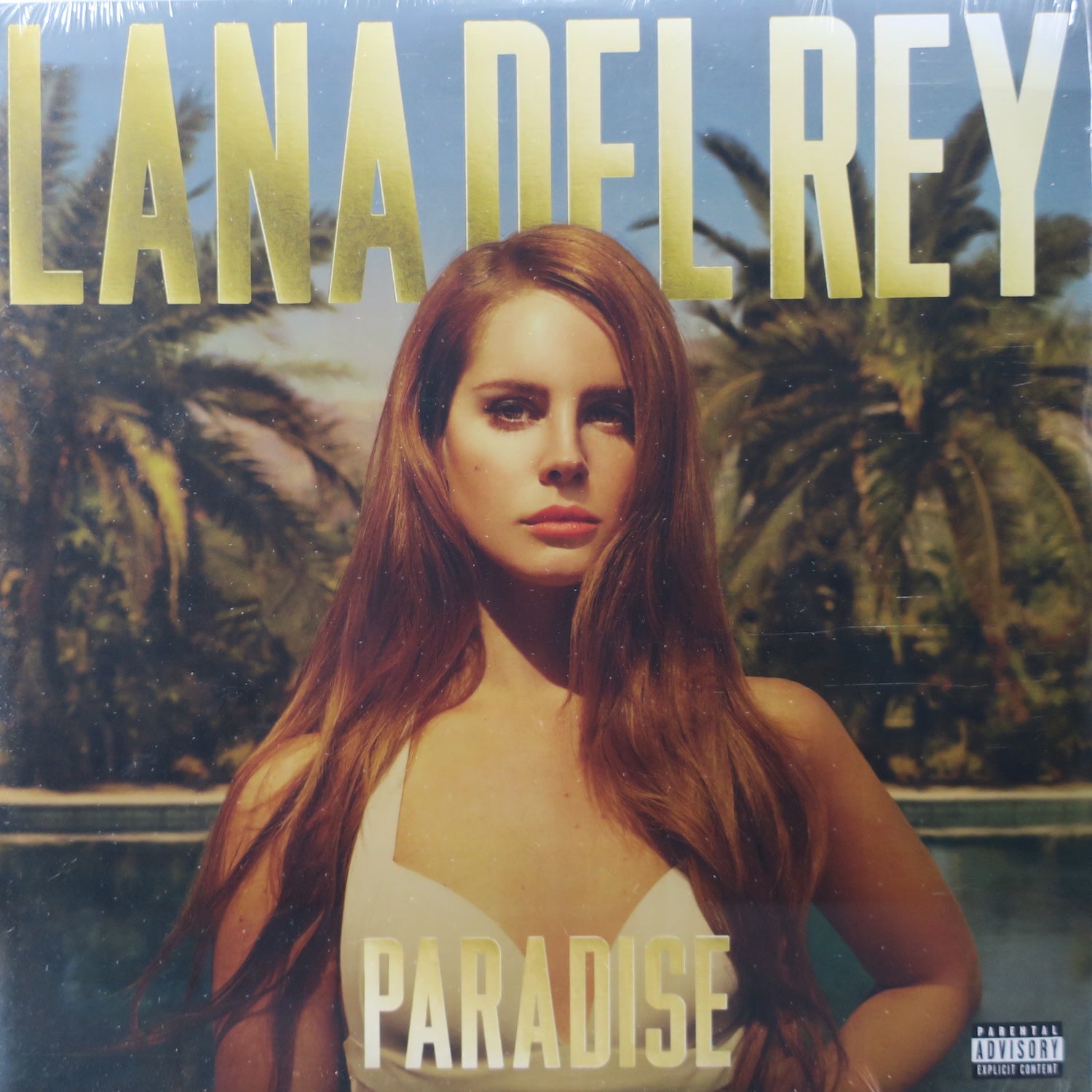
Lana Del Rey built a signature sound by treating pop like a film score: slow-burning, sun-faded storytelling wrapped in strings, reverbs and vintage Americana. That combination turned songs such as “Video Games” and “Summertime Sadness” into mood pieces rather than radio singles — pop tuned to late-night confessionals and highway loneliness.
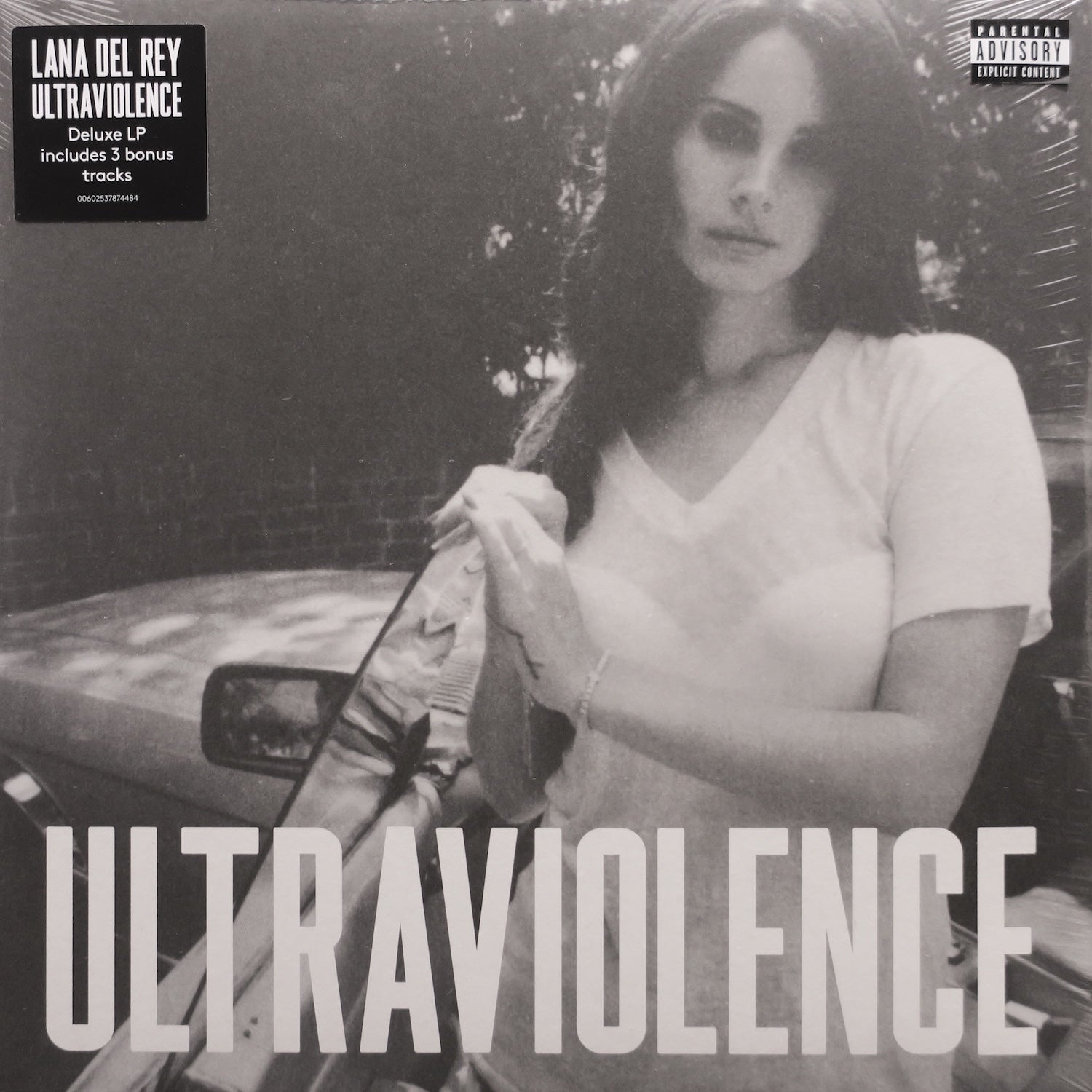
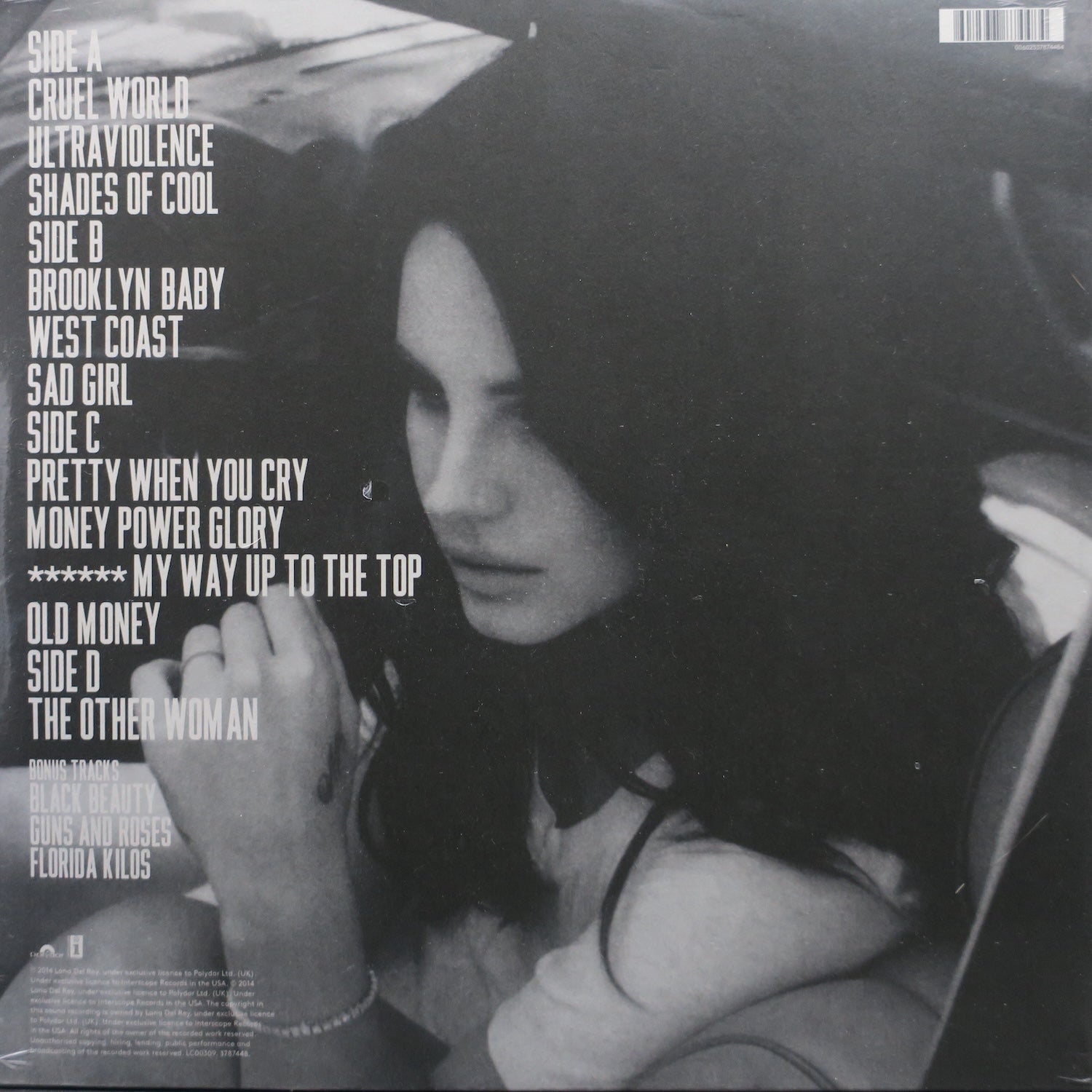
Her music matters because it changed expectations about what mainstream pop could narrate. Where many contemporaries leaned on maximalist production and hook-first songwriting, Del Rey foregrounded atmosphere and persona. Producers and co-writers like Rick Nowels and Emile Haynie helped refine that approach on Born to Die, while Dan Auerbach’s darker, guitar-forward touch shaped Ultraviolence’s more shadowed rock edge. Later collaborations with Jack Antonoff and featured turns such as The Weeknd on “Lust for Life” showed an ability to evolve production while keeping a distinctly melancholic core.
Vocally she favors restrained, breathy delivery with an old-Hollywood lilt that nods to singers such as Nancy Sinatra and torch traditions; lyrically her work traffics in nostalgia, doomed romance and American mythologizing rather than straightforward autobiography. That blend of retro signifiers and modern, intimate lyricism helped spawn a lane in alternative pop that other artists — from Lorde to Billie Eilish — would explore in their own ways, favoring mood and cinematic detail over pure immediacy.
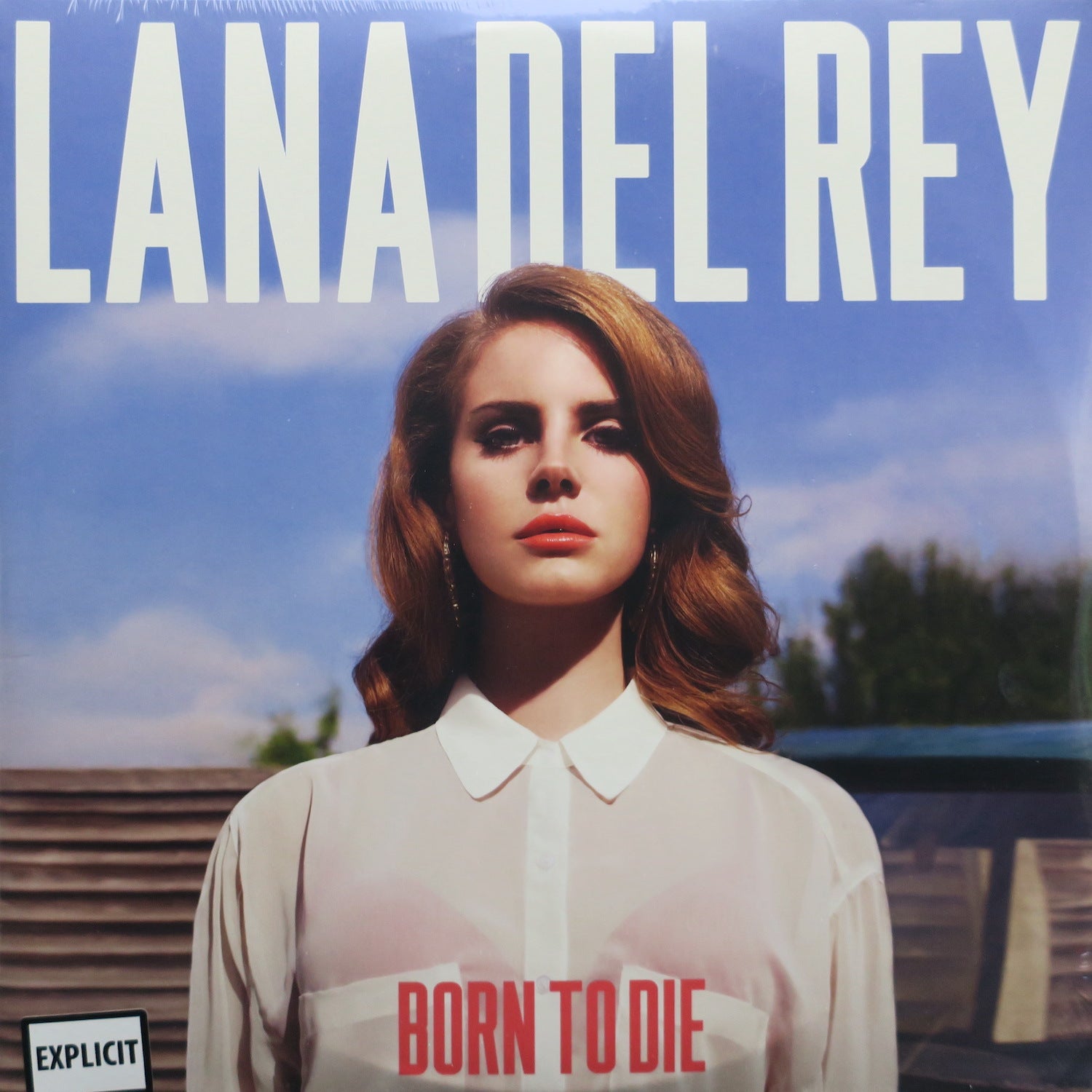
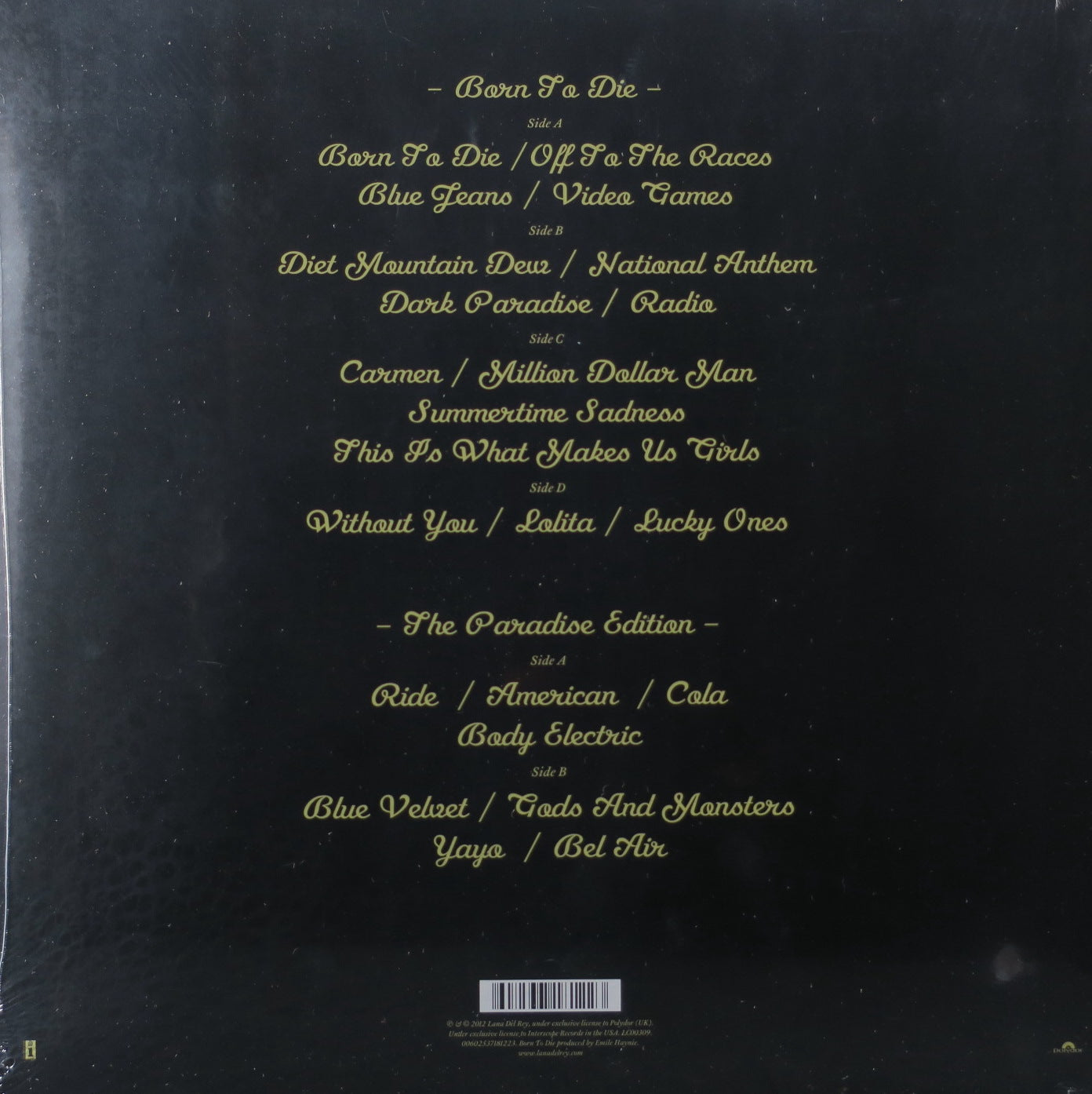
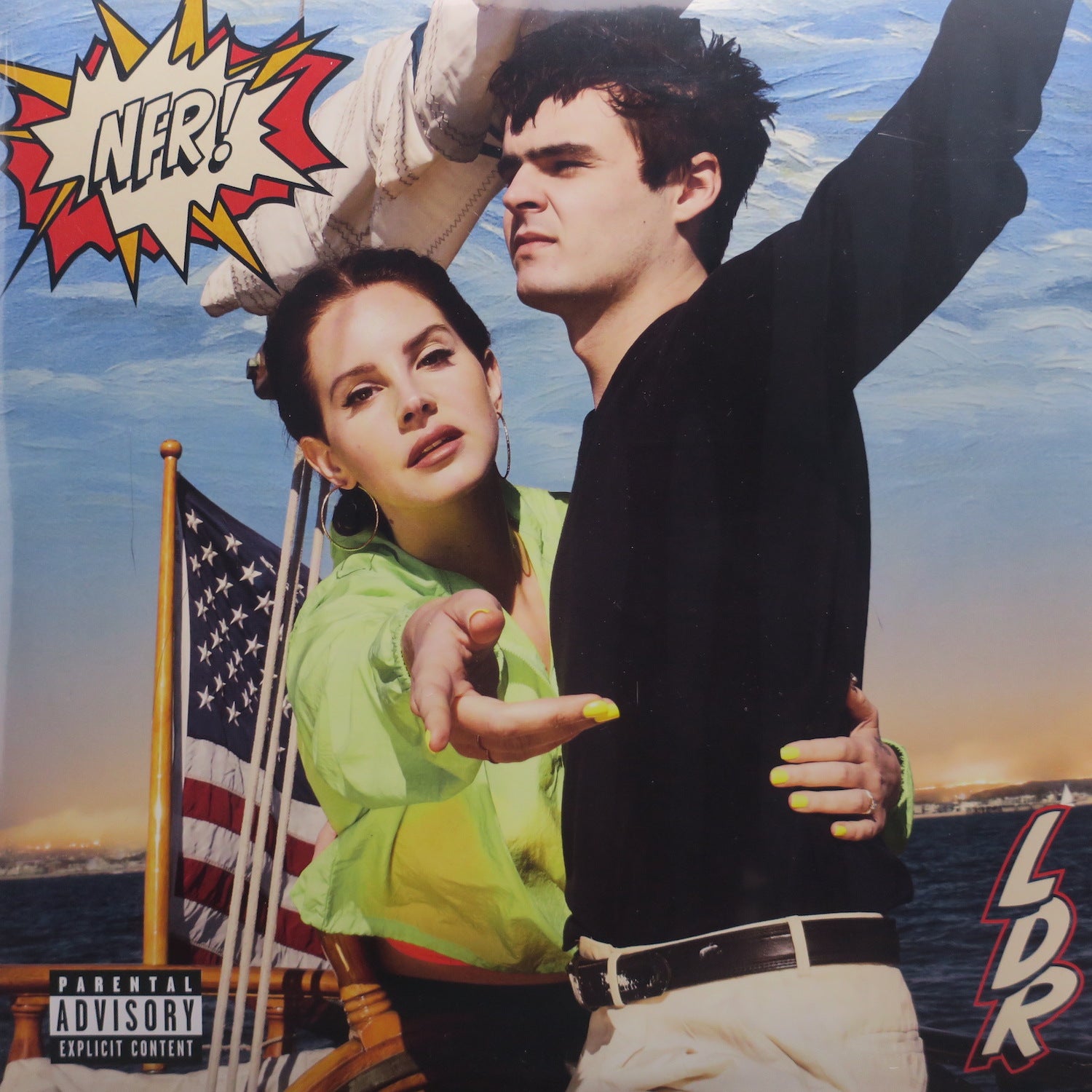
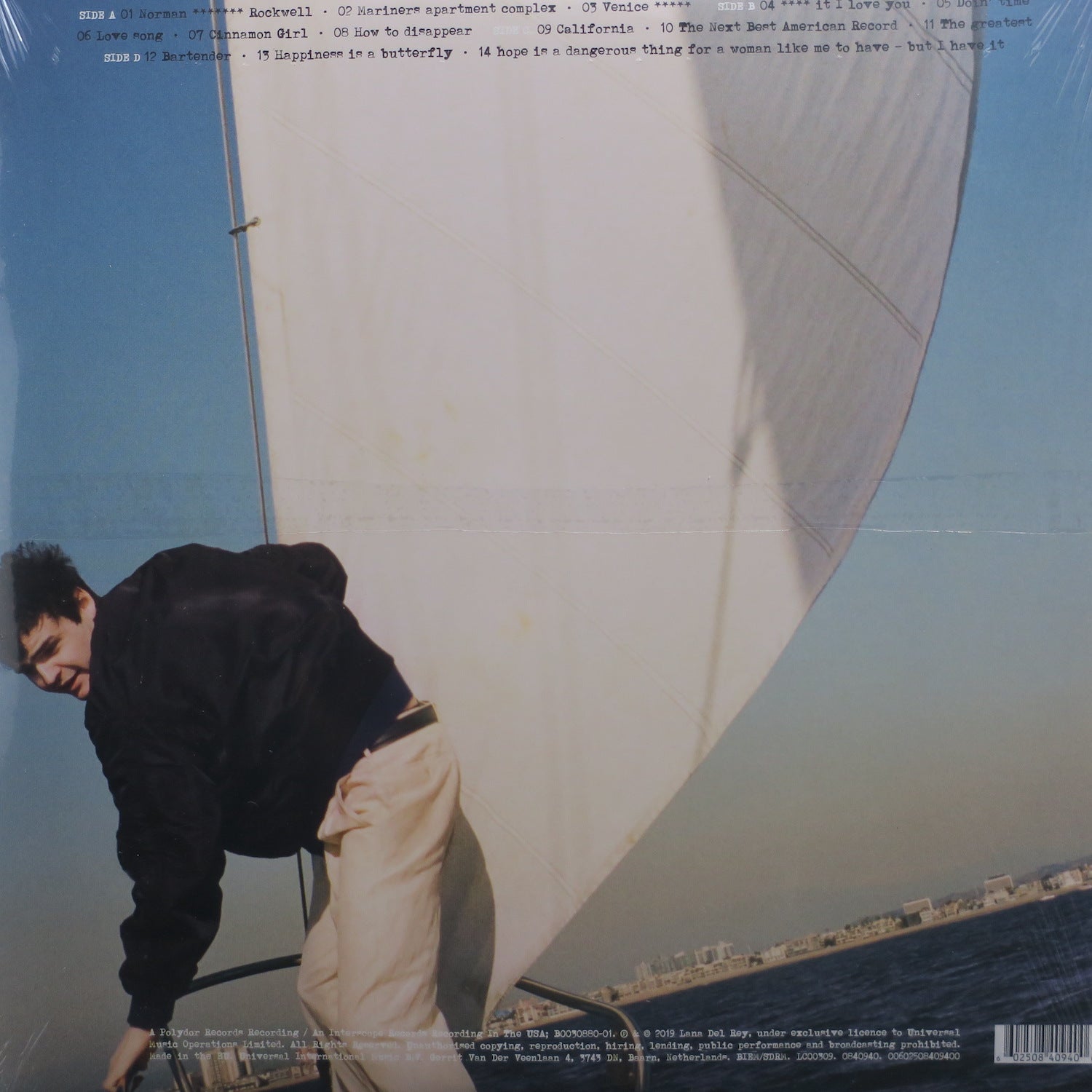
Key albums mark different phases: Born to Die introduced the baroque-pop sheen; Ultraviolence leaned into noirish rock; Honeymoon and Lust for Life expanded orchestral and collaborative possibilities; Norman Fucking Rockwell! distilled songwriting maturity with spacious arrangements. Those records also highlight how recurring songwriting partners and producers shaped the project more like a rotating studio collective than a fixed band.
For listeners new to Lana Del Rey, the appeal often lies in the slow reveal: songs that reward repeated listens as details in lyric and arrangement surface. The aesthetic choices — vintage references, cinematic production, and a persona that blends glamor with vulnerability — keep the music distinct within contemporary pop. That combination explains why her records continue to be discussed and rediscovered: they offer a particular, immersive mood that feels as much like a soundtrack as a collection of songs.