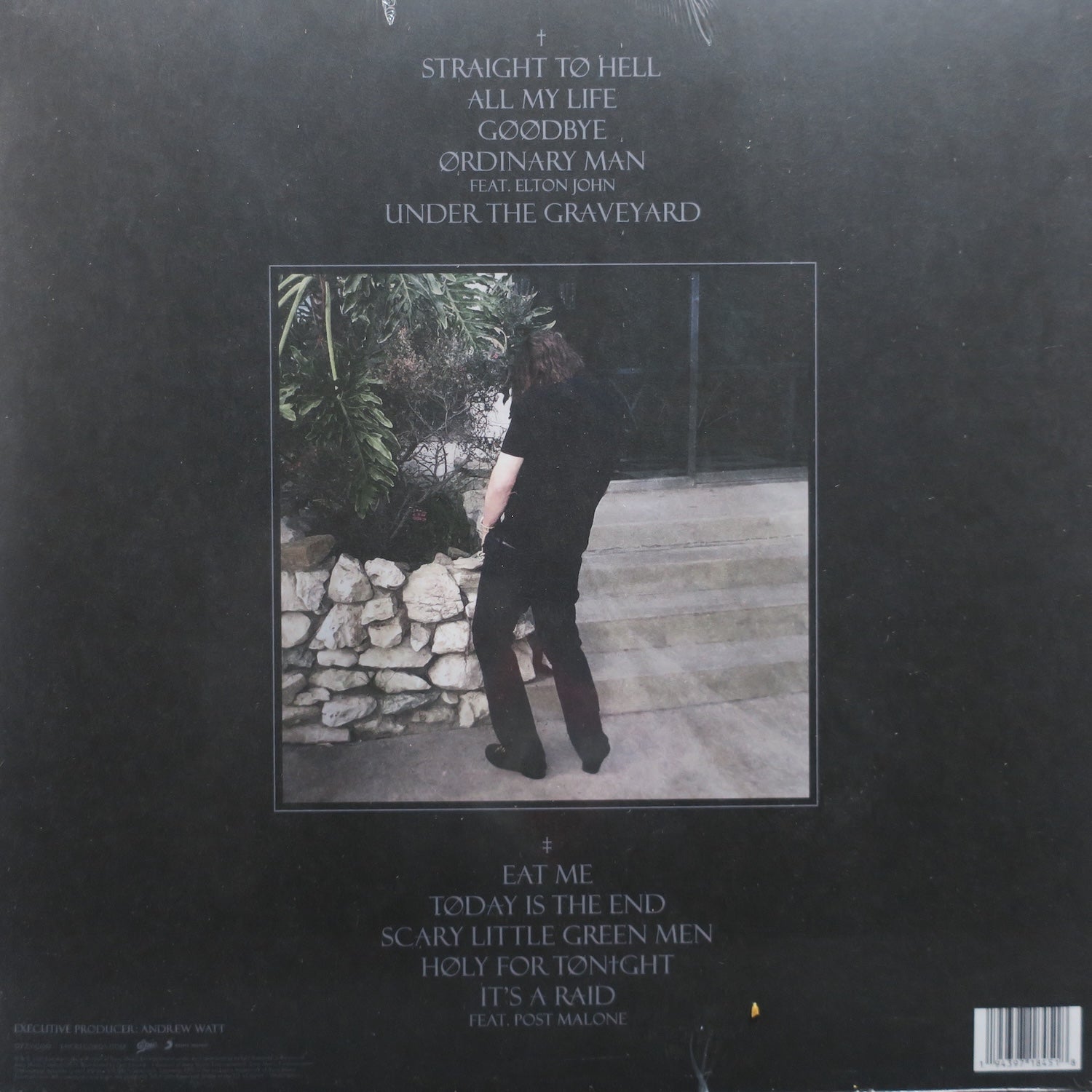
Ozzy Osbourne
Few singers have a presence that immediately signals heavy music the way Ozzy Osbourne’s voice does: a rough-hewn, melodic bark that can carry a hymn as easily as a howl. That contrast—a knack for memorable melody delivered through a uniquely ragged timbre—helped make Ozzy a focal point in metal’s move from blues-based hard rock to something heavier and more theatrical.
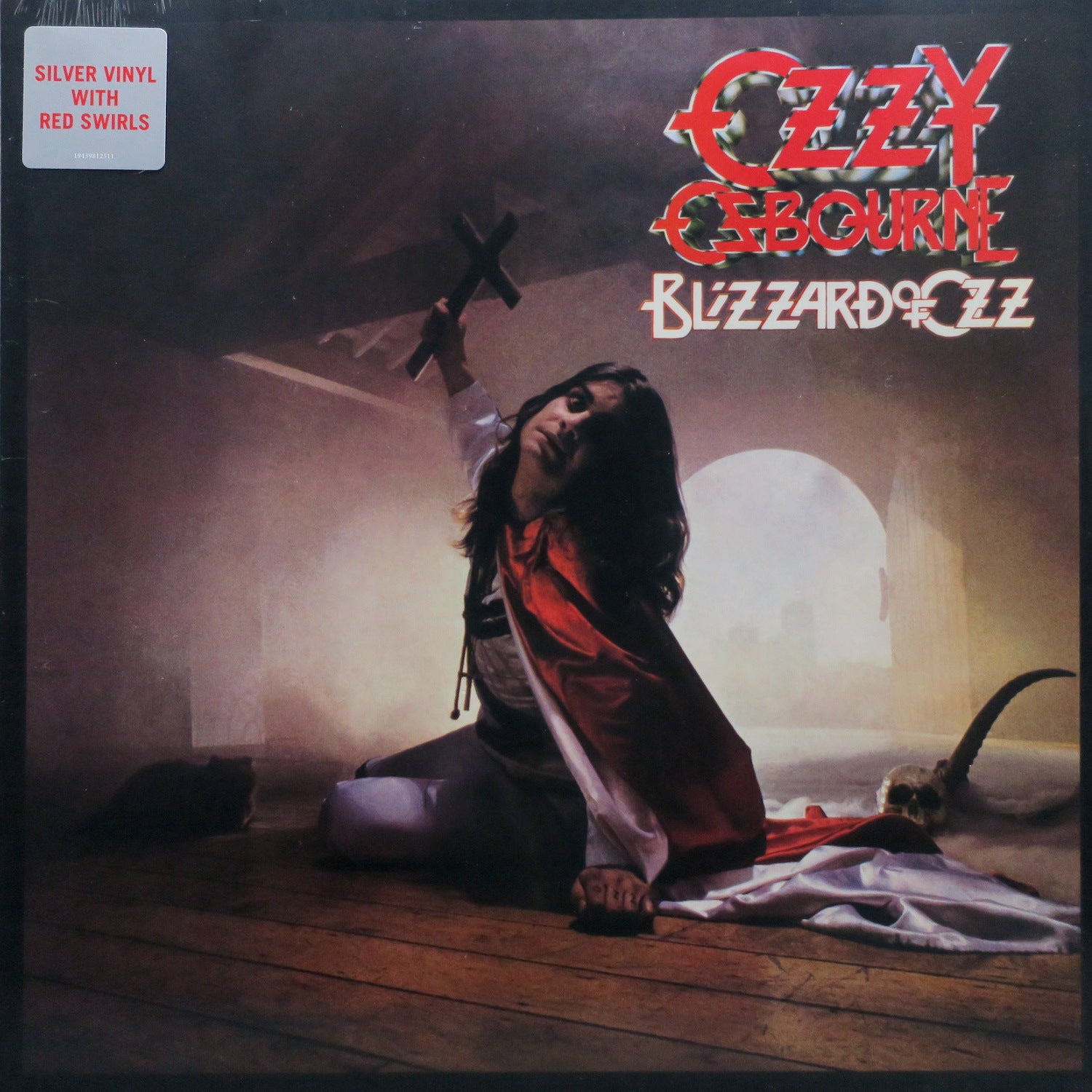
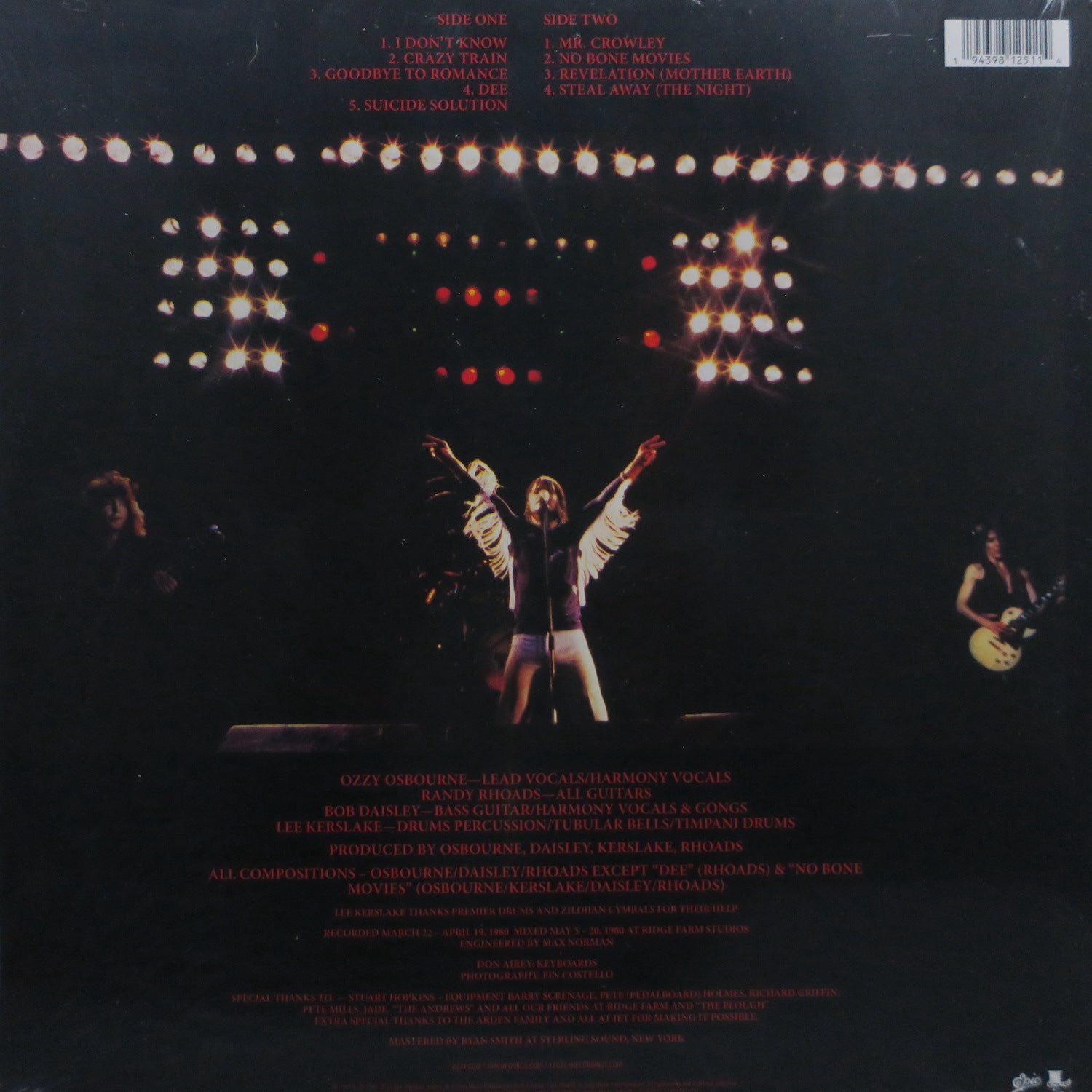
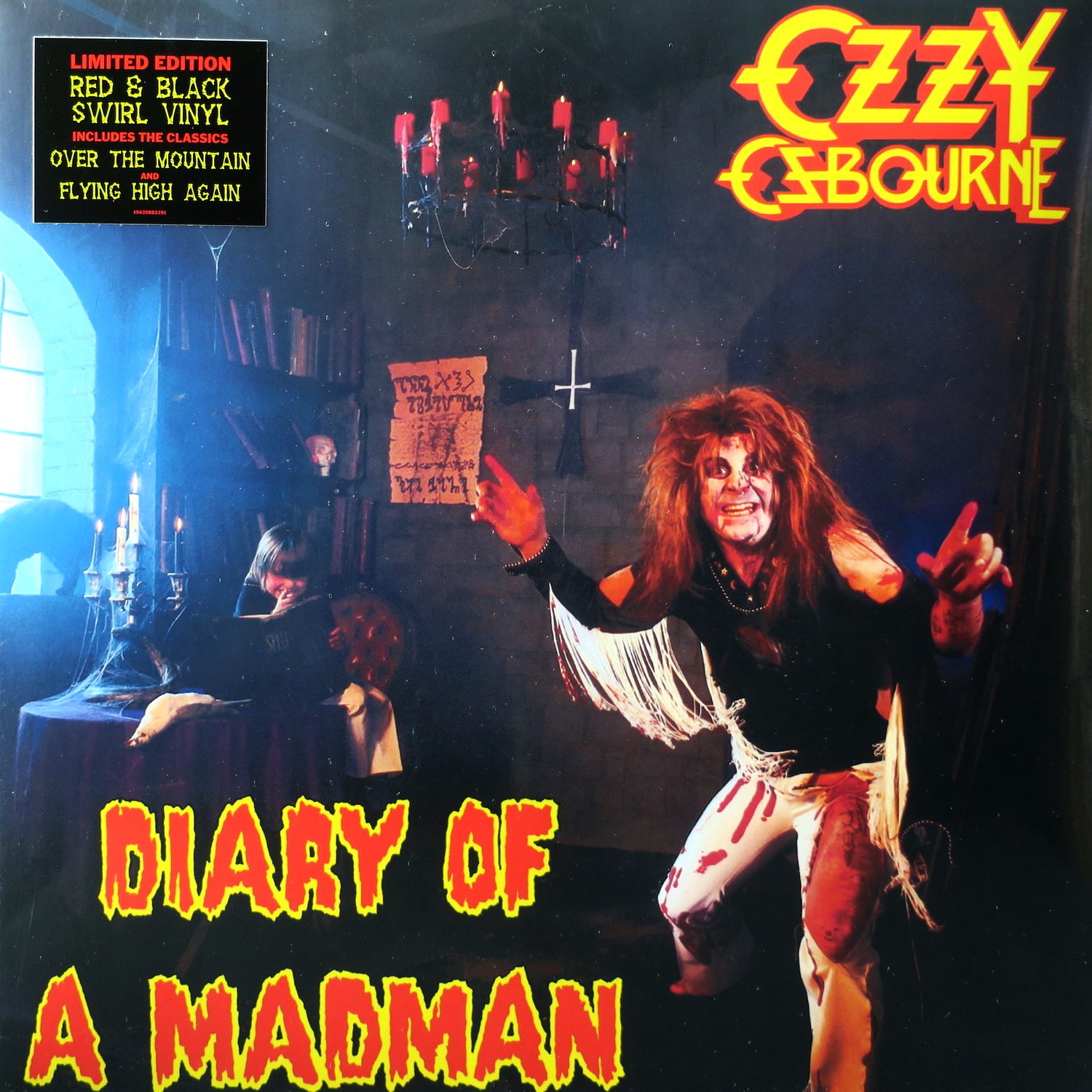
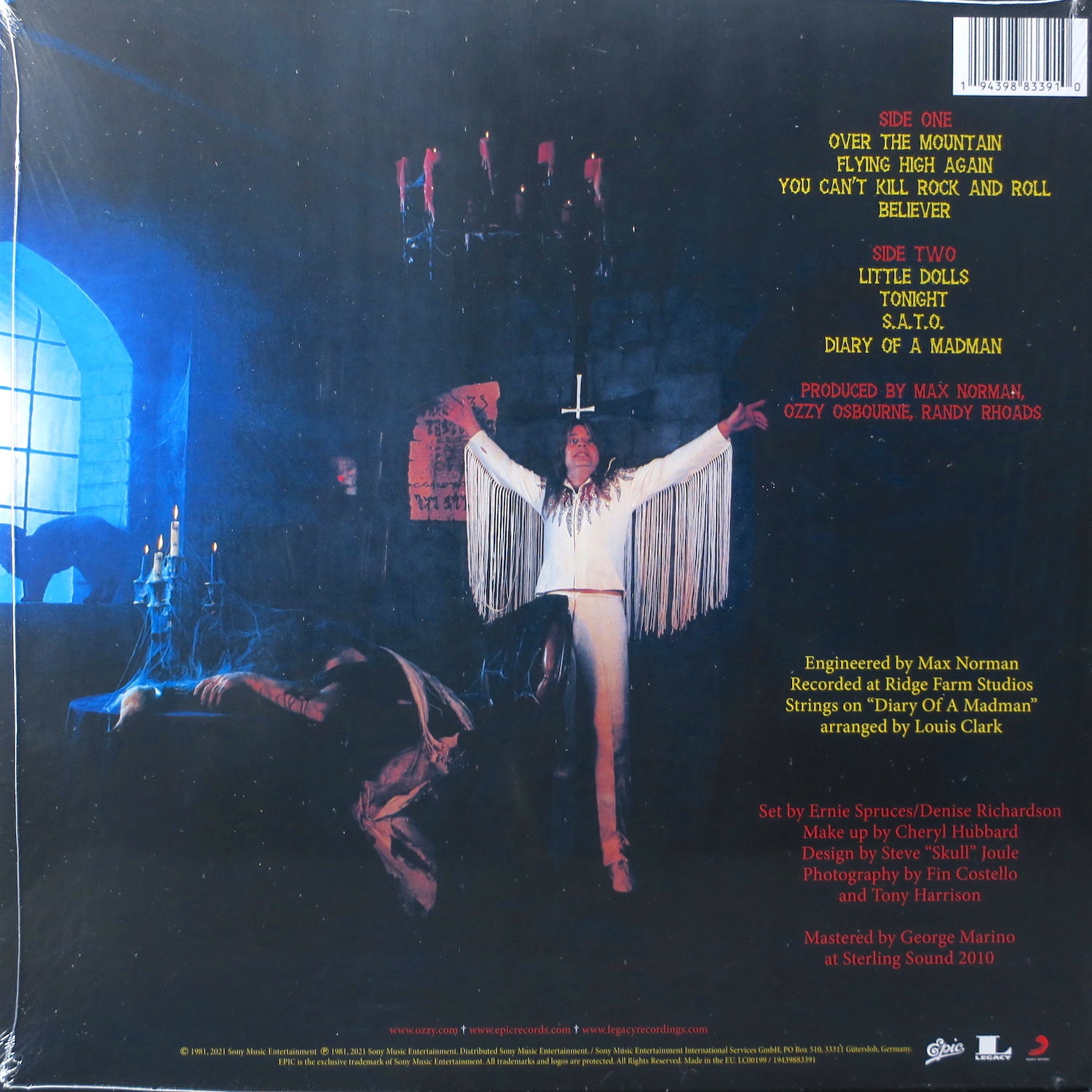
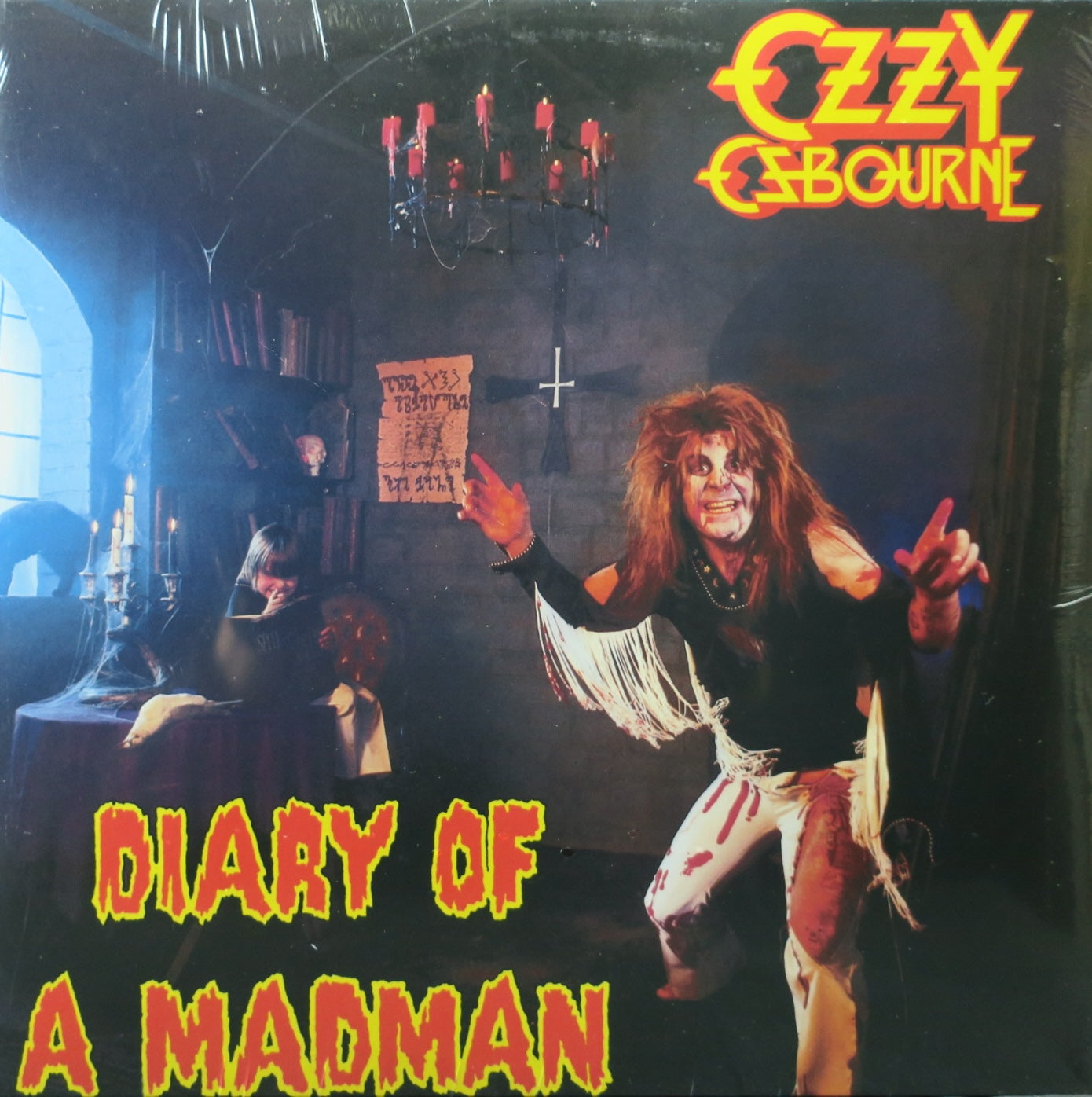
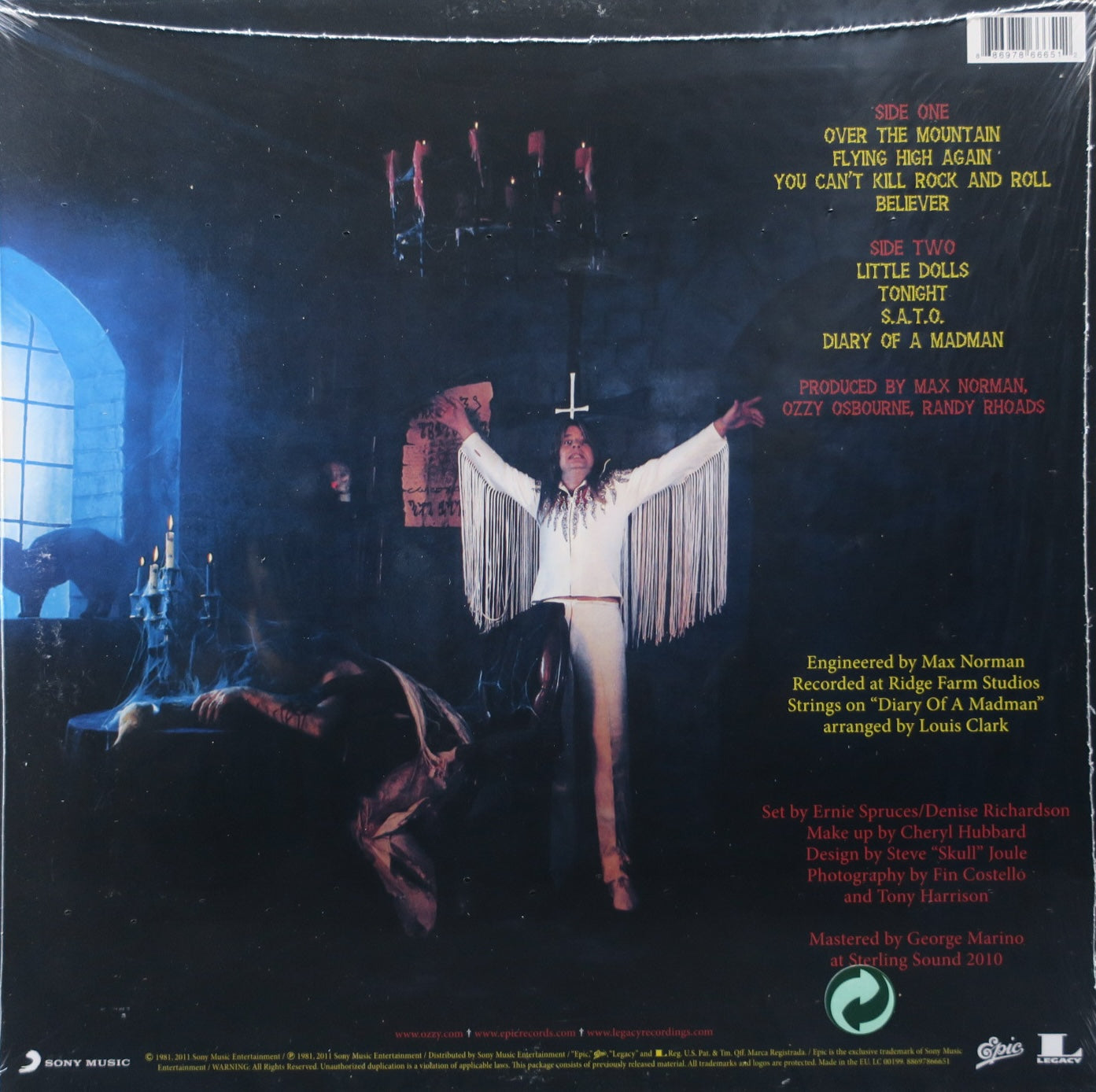
Ozzy’s career is inseparable from two chapters: his time as the lead singer of Black Sabbath and his solo work that began in 1980. The solo albums Blizzard of Ozz and Diary of a Madman introduced a new partnership between Osbourne’s vocal personality and the virtuosic guitar work of Randy Rhoads; those records rewired expectations for metal songcraft by combining classical-tinged leads with concise, anthem-ready hooks. Producer Max Norman’s clear, punchy production on those early albums also gave the songs a heft that translated well to vinyl and live performance.
The 1980s and 1990s saw Ozzy reshape his band lineup while keeping a recognizable core: muscular riffs, choruses that stick, and theatrical stagecraft. Zakk Wylde’s arrival brought a different guitar voice—thicker, pinch-harmonic solos and southern-tinged riffing—that propelled albums such as No More Tears. Those periods illustrate how Ozzy’s records often change shape with each major guitarist, yet retain a central personality anchored by his delivery and lyrical themes of darkness, surrealism and personal turmoil.
Beyond personnel, Ozzy matters because of the bridge he formed between generations. Early heavy acts and later thrash bands alike pointed to Sabbath-era aggression and Ozzy’s vocal phrasing as touchstones. At the same time, his solo catalog produced radio-friendly singles and ballads that widened metal’s audience without fully abandoning its raw edges.
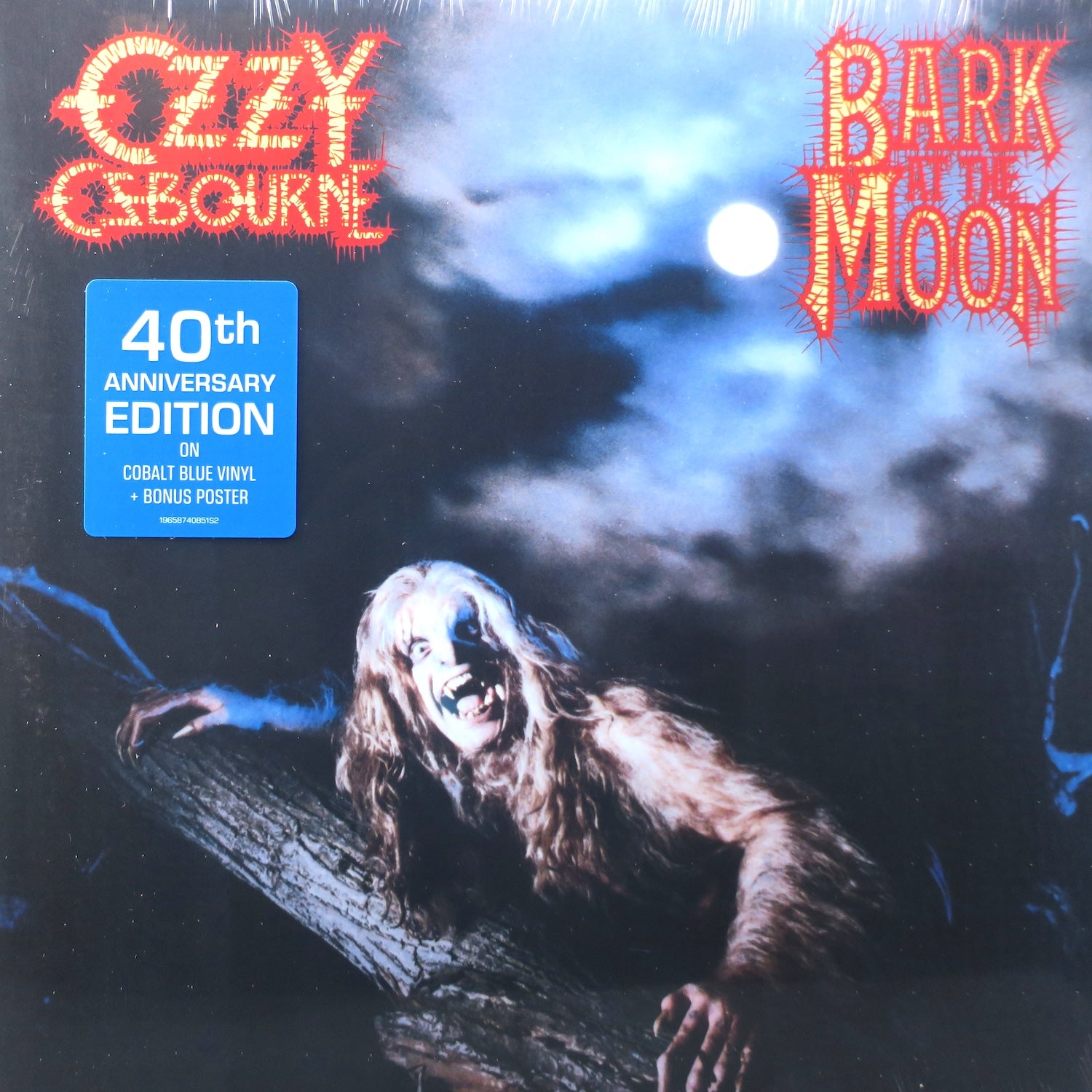
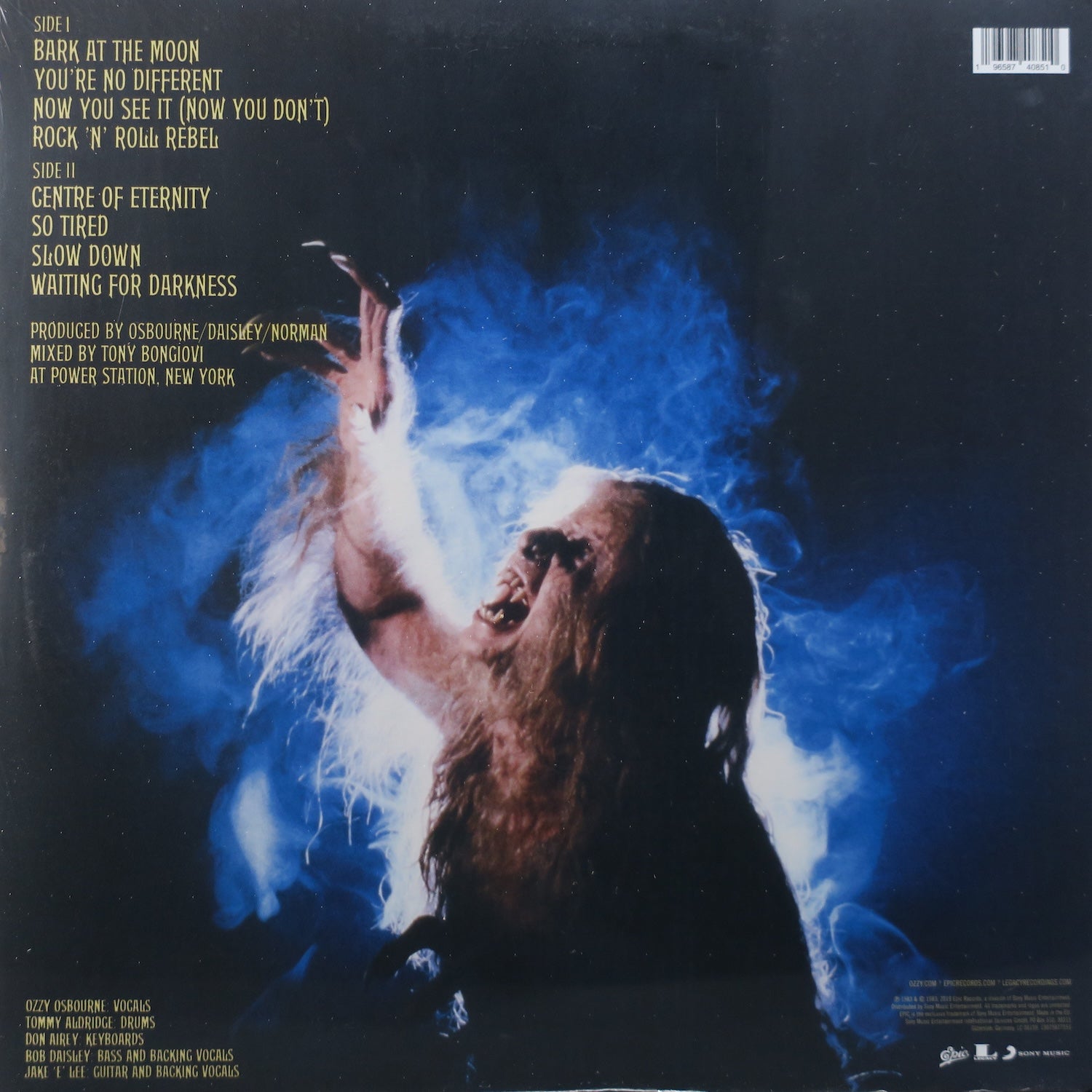
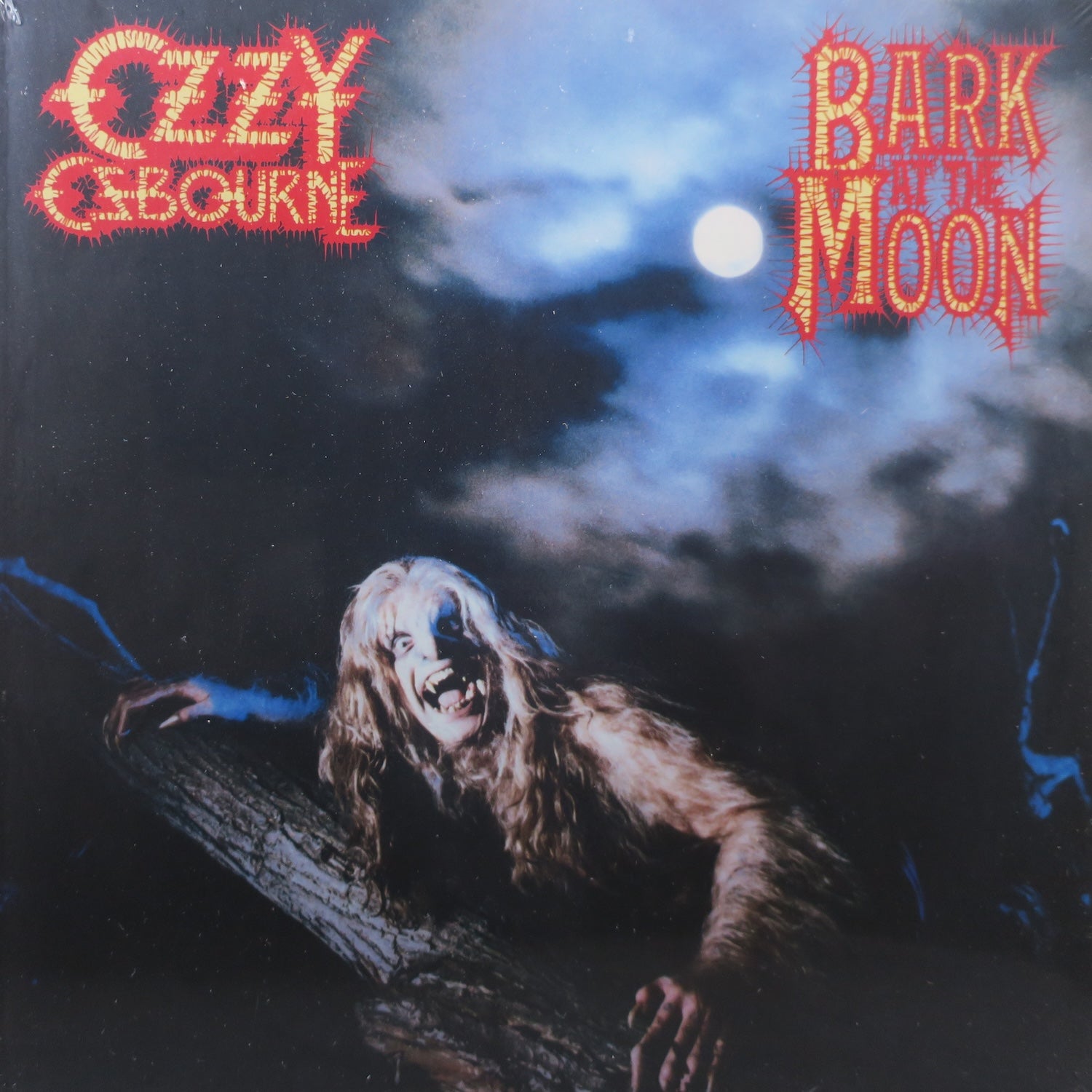
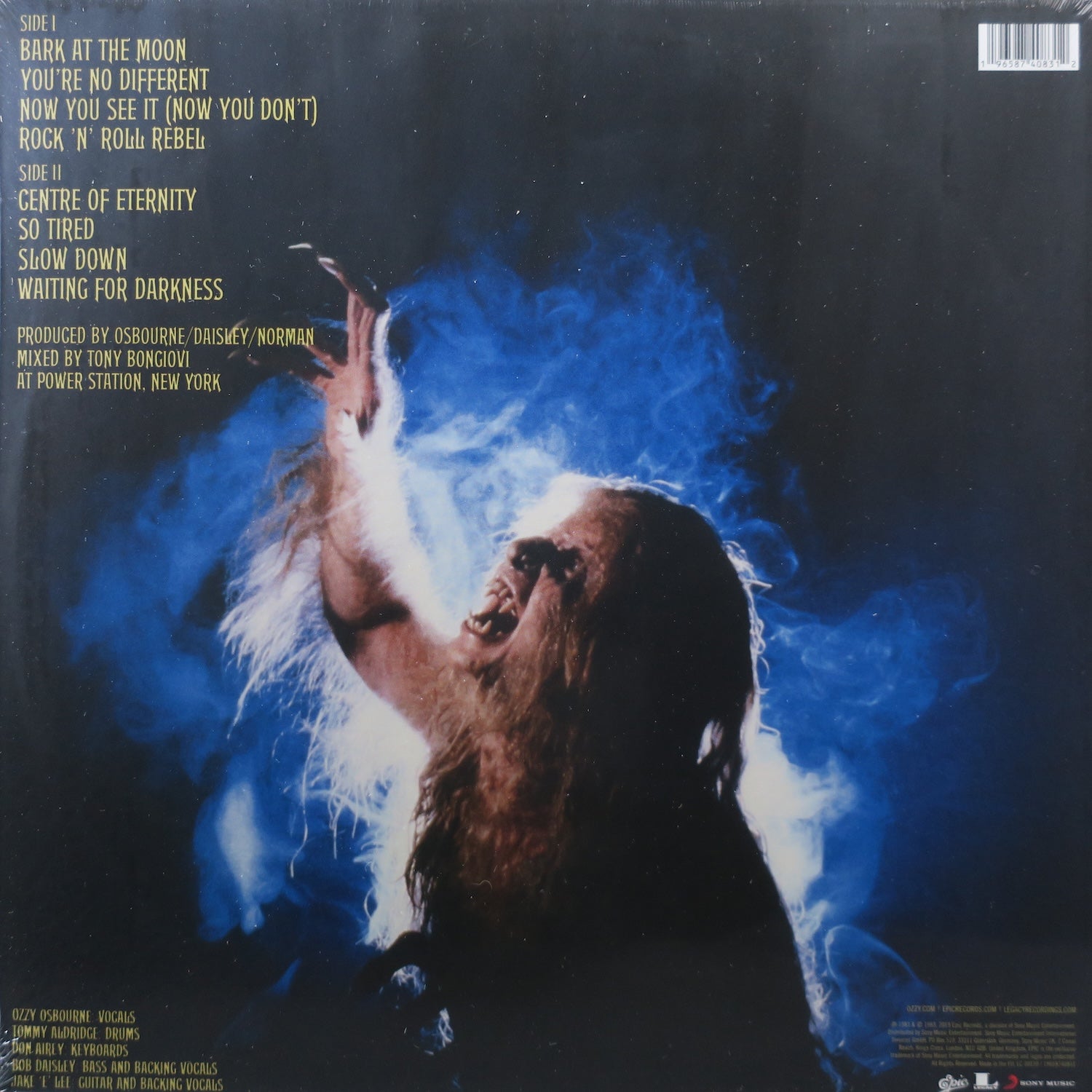
Approaching Ozzy’s catalog is best done in pieces: start with Blizzard of Ozz to hear the Randy Rhoads era; move to Diary of a Madman for its extended arrangements; then sample Bark at the Moon and No More Tears to follow the shifts in production and guitar voices. Those albums trace why his solo work remains compelling on vinyl: songs that balance immediate groove with soloing and atmosphere.
Even decades into a long career, Ozzy’s records continue to matter as documents of change—personal, musical and cultural—showing how a singular voice can adapt and persist while leaving a clear imprint on the sound of heavy music.