Black Angels
The Black Angels built a modern bridge to 1960s psychedelia by leaning into droning organ, rattling percussion and haunted, reverb-drenched vocals — not nostalgia, but a distilled, heavier reimagining of that sound. Their breakthrough single "Young Men Dead" turns a simple minor-key hook into a slow-motion chant that reveals why the band became a touchstone for 21st-century psych rock.
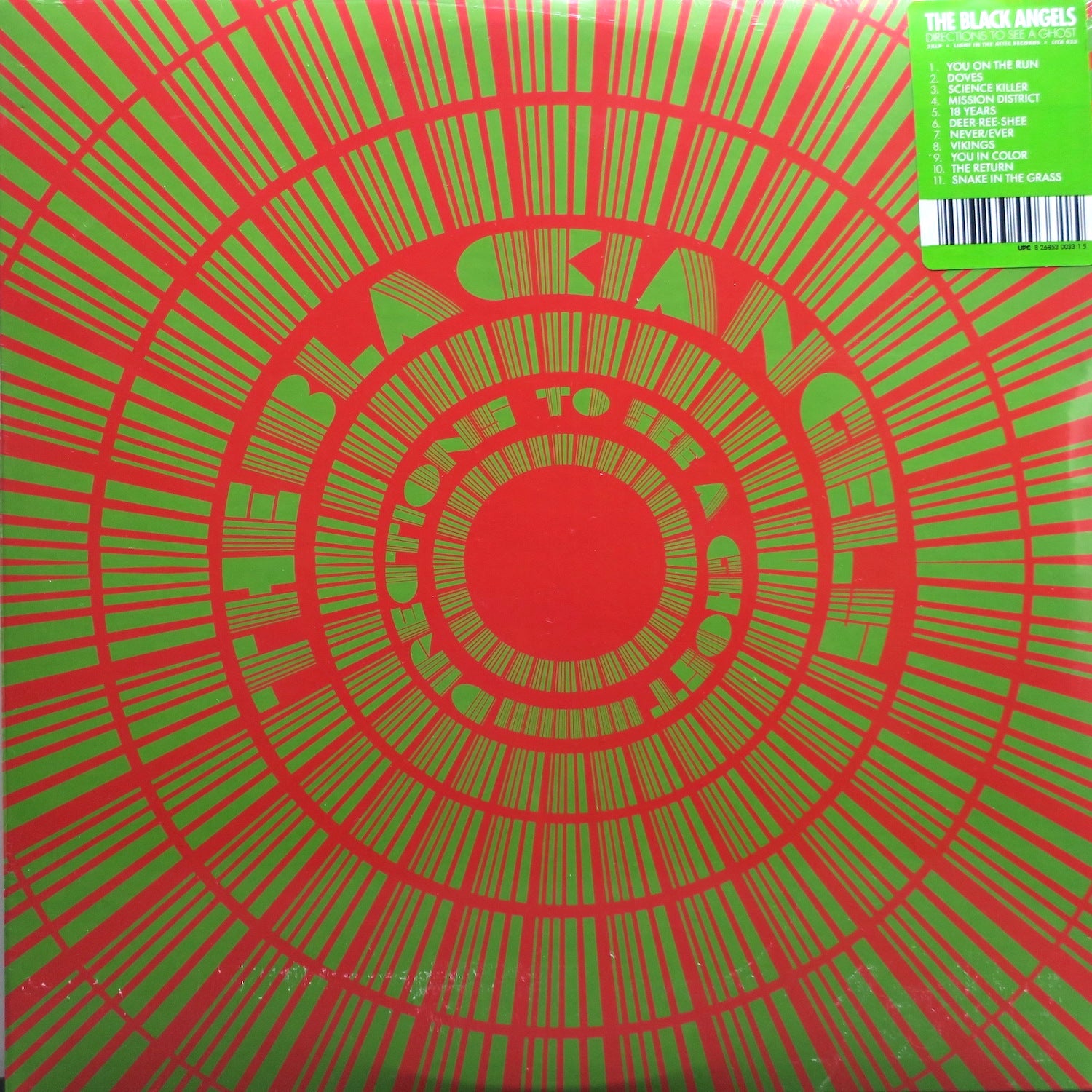
From the debut Passover through Directions to See a Ghost and Phosphene Dream, the group sharpened an aesthetic that favors repetition, feedback and binary rhythms: songs feel like locked-in rituals rather than conventional verse-chorus pop. That approach connects them to the Velvet Underground explicitly — the band's name nods to the Velvet Underground's "The Black Angel's Death Song" — and to later acts who turned drone and texture into a language of their own.
Austin is the obvious hometown context: the Black Angels arrived amid a revival of interest in Texas psychedelia and created a high-visibility outlet for the city’s psych scene. Alex Maas's baritone lead and Christian Bland's serpentine guitar work form the group's core, and their interplay—bass/voice anchored by guitar and organ—keeps the songs focused even as walls of sound build and collapse.
Listeners who like the minimalist pulse and hypnotic repetition of Spacemen 3 or the murky, feedback-heavy shoegaze of the Jesus and Mary Chain will find a direct line to the Black Angels. Similarly, bands such as The Brian Jonestown Massacre share a communal affection for vintage tones and sprawling arrangements, which helps explain why the Black Angels often appear alongside those acts on festival bills and compilations.
Beyond specific influences, the Black Angels helped popularize a contemporary psych template: taut, existential songs that sound equally at home in a late-night club or on a vinyl turntable at home. For newcomers, start with Passover and Directions to See a Ghost, then trace how Phosphene Dream and Indigo Meadow broaden the palette. The result is a band that makes the past feel immediate and slightly dangerous again.