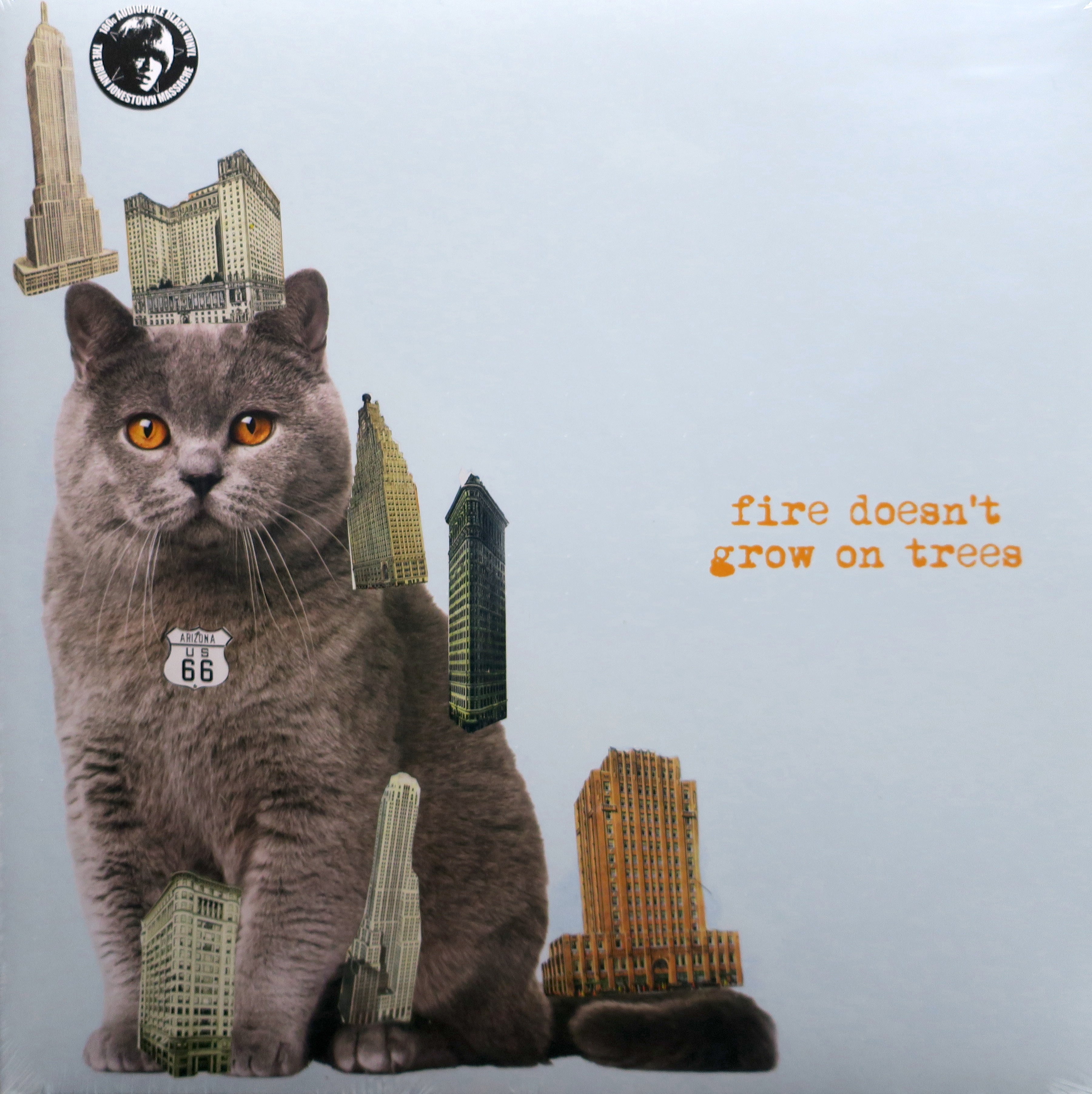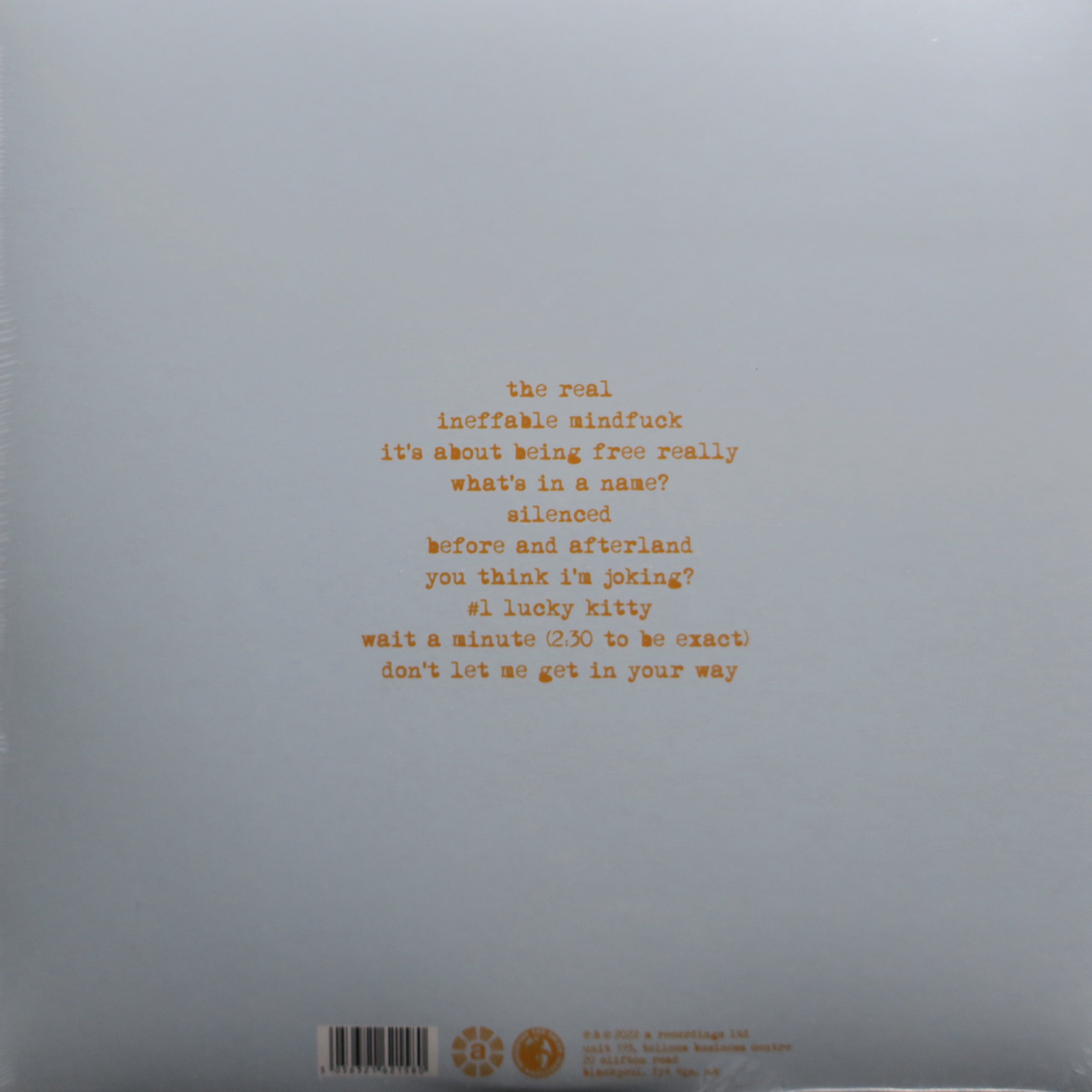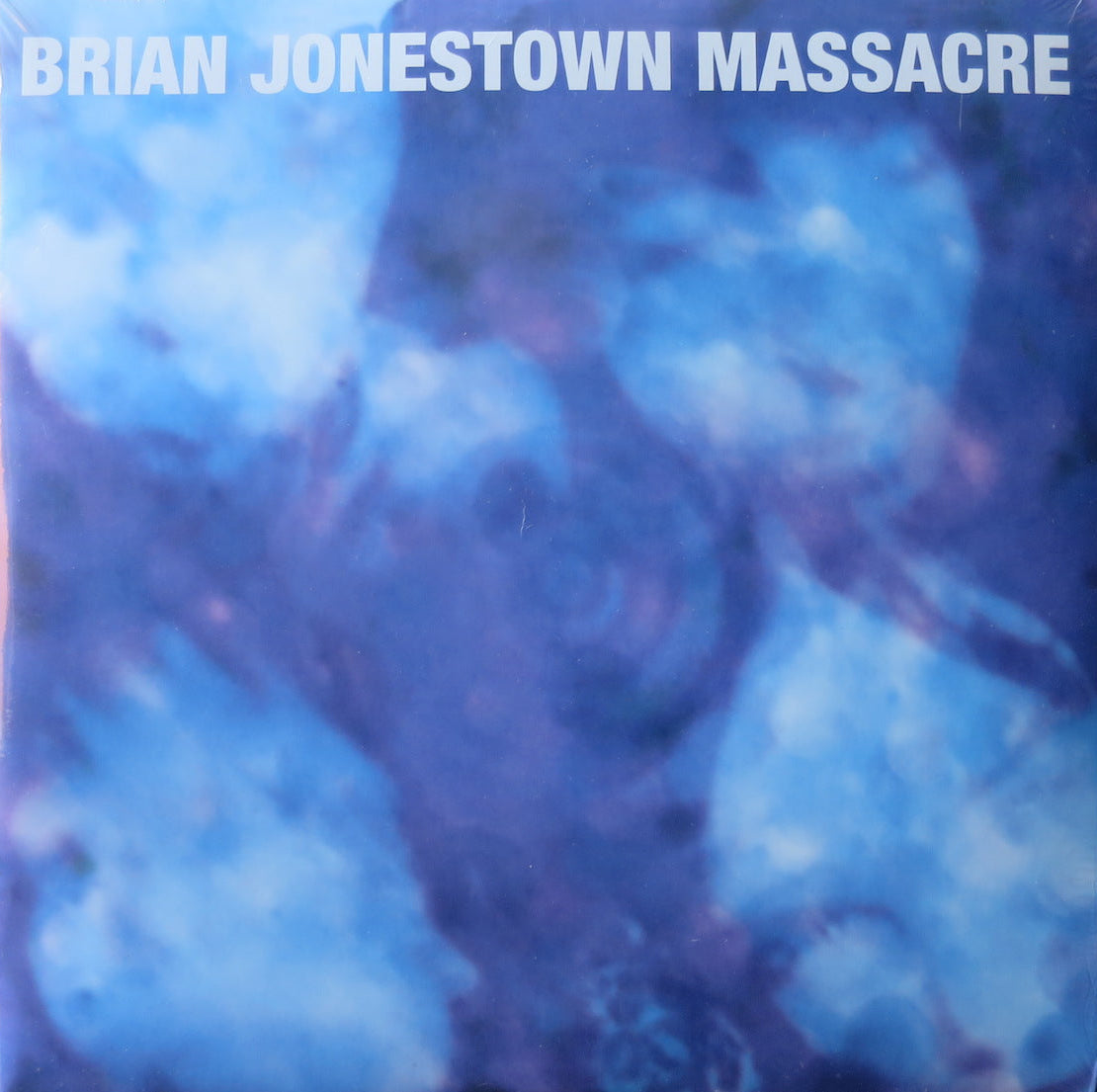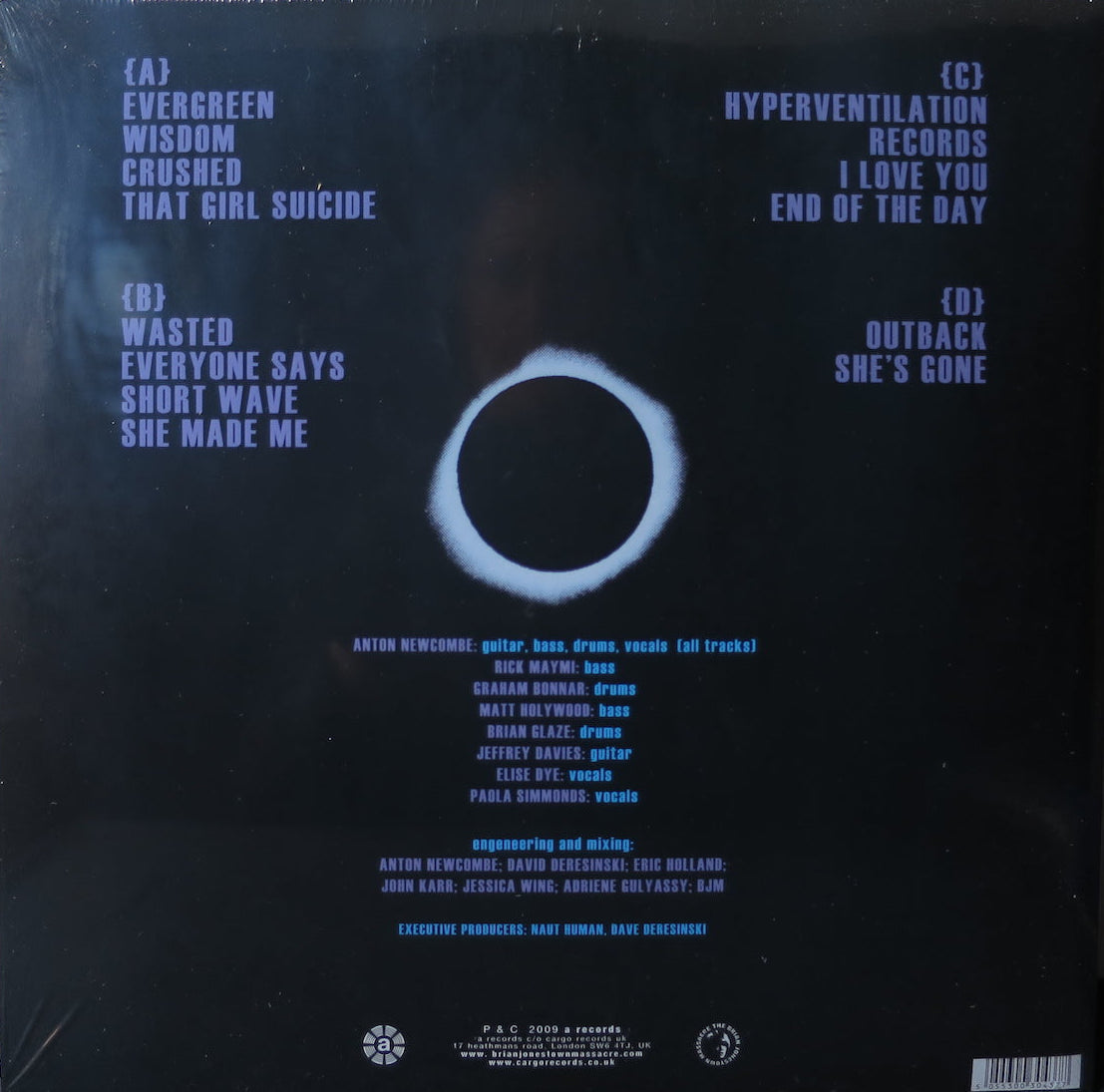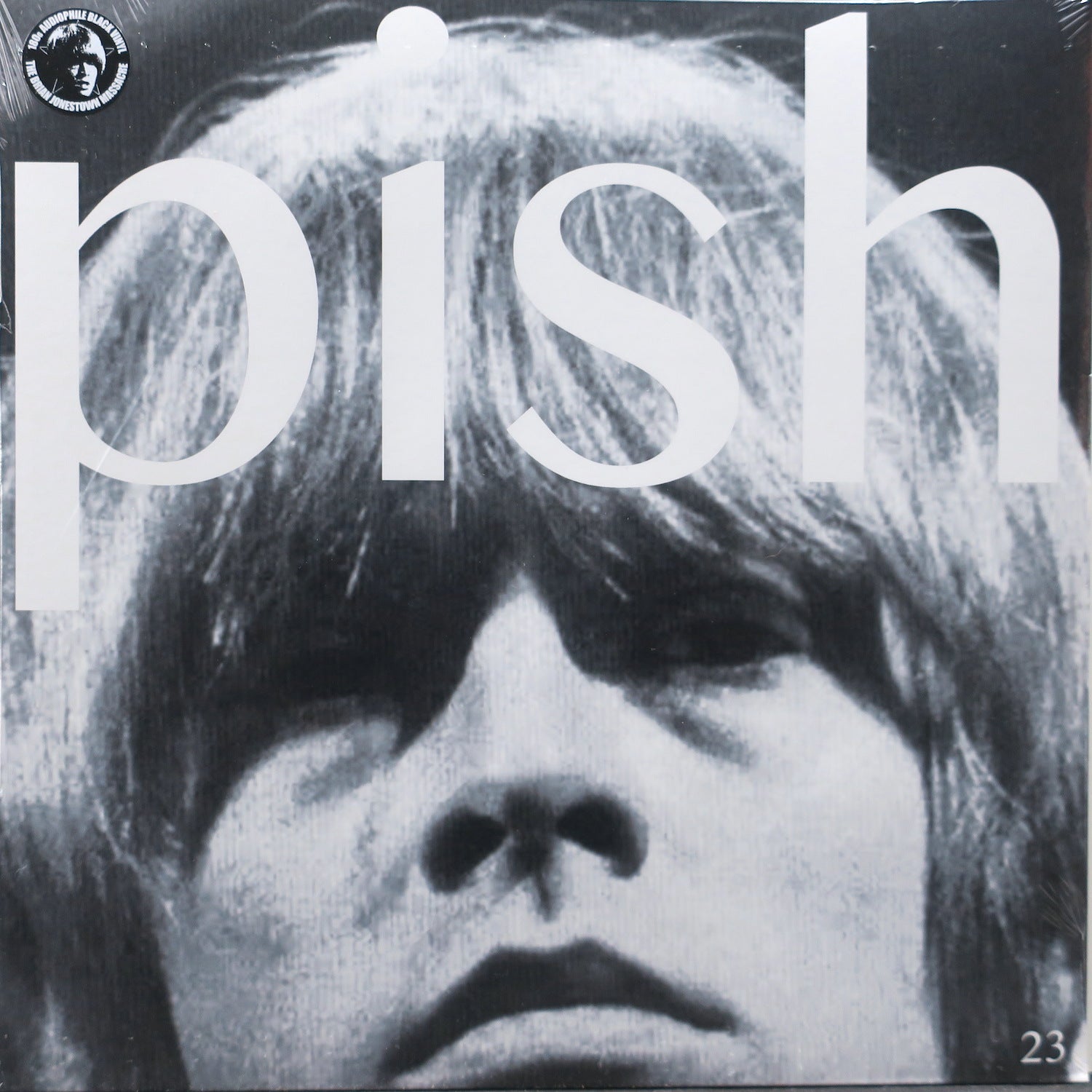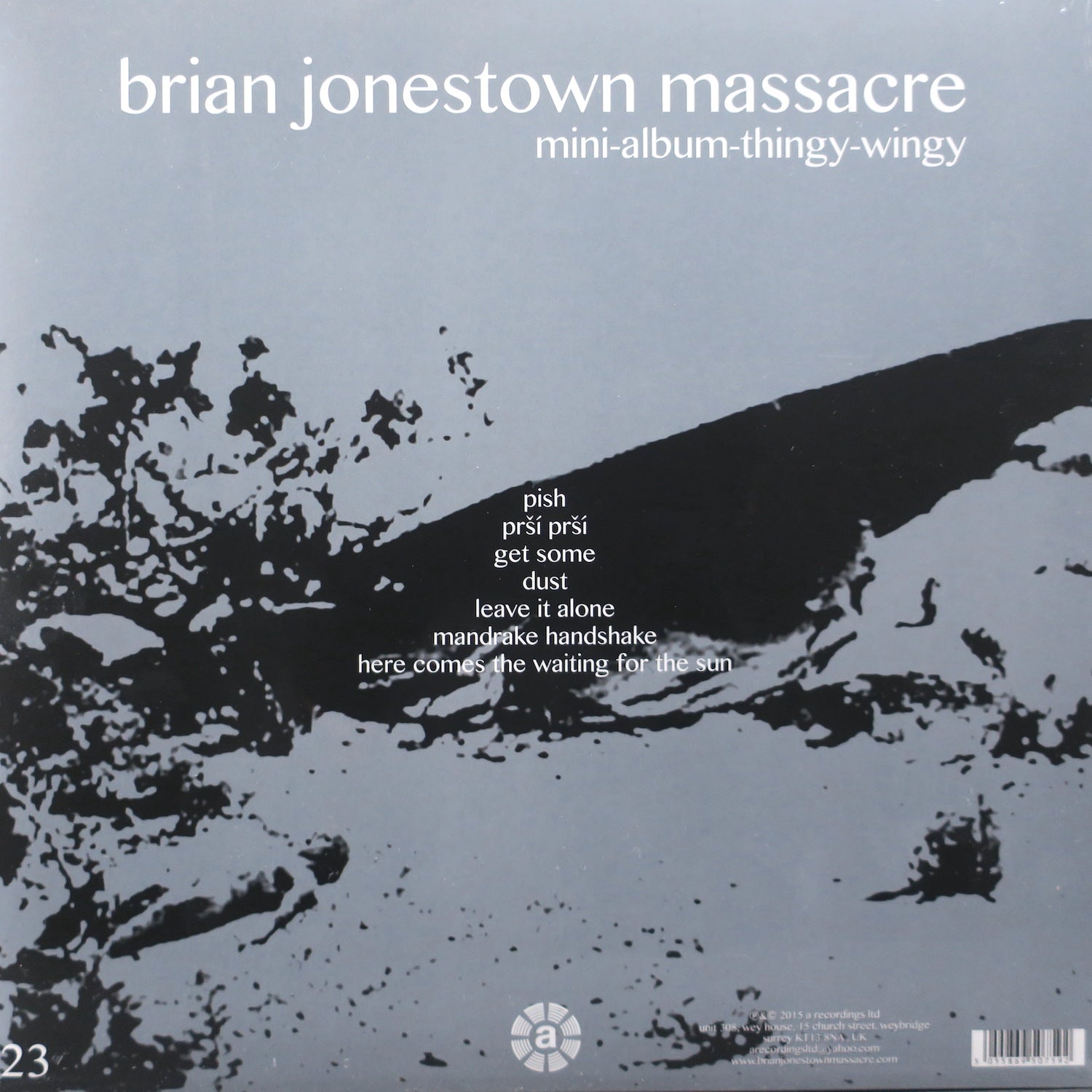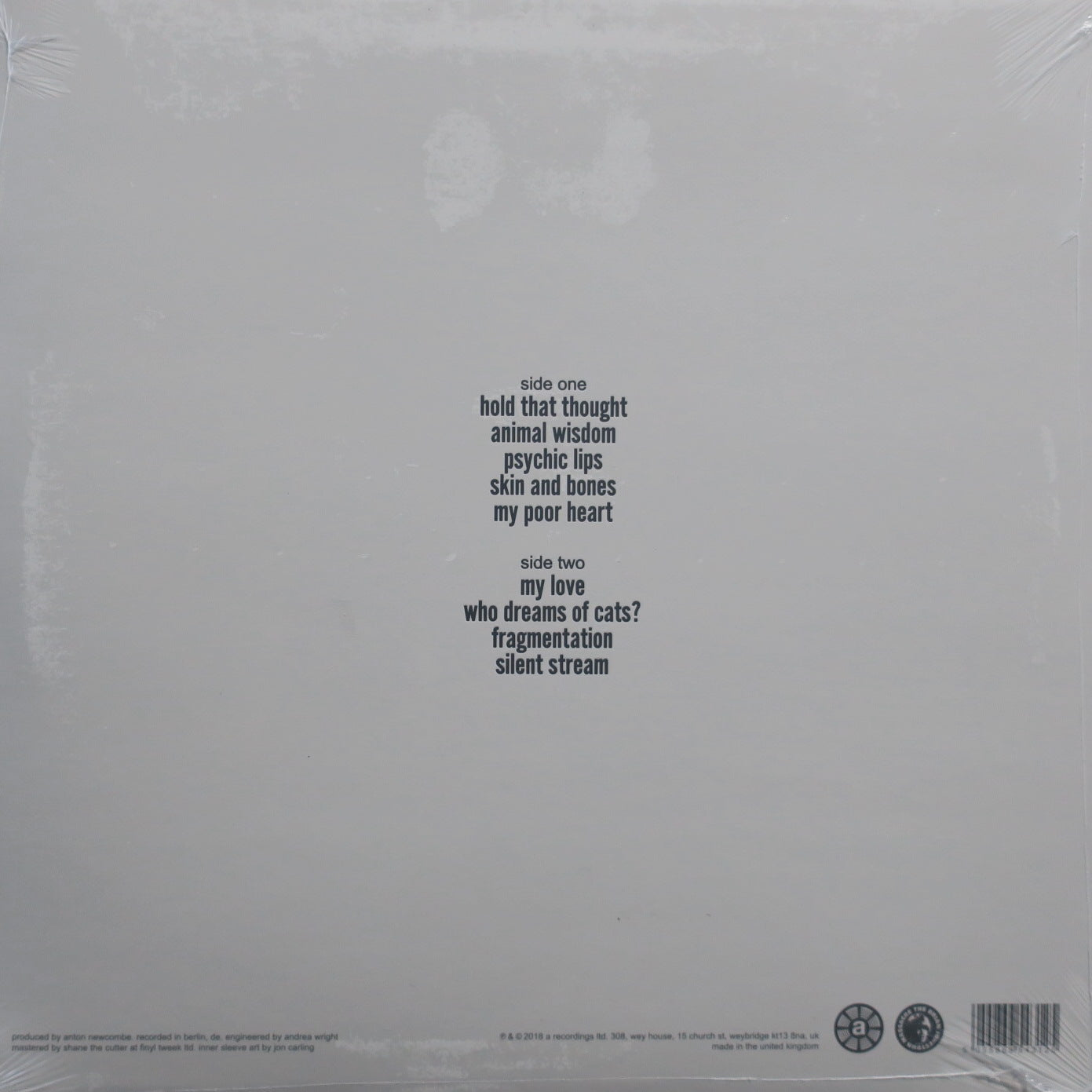
Brian Jonestown Massacre
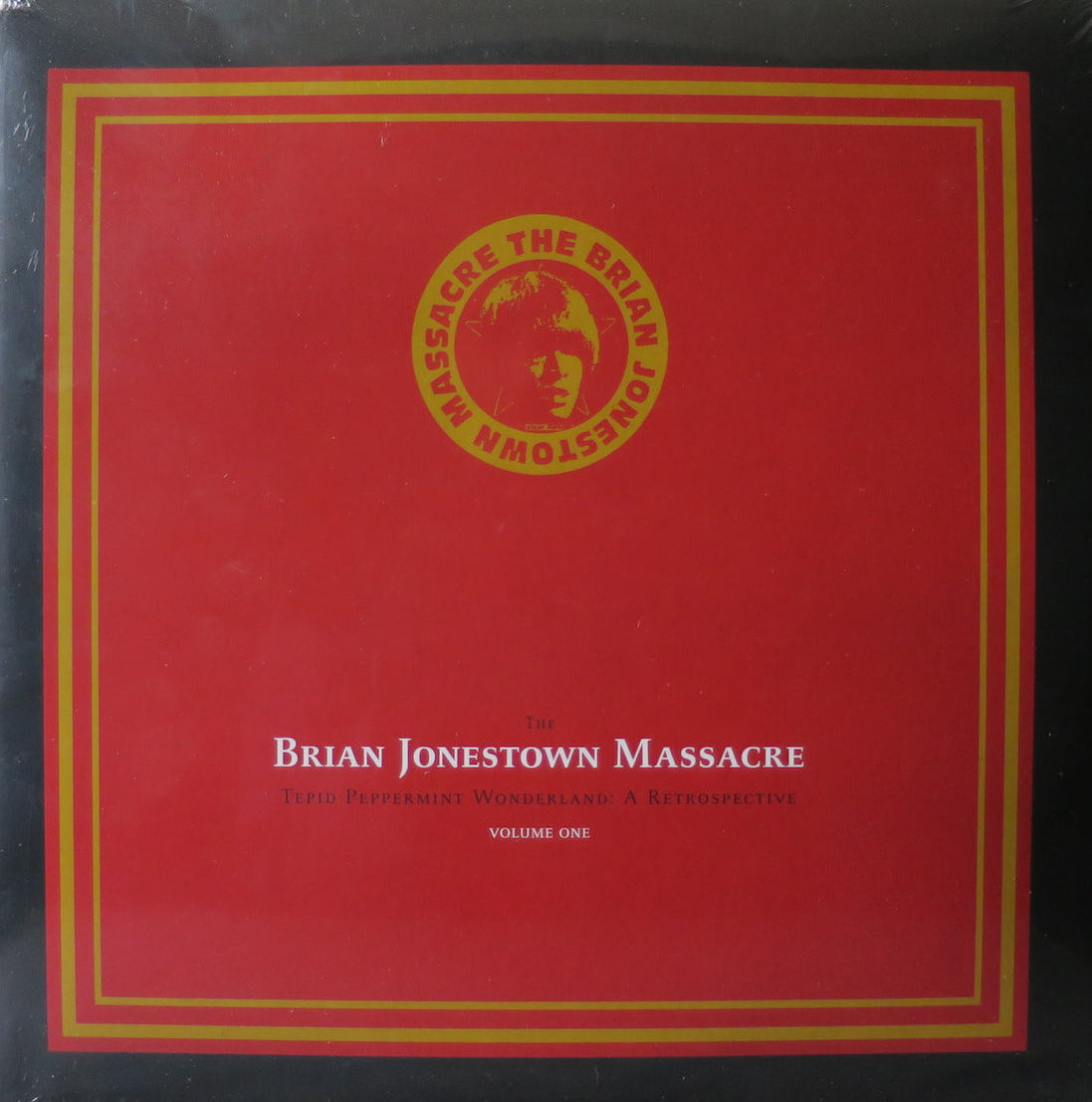
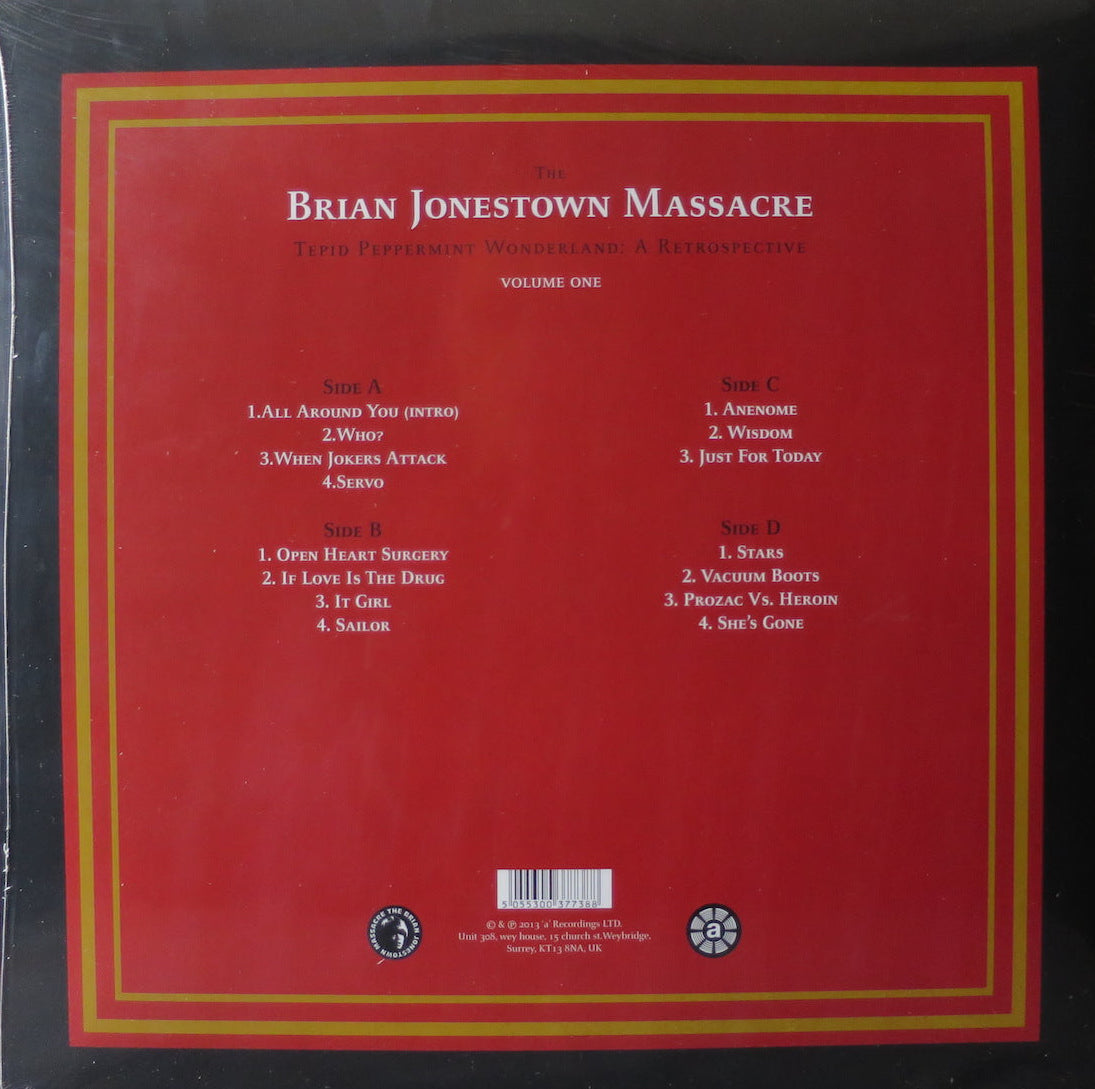
Brian Jonestown Massacre is built on a deliberate contradiction: songs that sound like found relics from the 1960s delivered with a punkish DIY intensity. That tension—between ornate psychedelia and scrappy garage rock—became the band's defining move and the creative signature of Anton Newcombe, the restless songwriter, multi-instrumentalist and studio architect who steered the project through dozens of releases.
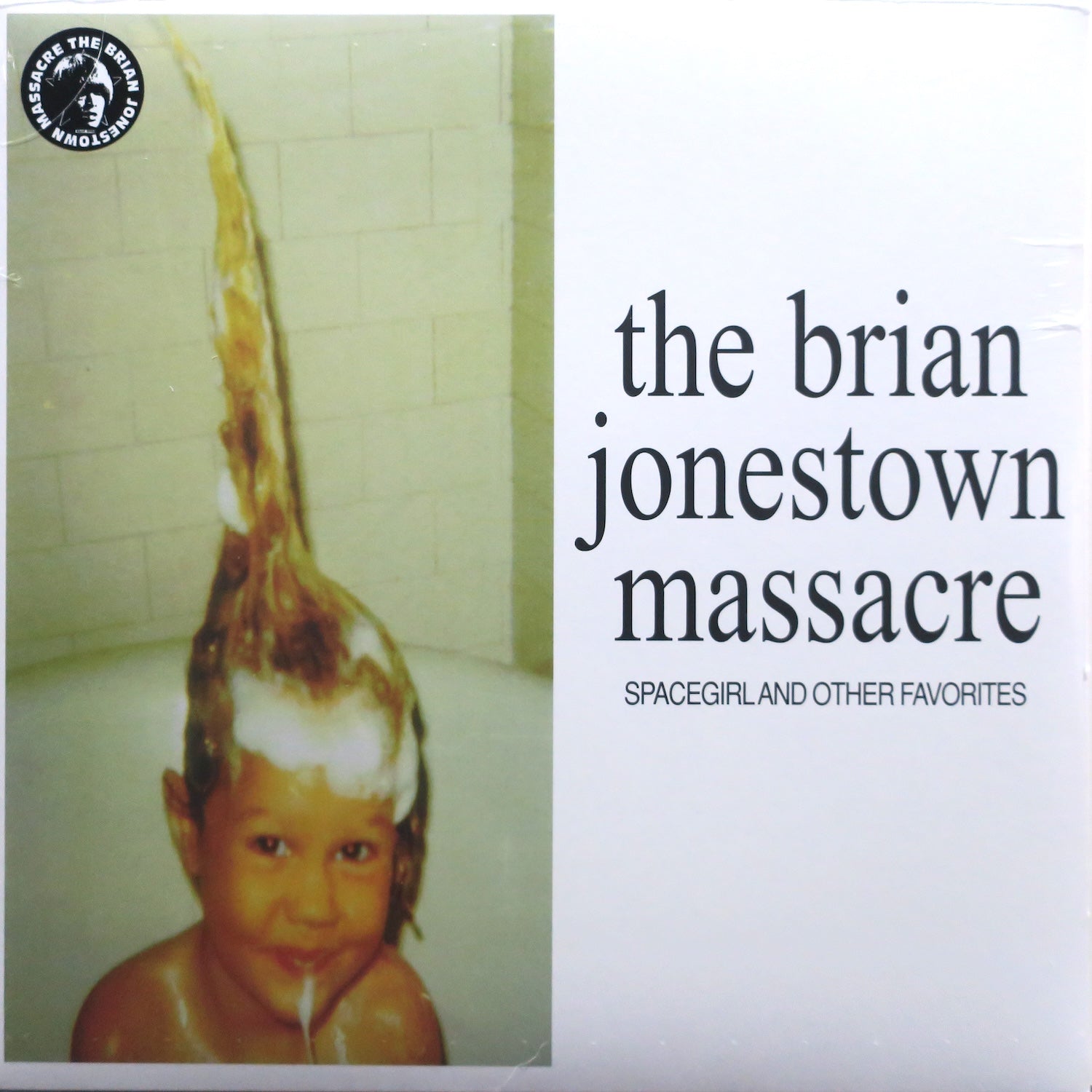
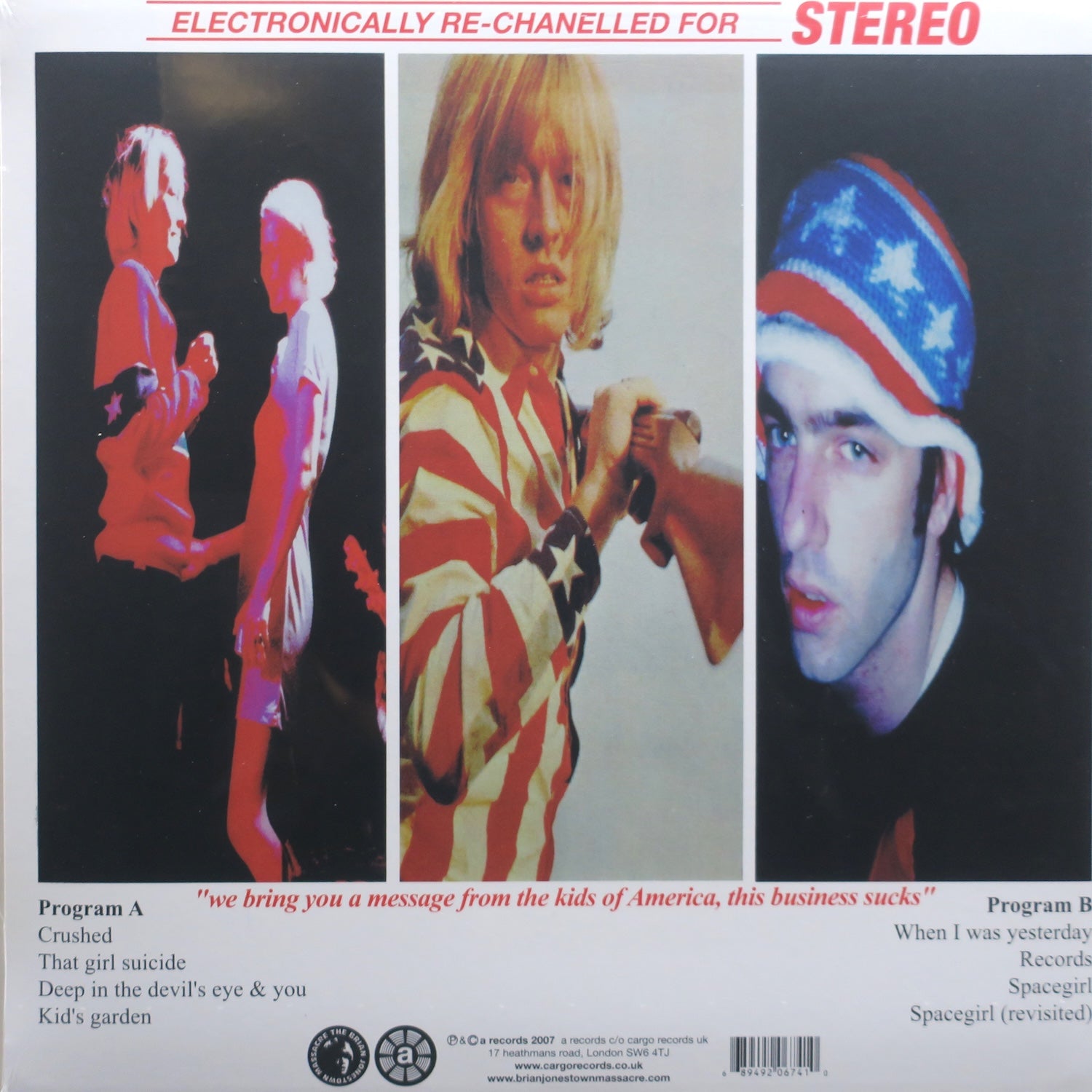
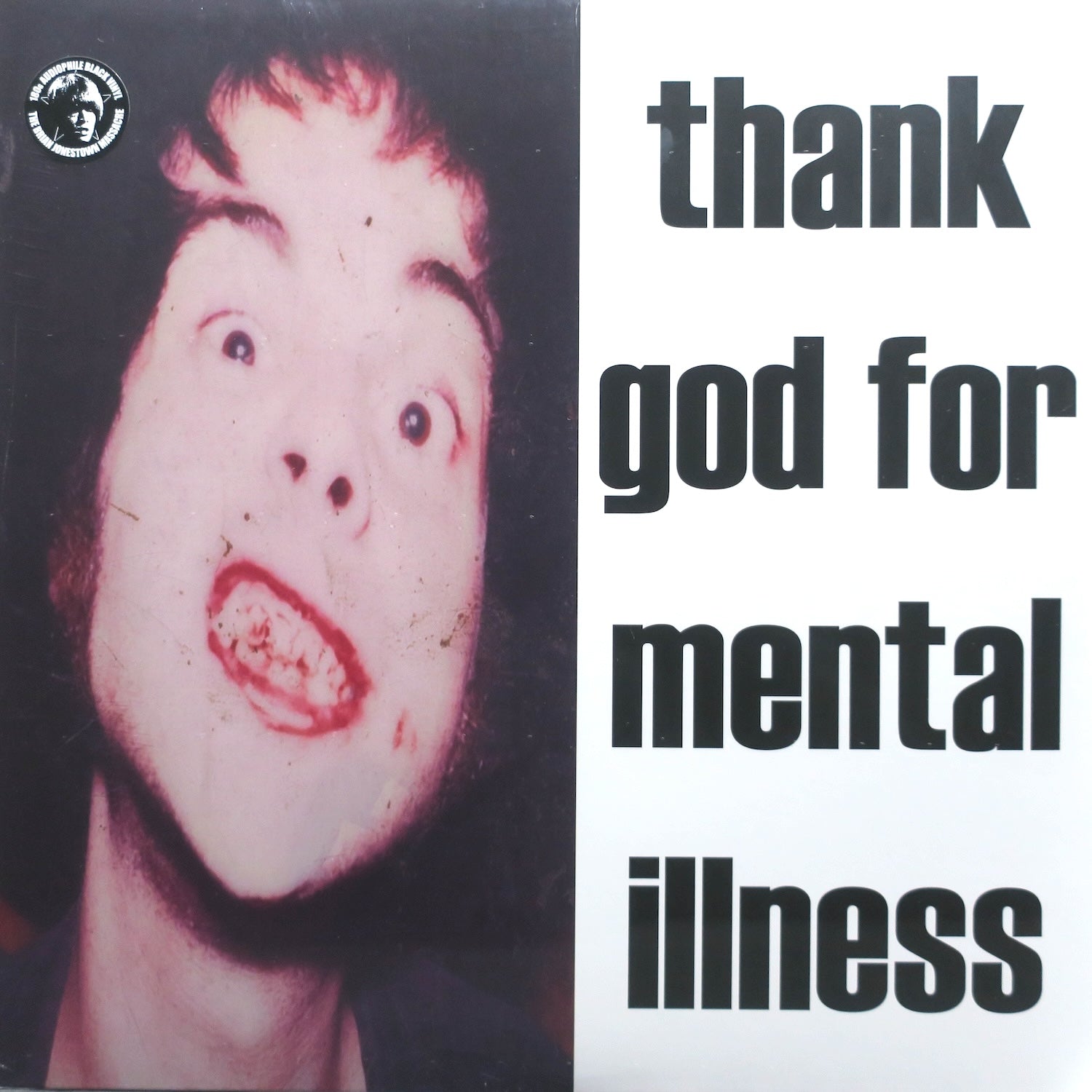
Early albums such as Methodrone and Their Satanic Majesties' Second Request make the band's aesthetic clear. Methodrone leans into droning, shoegaze textures and languid arrangements; Their Satanic Majesties' Second Request wears its '60s reverence openly, folding Mellotron flourishes and sitar-tinged lines into pop songs. In contrast, Thank God for Mental Illness strips everything back—acoustic, loose and raw—revealing that the group could be as spare as it could be baroque. These stylistic swings kept the catalog unpredictable and made each record a different doorway into the same obsessions: melody, repetition and the search for altered states of sound.
Personnel shifts are part of the story. Matt Hollywood contributed early co-written material and melodic counterpoints; Joel Gion's tambourine became a visual and sonic emblem onstage; Ricky Maymi helped shape the group's early guitar textures. Rather than a fixed lineup, the band functioned as Newcombe's rotating workshop, with members leaving and returning as songs and sessions required. Newcombe also self-produced much of the output, favoring lo-fi immediacy and frequent reworkings of ideas rather than studio polish.
Context matters. The band's public profile was amplified by the documentary Dig!, which captured the era-defining friction and camaraderie between Brian Jonestown Massacre and The Dandy Warhols. Musically, threads run back to Spacemen 3's drone minimalism and the Beatles’ and Rolling Stones’ late-'60s psychedelia, while forward to the 2000s psych revival—bands such as The Black Angels and Warlocks picked up similar tonal palettes and DIY ethos.
For listeners curious about the intersection of past and present in modern psychedelia, Brian Jonestown Massacre offers a catalog that's adventurous, uneven and often thrilling. The variety across albums means it rewards repeat listening: each record reveals new production quirks, recurring melodic themes and the restless creative mind at its center.