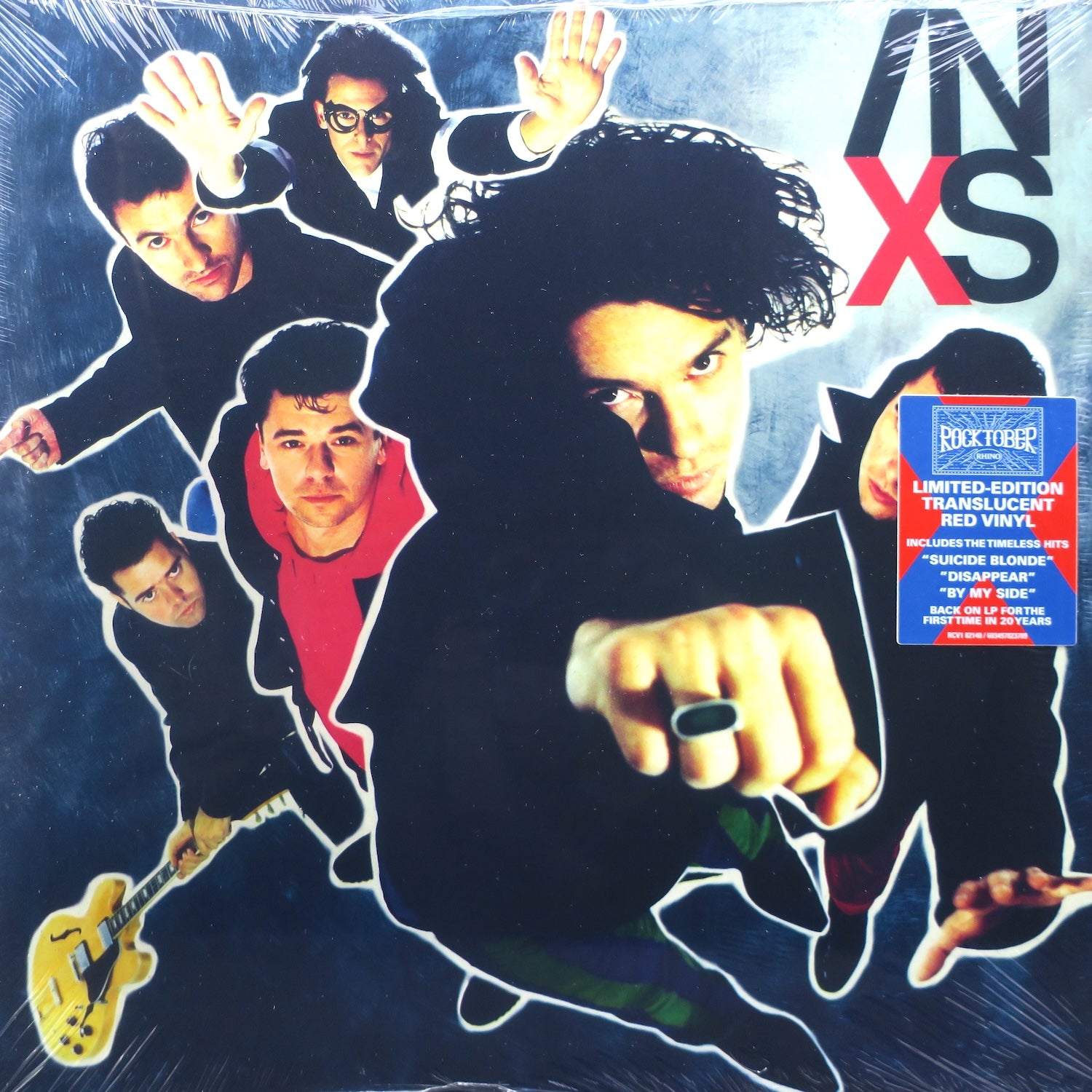
Inxs
Few bands of the 1980s managed to sound simultaneously sleek and urgent: a taut rhythm section, slinky funk grooves, and a frontman whose low, breathy delivery could shift from seduction to menace in a single line. That balance — dance-ready but rock-rooted — is the central appeal of INXS. Their songs were crafted to move bodies and radios alike, with arrangements that married pop hooks to muscular guitar and a pronounced rhythmic pull.
At the core of INXS's sound was the songwriting partnership between Andrew Farriss and Michael Hutchence. Farriss supplied concise, hook-forward compositions and instrumental textures; Hutchence supplied a charismatic, sensual vocal persona and lyrical fragments that elevated album tracks into memorable singles. Around them, Tim Farriss's guitar, Jon Farriss's driving drum work, Garry Gary Beers's bass, and Kirk Pengilly's guitar and saxophone created a compact but flexible band sound capable of tight funk, stadium rock, and shimmering new-wave pop.
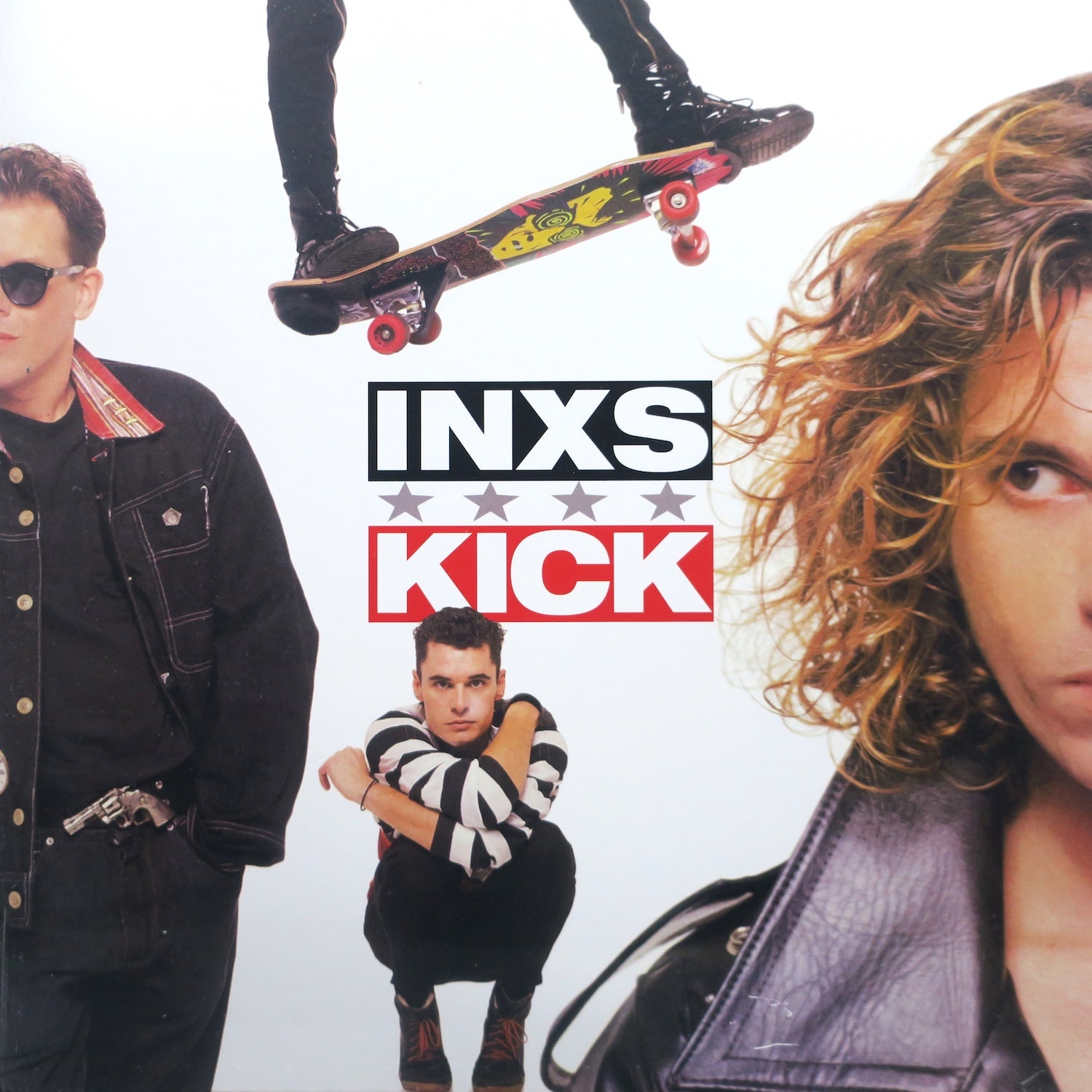
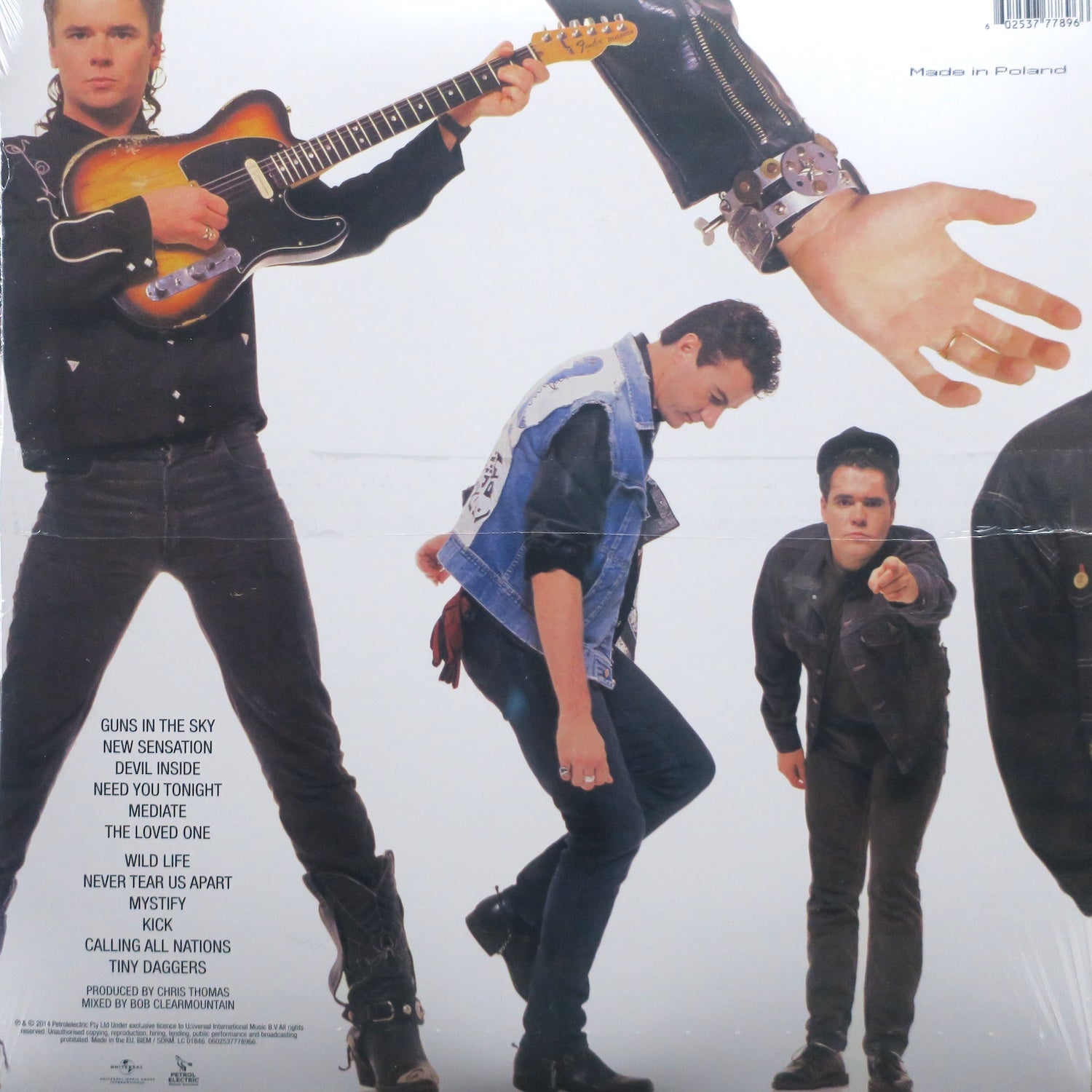
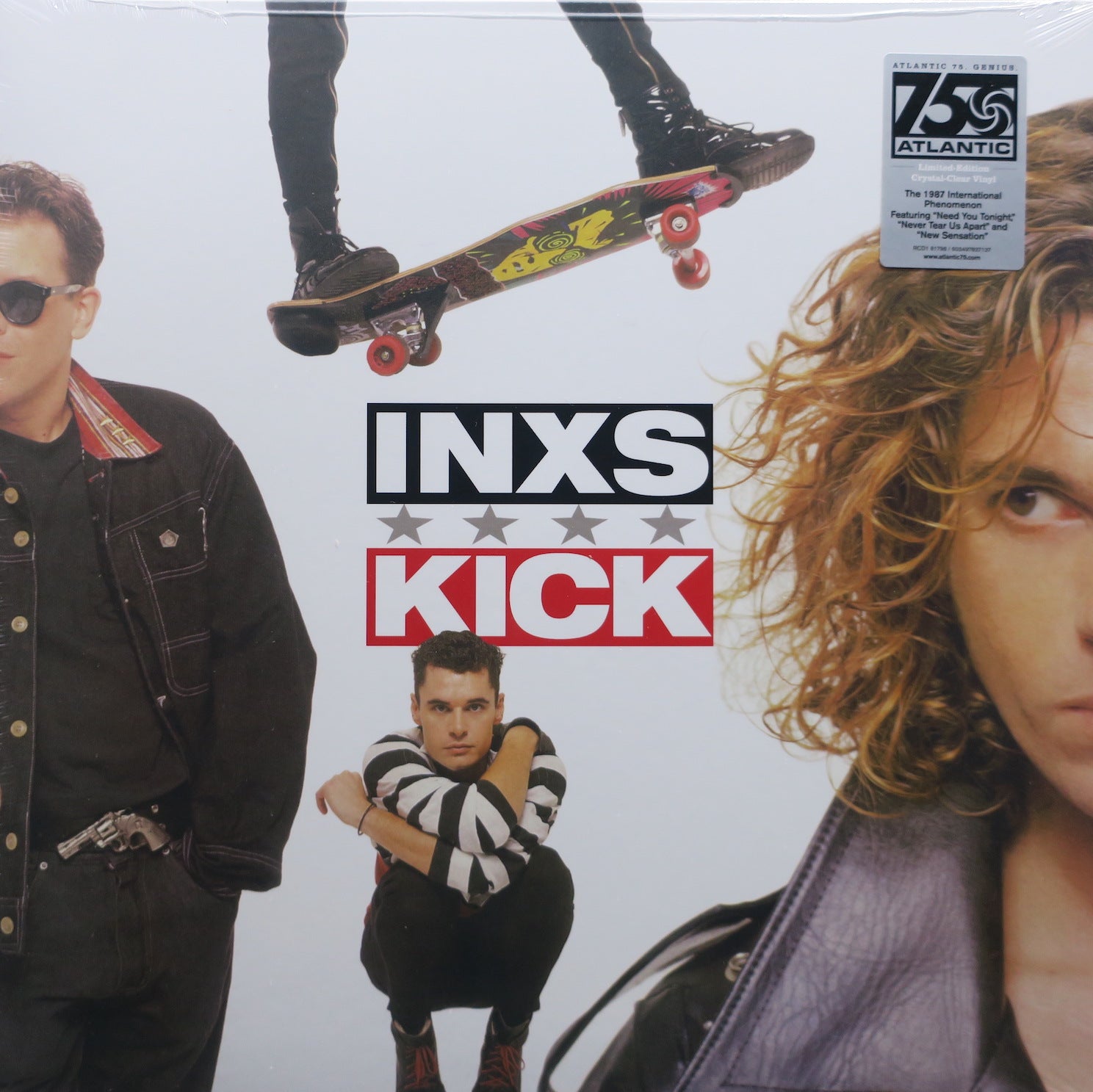
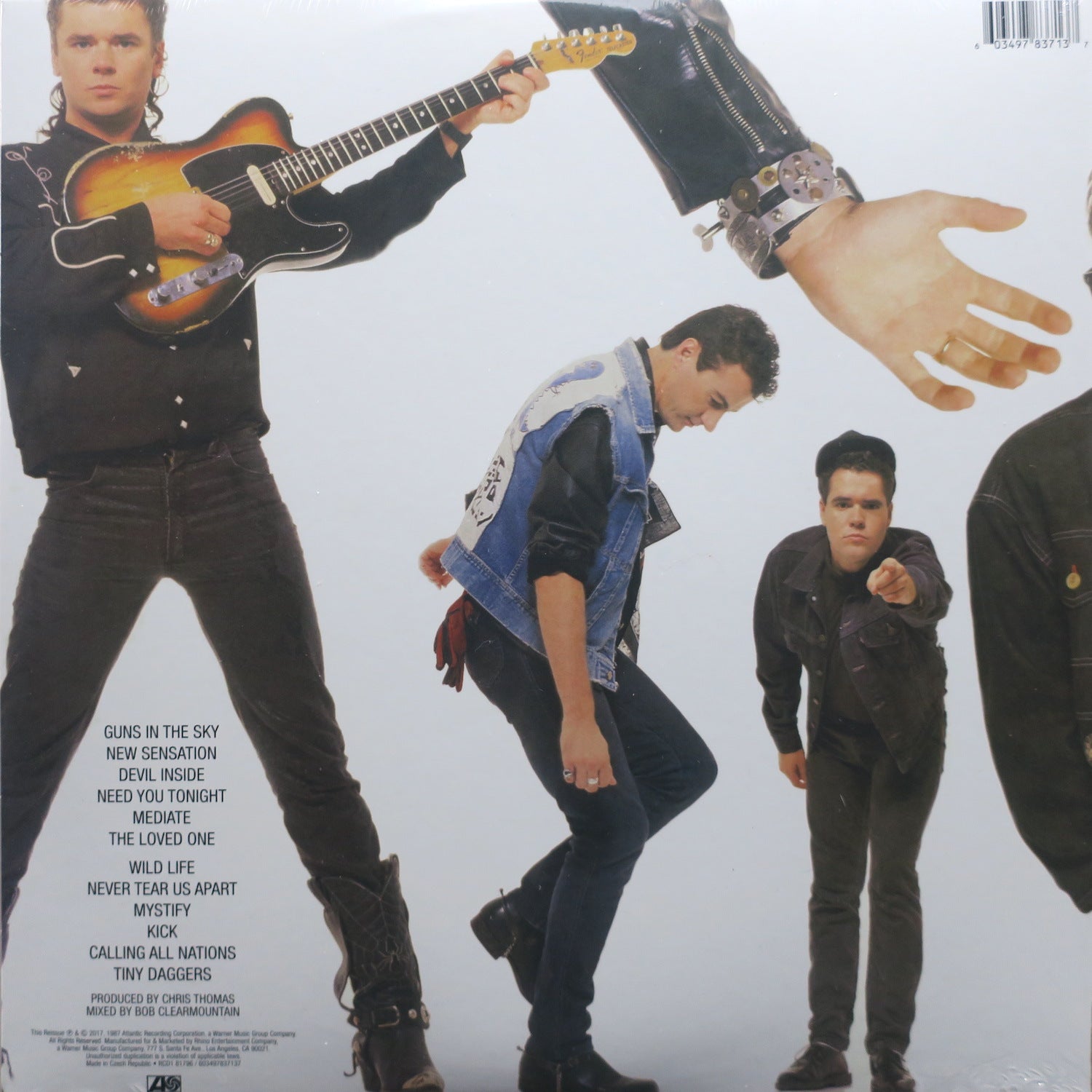
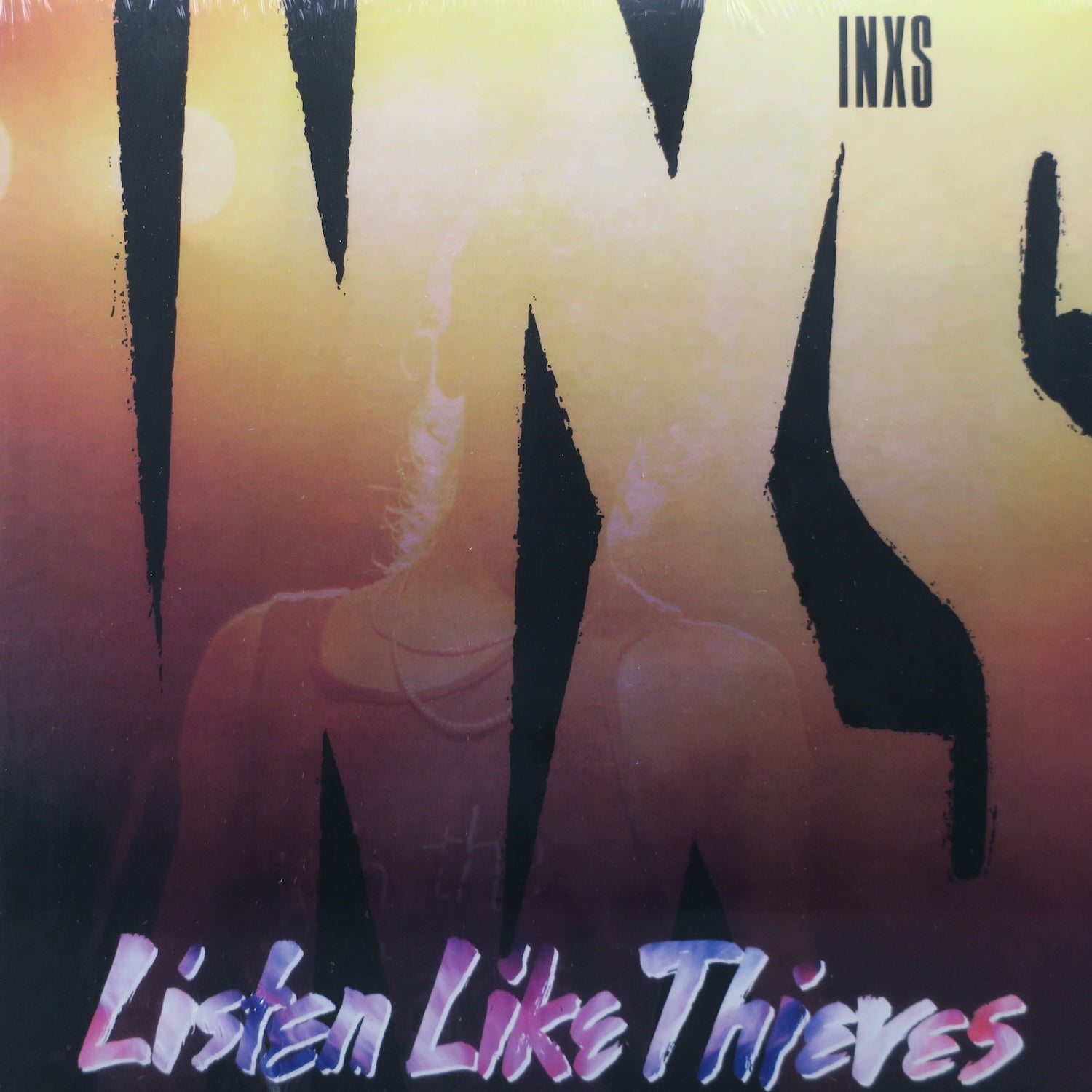
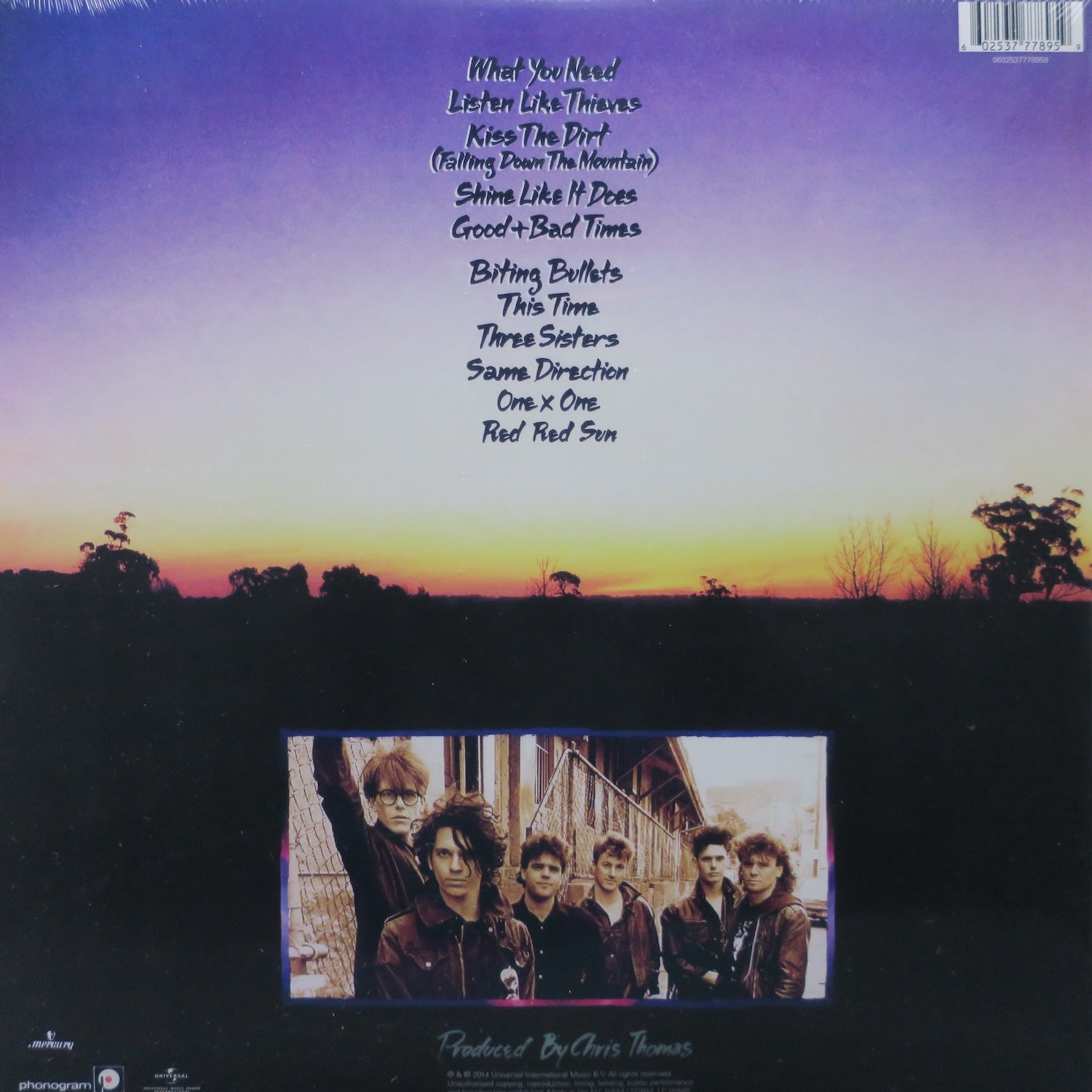
INXS's early records showed a band honing its craft, but mid-1980s albums such as The Swing and Listen Like Thieves revealed a new confidence — sharper songwriting, bigger choruses, stronger rhythmic interplay. Kick, their commercial breakthrough in the United States, distilled everything the group had learned into a record of immediate hits: Need You Tonight, Devil Inside and Never Tear Us Apart each showcase a different face of the band, from nightclub swagger to widescreen balladry.
Musically, INXS sat at the crossroads of new wave, funk and pop-rock. They drew on the rhythmic experiments of bands like Talking Heads while sharing a glossy, danceable sheen with peers such as Duran Duran. As major Australian contemporaries—alongside Men at Work, Crowded House and Midnight Oil—the band helped shift attention to the region's popular music in the global market. Later acts picked up INXS's knack for combining rhythmic urgency with big choruses and charismatic frontmanship.
The story of INXS is also marked by abrupt turns: critical acclaim, a global breakthrough, and then the tragic loss of Hutchence in 1997, which transformed how listeners revisit the catalog. What remains compelling is the music itself — tight production, memorable hooks, and songs that still sound immediate on the dance floor or in a living-room stereo.
Exploring INXS's catalog moves from punchy early singles to the glossy power of Kick and the taut craft of Listen Like Thieves, offering a vivid snapshot of how a rock band made itself both radio-ready and rhythmically daring.