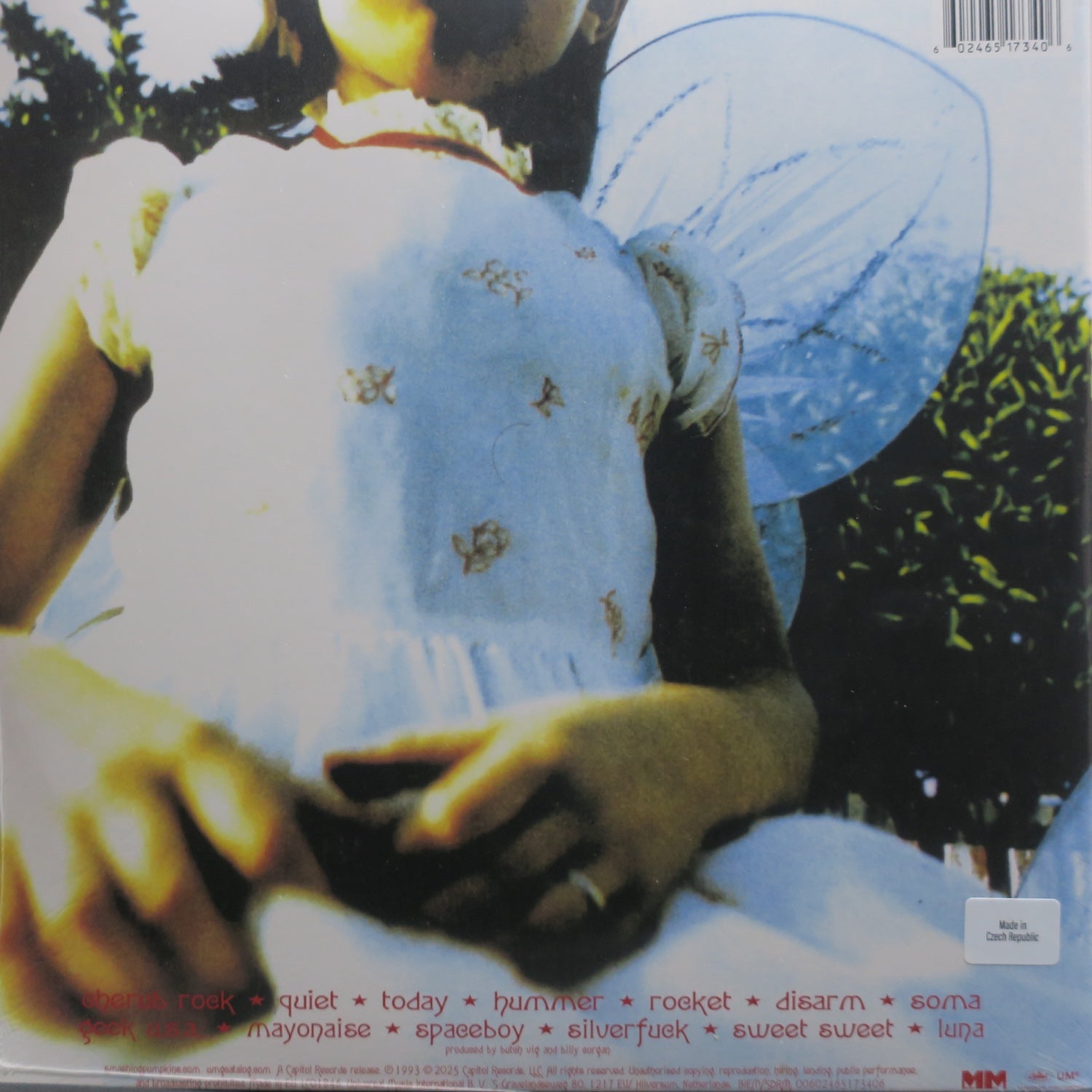
Smashing Pumpkins
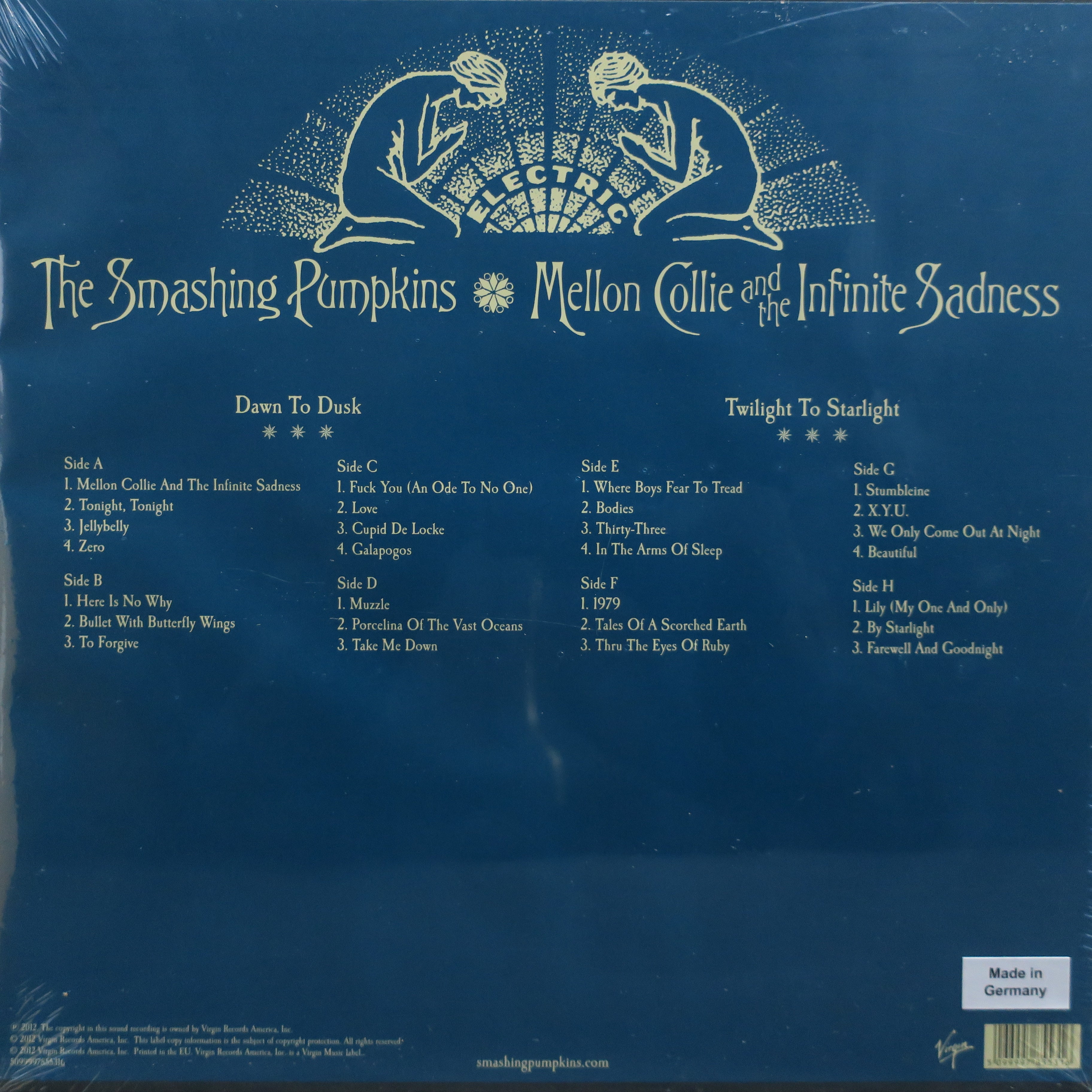
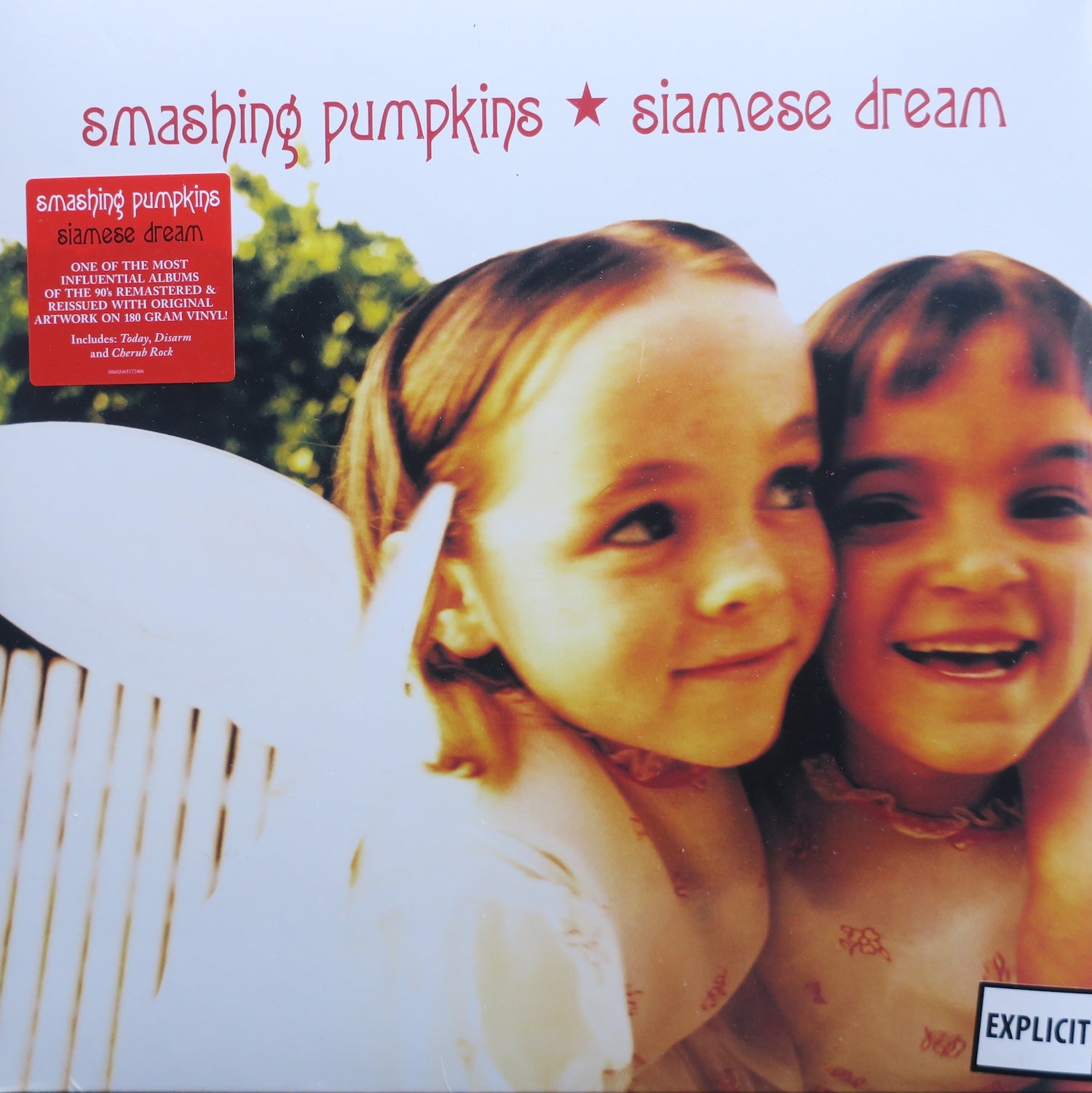
Smashing Pumpkins built their signature sound on a striking contradiction: songs that could be bruising and massive one moment and heartbreakingly fragile the next. That tension—huge, distorted guitar walls stacked over delicate melodies and orchestral touches—made albums like Siamese Dream and Mellon Collie and the Infinite Sadness feel widescreen in a scene often defined by stripped-down grunge.
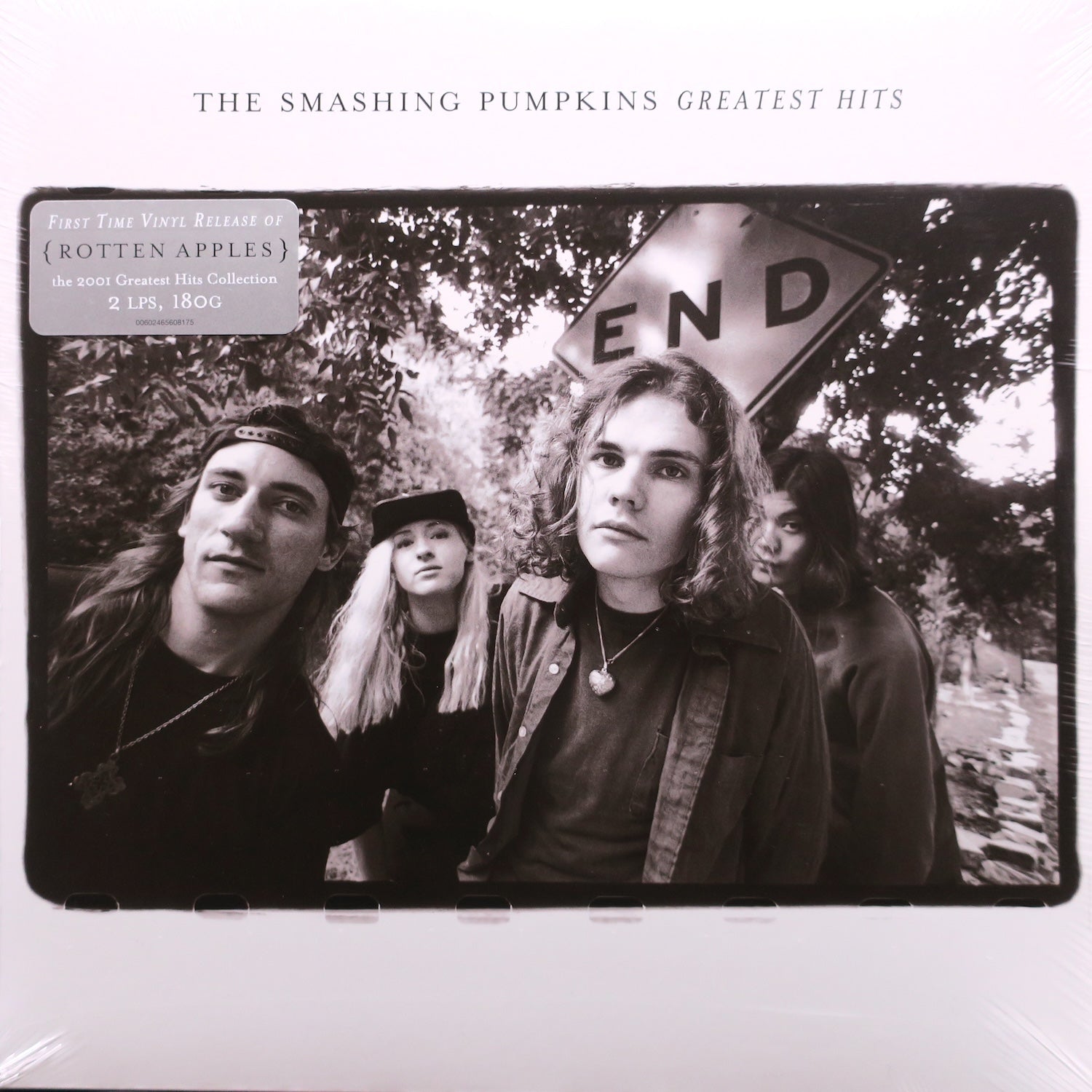
At the center of the band is Billy Corgan, the primary songwriter and distinctive high-register vocalist whose taste for melody and dramatic arrangement pushed the group beyond typical alt‑rock formulas. James Iha’s chiming guitar lines and counter-melodies provided a softer foil, while Jimmy Chamberlin’s jazz-informed, powerhouse drumming gave many songs their propulsion. D’arcy Wretzky’s bass work and presence during the early era also helped shape the group’s low-end personality. Those four members defined the Pumpkins’ most celebrated period and the dynamics—both musical and personal—that would drive lineup changes and creative shifts.
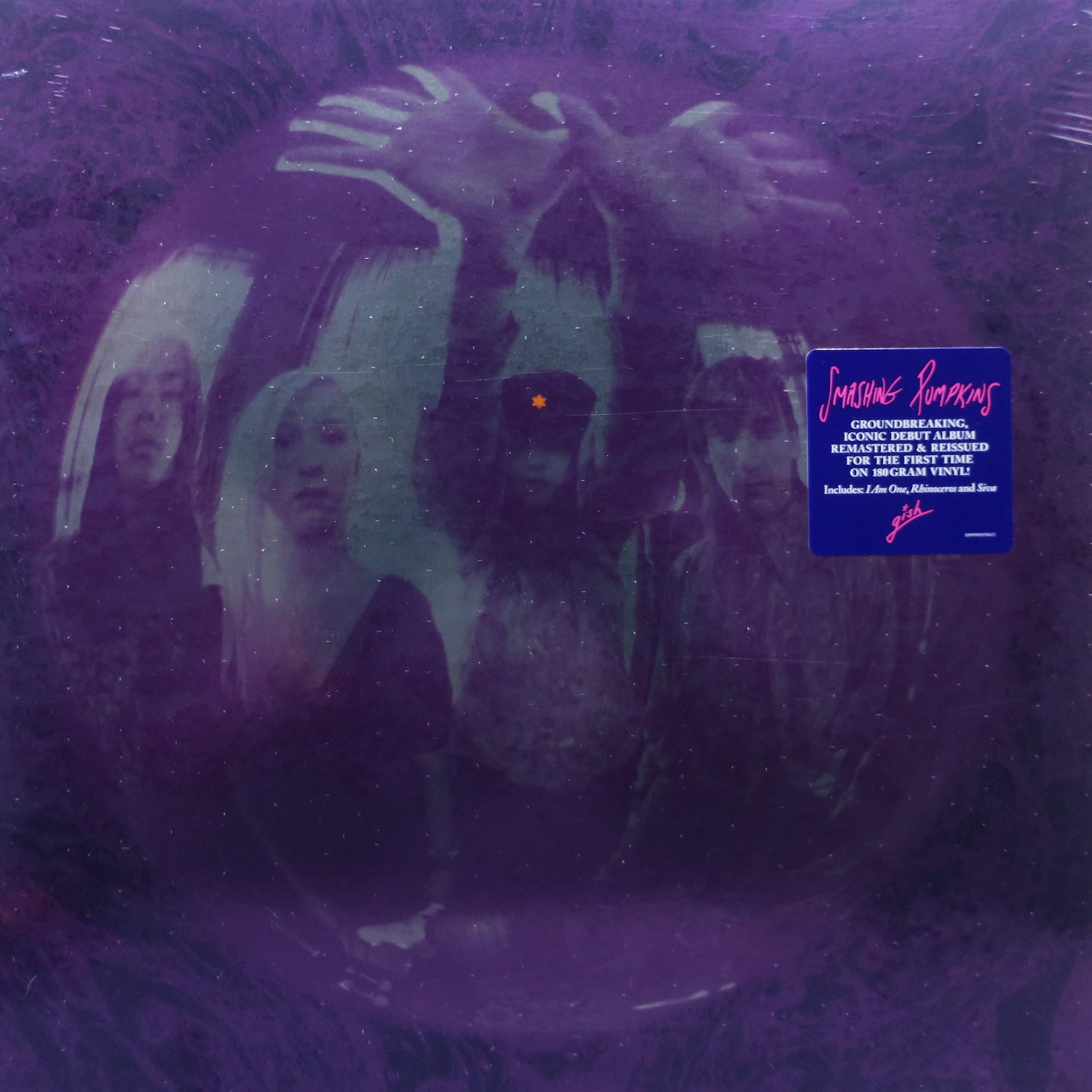
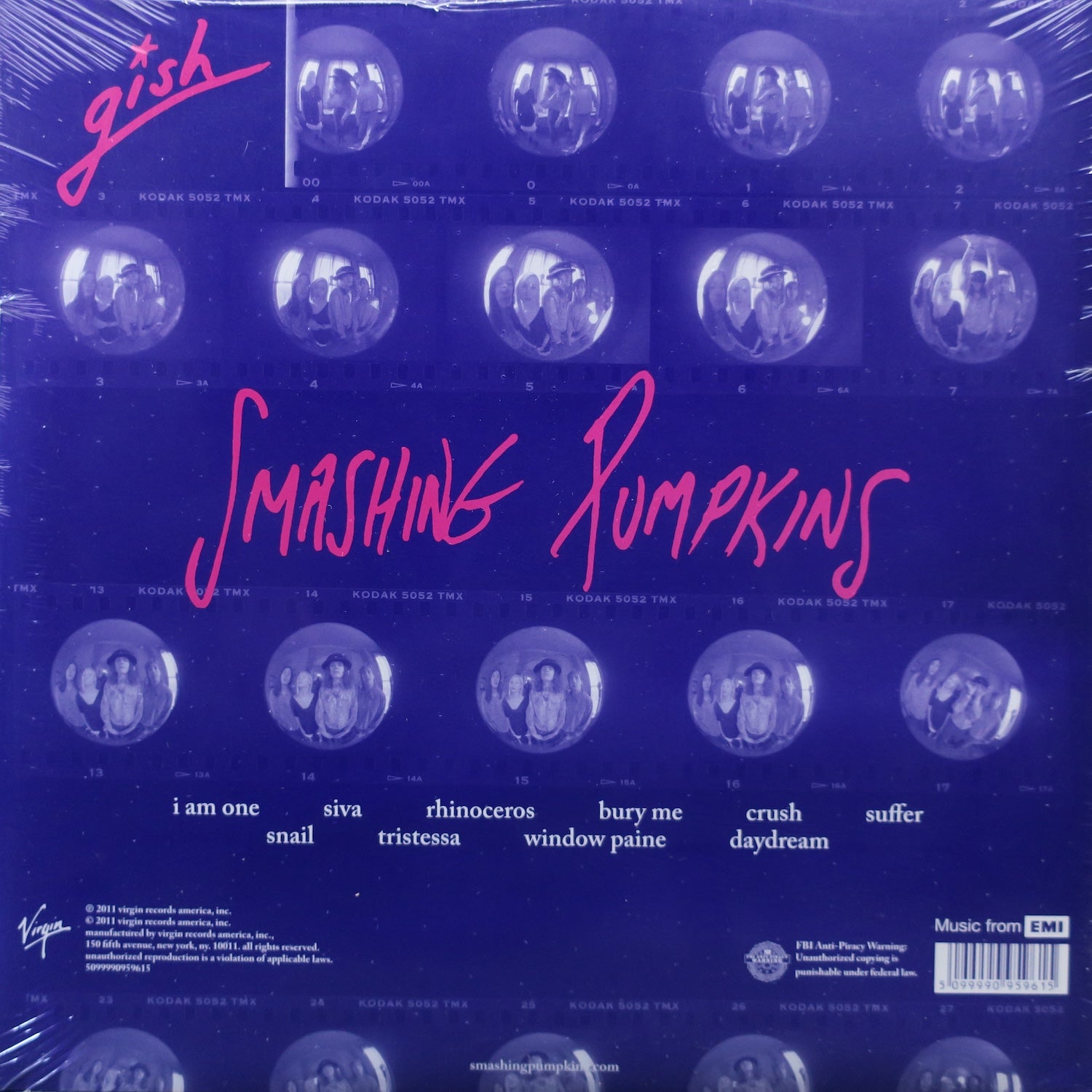
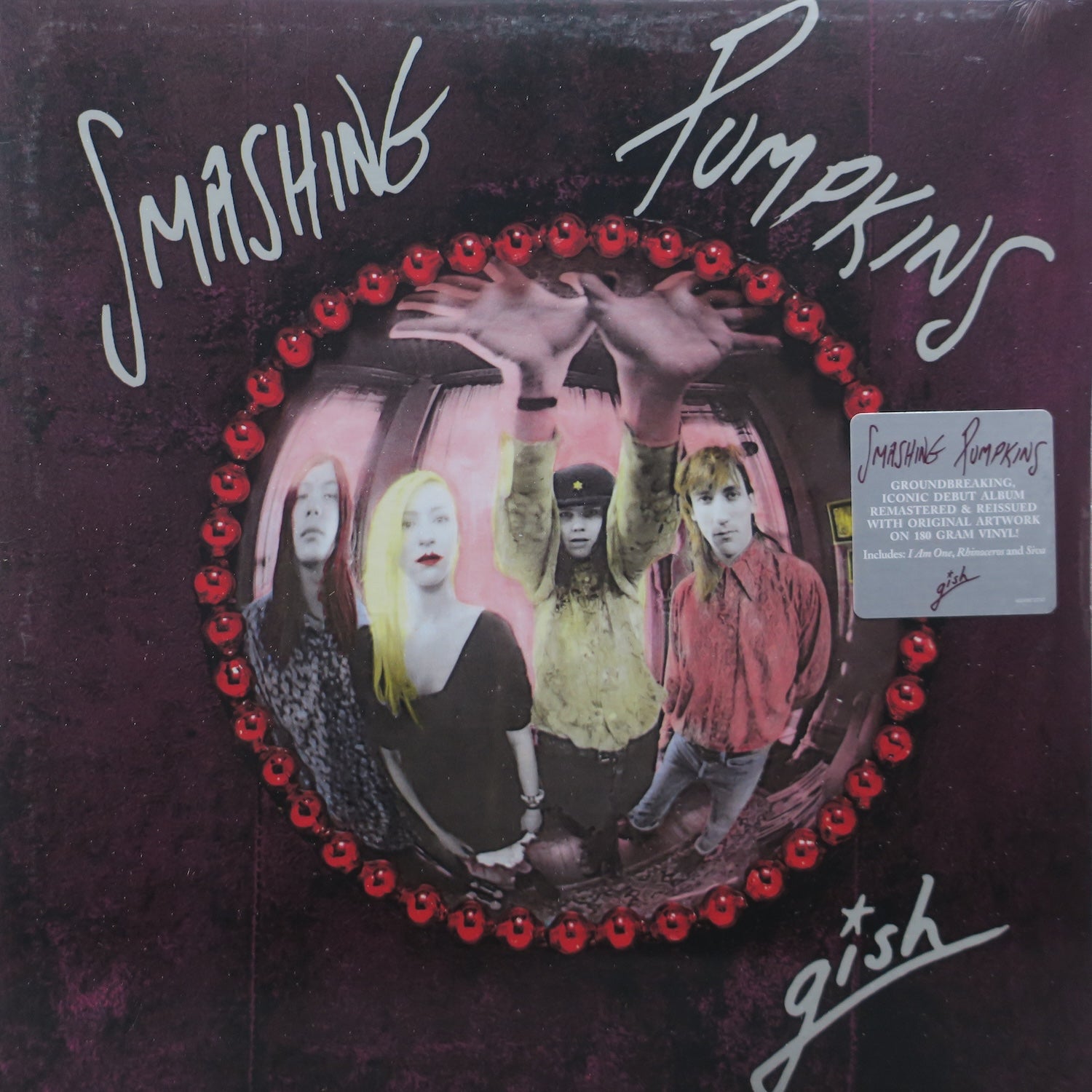
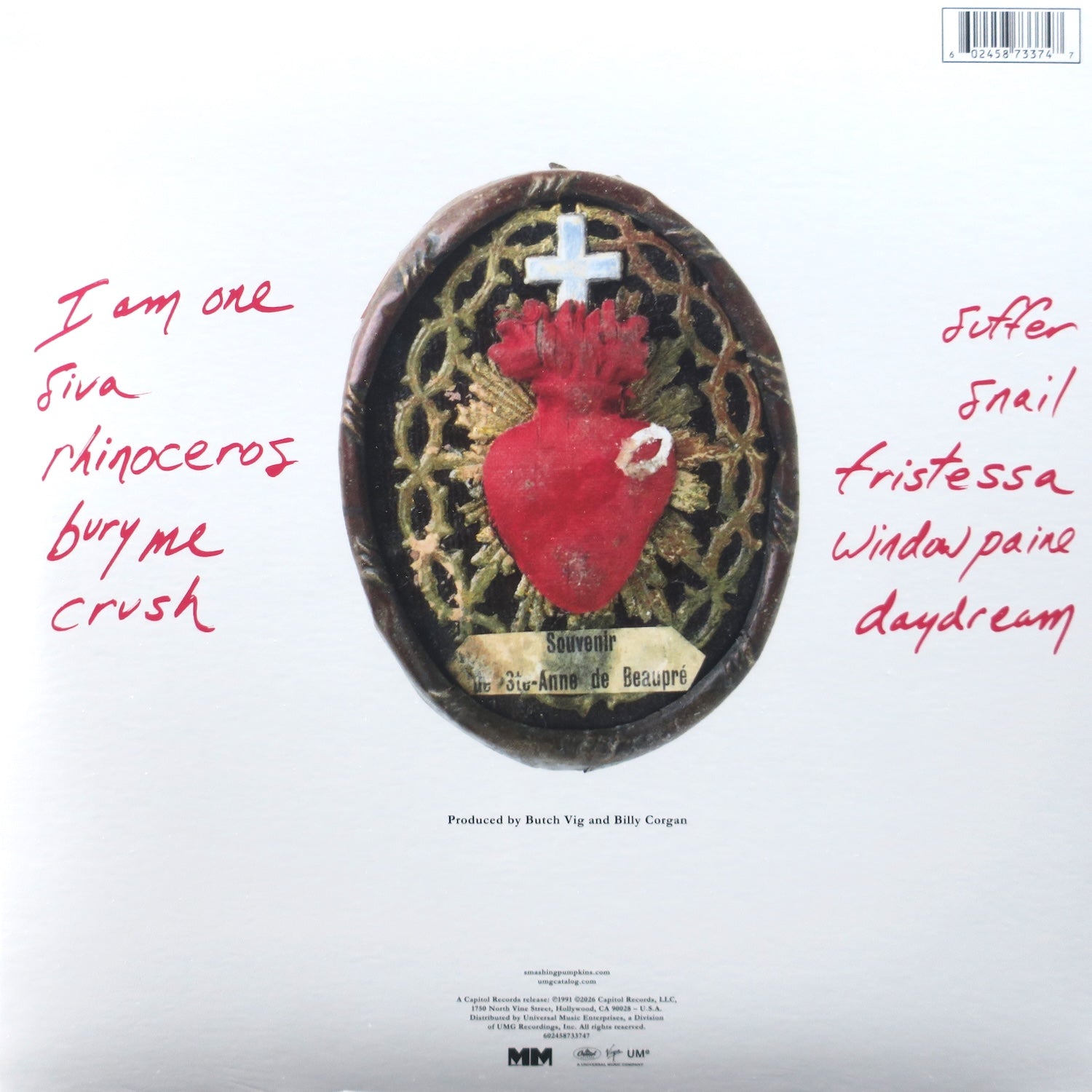
Musically, the band mixed heavy riffing with shoegaze-like textures and moments of chamber-pop grandeur. Gish introduced the band’s lush production and layered guitars; Siamese Dream pushed that studio approach further with meticulous overdubs and monstrous guitar tone; Mellon Collie expanded the palette into a sprawling double album that ranged from punkish attack to orchestral balladry. Later records such as Adore traded some of the guitar mass for electronic beats and moody synths, proving the group could pivot without losing its emotional core. That blend of ambition and tunefulness links Smashing Pumpkins to shoegaze sources like My Bloody Valentine and to experimental contemporaries such as Sonic Youth, while also pointing forward to bands that cite their dense guitar approach—Silversun Pickups among them.
The band’s story includes sharp highs and rocky transitions: public lineup departures, stylistic reinventions, and periods of reinvention that keep the catalog varied. For listeners, the appeal is practical: the records deliver memorable hooks framed by unusual textures and grand arrangements, offering repeated discovery on vinyl.
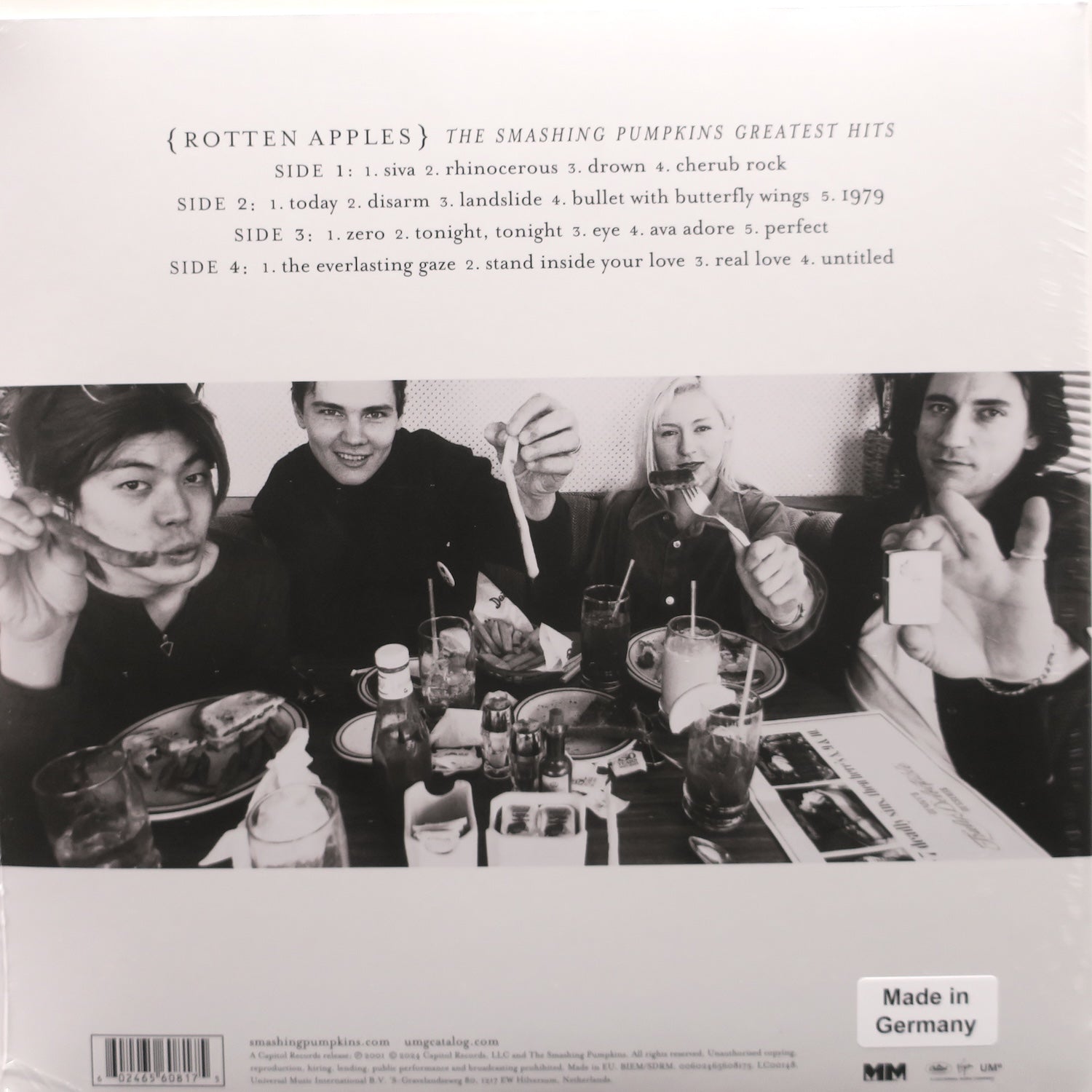
Decades after their initial run, Smashing Pumpkins remain compelling because their music rewards attention—melodic construction and studio ambition meet raw, immediate emotion. Each major record reveals a different facet of that union, making their catalog worth exploring beyond the hits.