Talk Talk
Talk Talk is a rare example of a band that deliberately traded mainstream success for risk: after charting with radio-friendly singles, they stripped songwriting down to voice, silence and texture, turning records into immersive listening experiences.
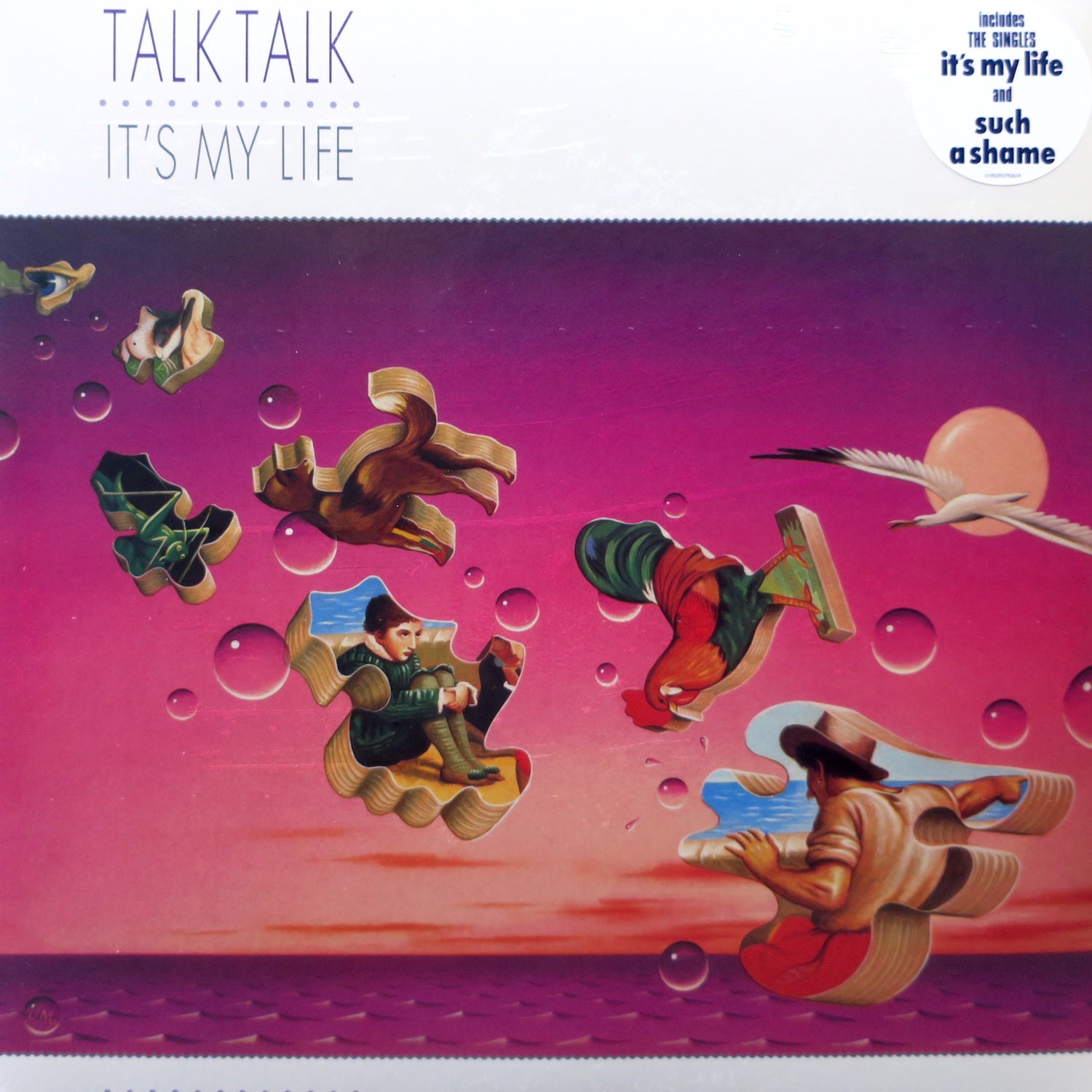
The early Talk Talk records — notably The Party's Over and It's My Life — arrived amid the synth-heavy new wave of the early 1980s. Those albums contain tight melodies and memorable hooks, and they explain why the group could have continued as a successful pop act. Instead, Mark Hollis and company used that commercial position as a launchpad to experiment with slower tempos, organic instrumentation and improvisation.
From The Colour of Spring onward the sound shifted. Tim Friese-Greene, though never an official member, became an essential collaborator: his production and arrangement choices helped dissolve conventional pop structures into open-ended, almost jazz-like sessions. Spirit of Eden and Laughing Stock reject standard verse-chorus formatting in favor of carefully arranged room to breathe — moments of near-silence, acoustic detail and plaintive vocal lines that reward patient listening.
That late-period approach is why Talk Talk is often cited as a precursor to post-rock. The textures and patience on Spirit of Eden map directly onto later acts who prioritized atmosphere over immediacy. Artists such as Radiohead have acknowledged Talk Talk's influence on the possibilities of studio-based composition, while smaller post-rock outfits like Bark Psychosis picked up the album's quiet dynamics and emphasis on mood. The atmospheric aesthetic also shows traces of techniques long associated with Brian Eno, whose ambient sensibility helps explain Talk Talk's move away from pop gloss.
Explore Talk Talk by following the arc: start with It's My Life to hear the hits, then listen to The Colour of Spring for the transition, and finish with Spirit of Eden and Laughing Stock to understand the full ambition. The band's career illustrates how pop musicians can take commercial tools and refocus them into something more fragile, patient and quietly radical — music that keeps revealing new layers with each play.