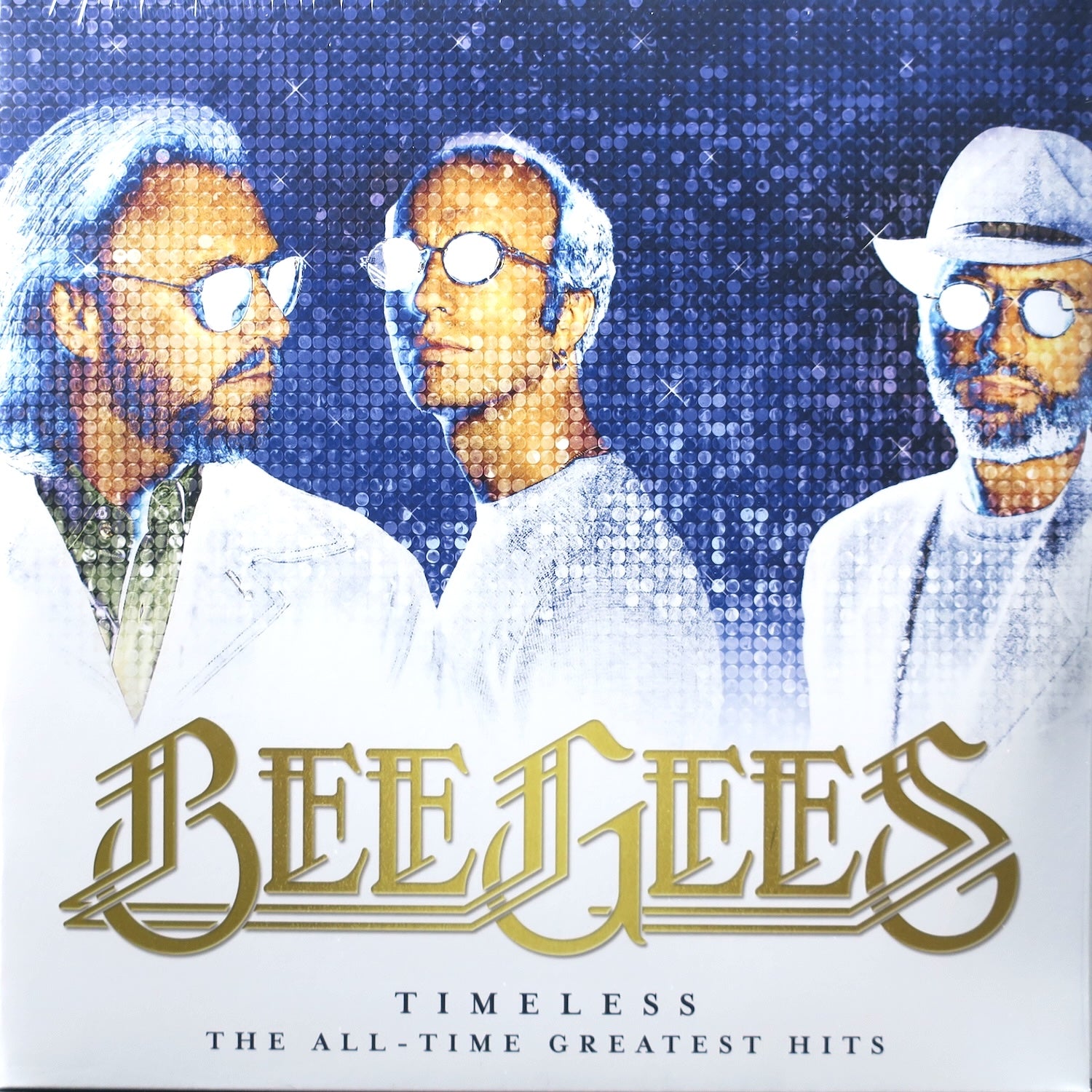
Bee Gees
Few pop acts have reinvented themselves so decisively in the middle of a career. The Bee Gees moved from 1960s baroque-pop and close-harmony ballads into the pulsating dance grooves of the mid-1970s, and that pivot — led by a newly prominent falsetto — rewrote what the group could be and how its songs were heard.
The early Bee Gees were a harmony-driven trio whose writing and arrangements rewarded close listening: records like Bee Gees' 1st and the cinematic double LP Odessa show a taste for melancholic melody, dramatic chord changes and orchestral touches. Robin Gibb’s cutting vibrato and lead instincts balanced Barry Gibb’s craft as a songwriter while Maurice Gibb supplied the instrumental glue — keyboards, bass and guitar work that kept the group musically versatile.
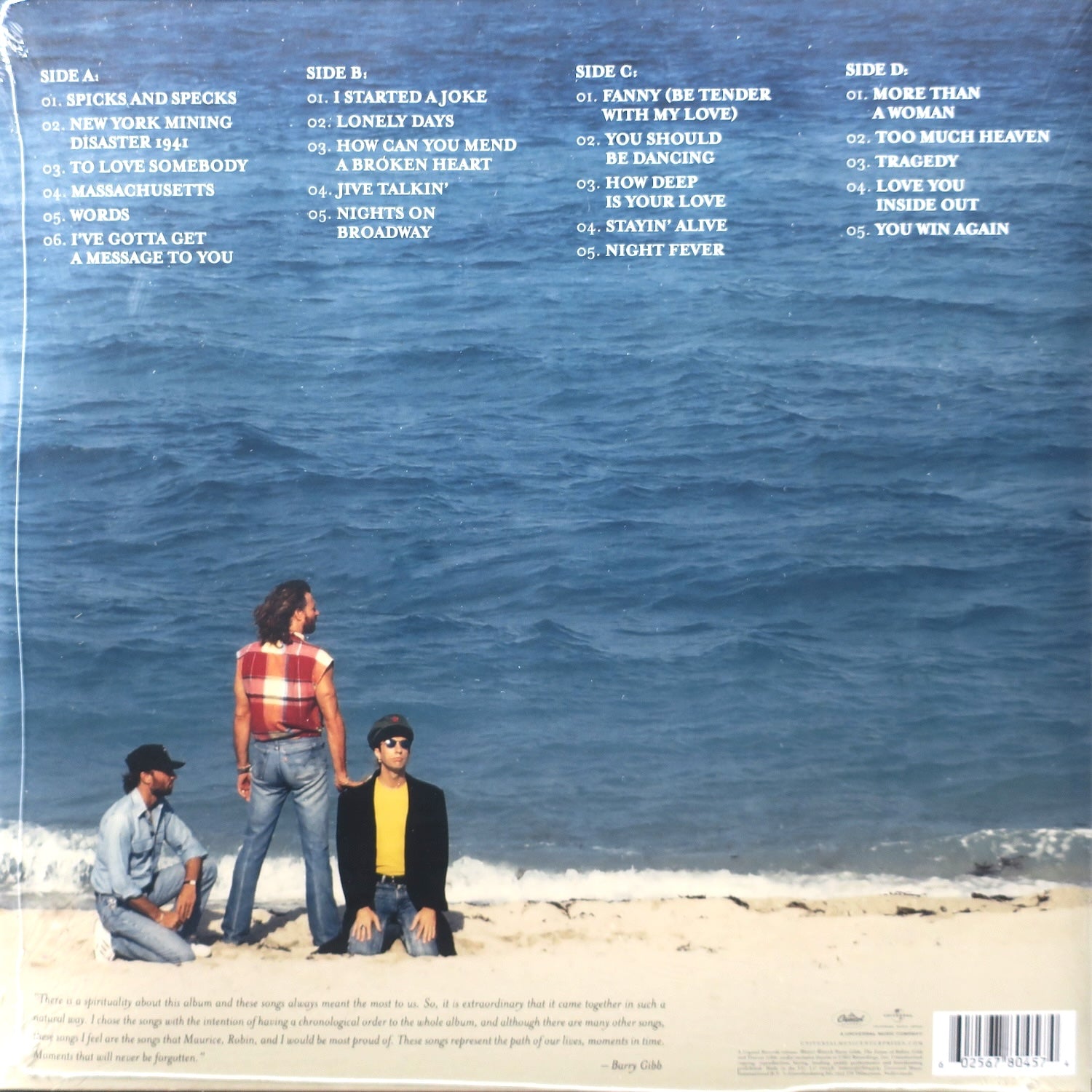
Main Course marks the turning point. Working with producer Arif Mardin, the group embraced R&B rhythms, electric groove and Barry’s upper-register voice. Songs such as “Jive Talkin’” and later the string of singles written for the Saturday Night Fever soundtrack — including “Stayin’ Alive,” “Night Fever” and “How Deep Is Your Love” — placed the Bee Gees at the center of late-70s pop and dance culture. Their use of falsetto as a lead texture became one of disco’s most recognizable vocal signatures, while tight arrangements and immaculate production kept the songs radio-friendly.
That disco-era peak didn’t end the group’s ambitions. Spirits Having Flown carried the commercial crown into 1979, and in the years after the brothers spread their songwriting and production around: Barry’s work on Barbra Streisand’s Guilty and the family connections with Andy Gibb are extensions of the same melodic sensibility. Maurice’s multi-instrumentalism and Robin’s distinctive timbre continued to shape Bee Gees records whenever the group chose to return to pop, balladry or more experimental sounds.
Listening to the Bee Gees across the decades reveals a band that could write intimate ballads and arena-ready anthems with the same melodic gift. Their catalog rewards both casual listeners who know the disco hits and deeper explorers interested in late-60s art-pop or the craft of three-part sibling harmonies. The Bee Gees’ story is as much about reinvention and studio detail as it is about memorable hooks, which makes revisiting their albums a revealing experience.