Silverchair
A 15-year-old's howl on the single "Tomorrow" made Silverchair feel like a transpacific answer to the 1990s Seattle sound: raw, urgent and unexpectedly polished for a band of teenagers. That immediate impact matters because it set up the more surprising part of the story — Silverchair never stayed inside the grunge box that launched them. Across five studio albums the trio from Newcastle, Australia moved from hard-edged, Nirvana-adjacent alt-rock into artful arrangements, piano-led melodies and widescreen orchestral flourishes.
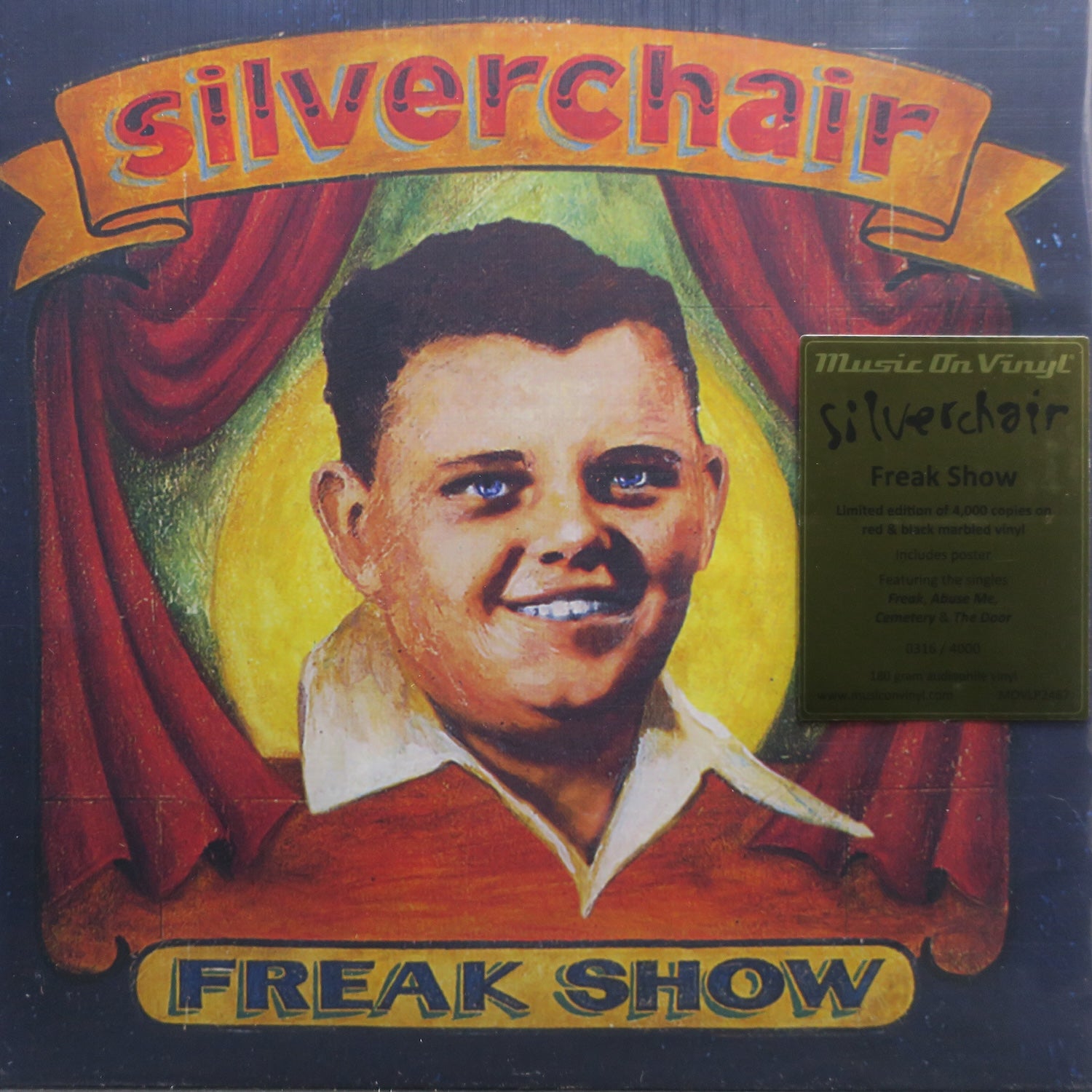
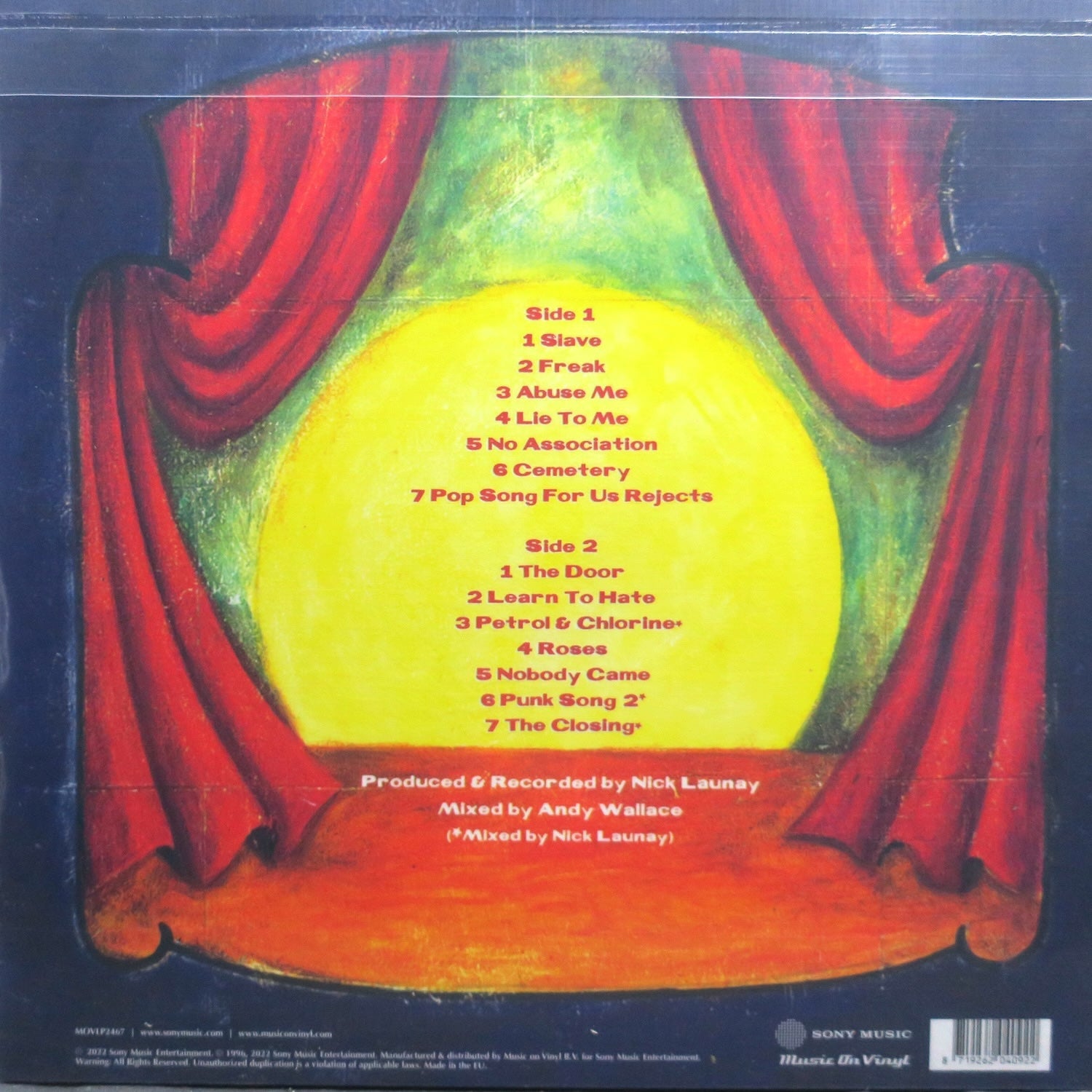
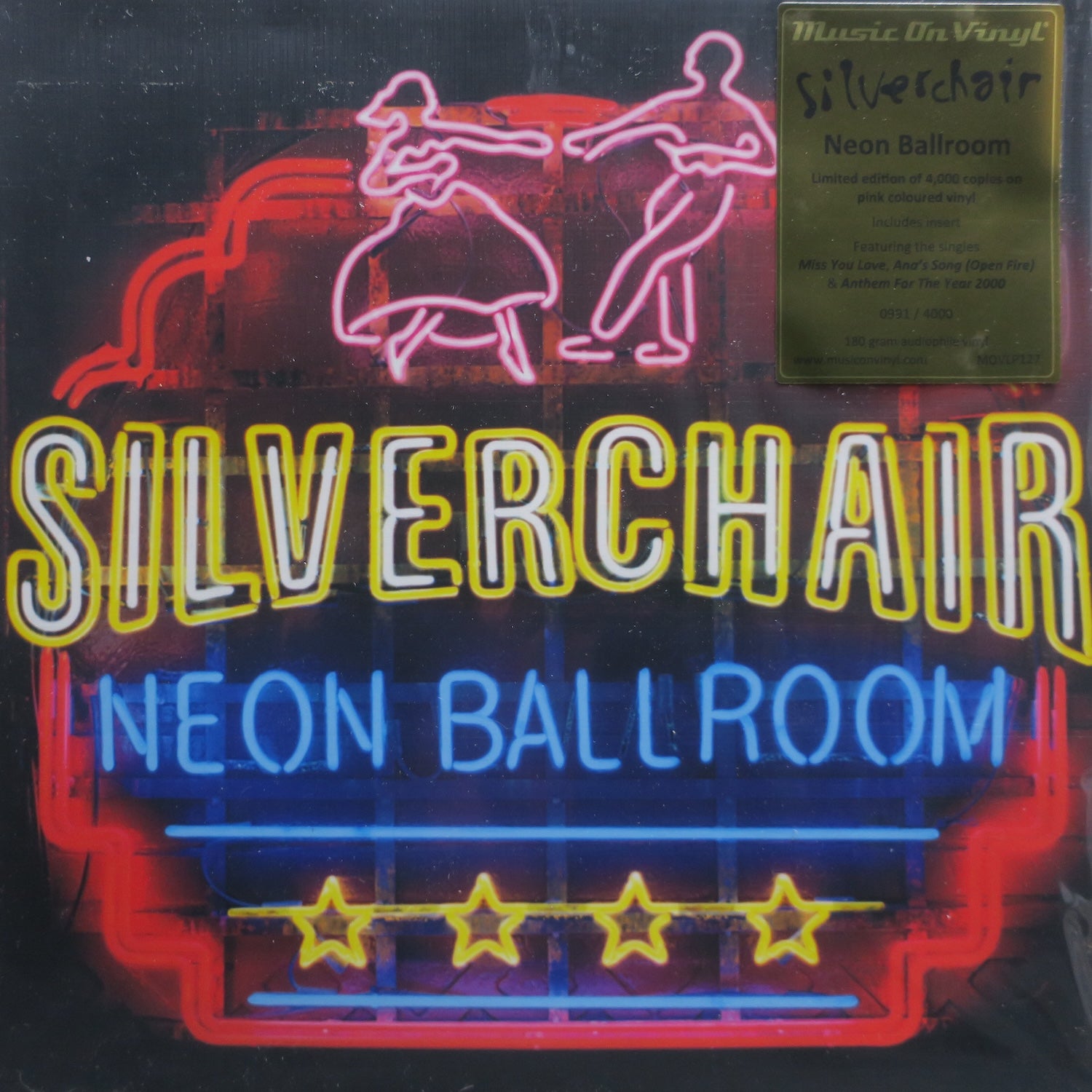
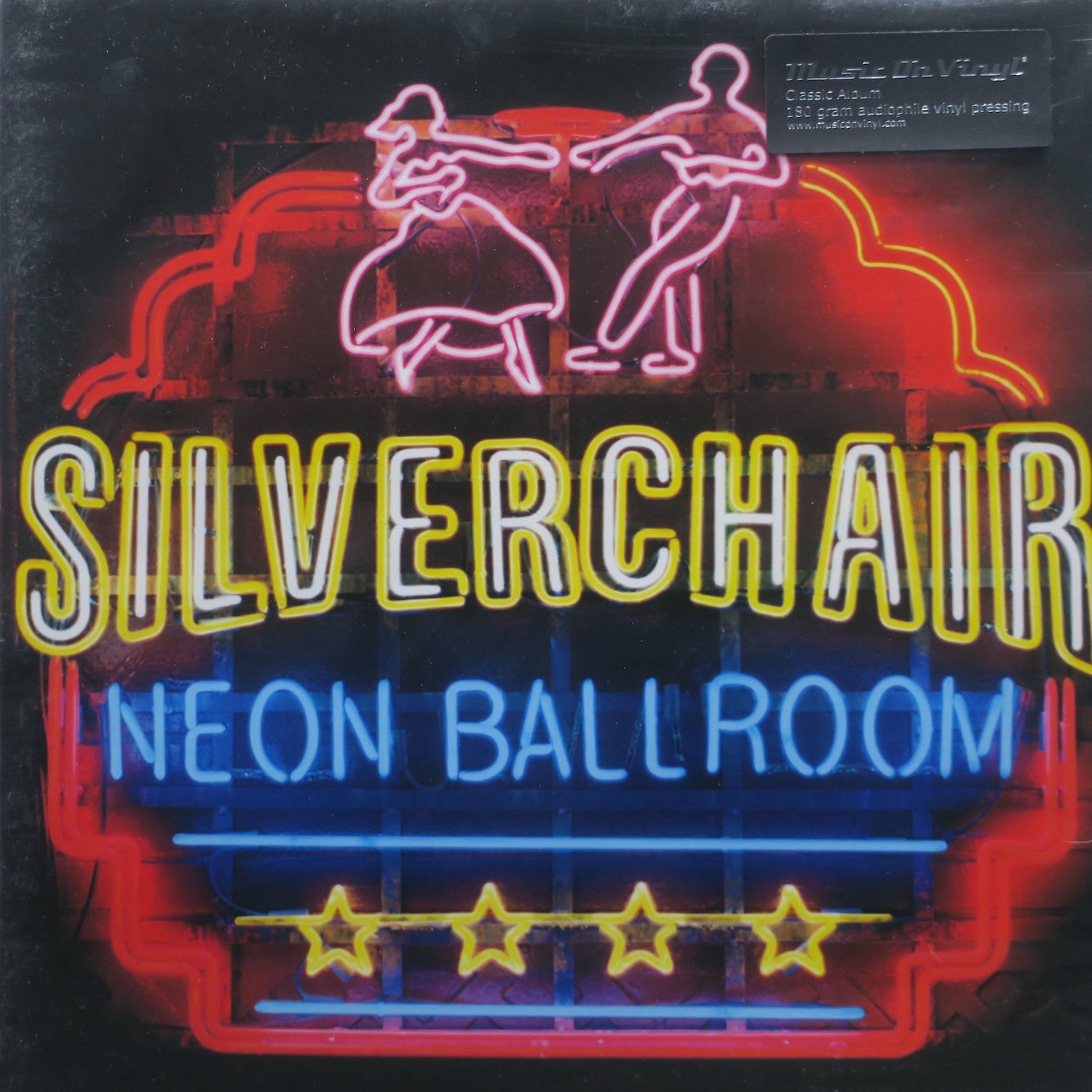
Daniel Johns (vocals, guitar), Ben Gillies (drums) and Chris Joannou (bass) started as high-school friends whose first record, Frogstomp (1995), captured the post-grunge energy of the era: big riffs, clenched vocal delivery and a knack for immediate hooks. By Neon Ballroom (1999) the songs were more interior — songs like "Ana's Song (Open Fire)" combined jagged guitar with strings and candid lyricism about anxiety and identity. Diorama (2002) pushed that palette further, trading rawness for elaborate arrangements and melodic ambition, a pivot that invites comparisons to art-rock acts such as Radiohead while remaining distinctively Australian in tone.
Silverchair's evolution is notable because it was led by a single songwriter growing up in public. Daniel Johns' shift from adolescent scream-singer to composer of layered, theatrical arrangements shaped the band's later reception: critics who dismissed the group as a one-note grunge act had to reckon with sophisticated harmonies, piano motifs and cinematic production on records like Diorama and Young Modern (2007).
In Australia Silverchair belonged to a lively alternative scene alongside acts like Powderfinger and You Am I; internationally their early sound drew on American grunge influences while their later work opened conversations with contemporary art-rock. Daniel Johns also pursued outside projects — most prominently The Dissociatives with Paul Mac — that reflected his appetite for electronic textures and songwriting outside the trio format.
For listeners today, Silverchair offers a compact case study in artistic growth: an act that began with teenage fury and, album by album, embraced nuance, arrangement and dramatic songwriting. That trajectory — noisy beginnings giving way to wide-ranging musical ambition — is what keeps revisiting their records rewarding.