Yoko Ono
Yoko Ono turned conceptual performance strategies — instruction pieces, cut-up texts and extended vocal techniques — into records that forced listeners to rethink what a pop song could do. Her early work reframed studio albums as artistic events: not just collections of songs but provocations and emotional experiments.
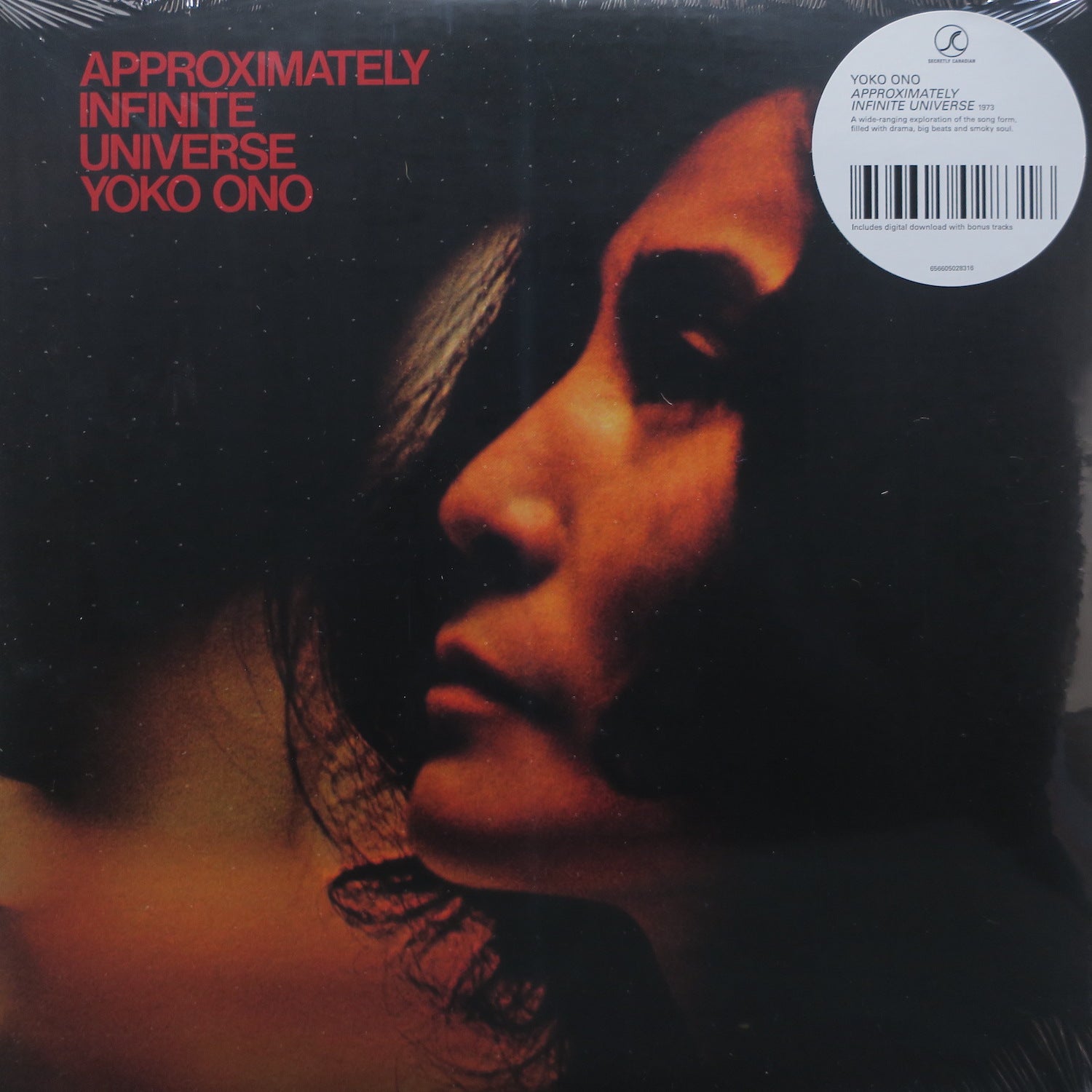
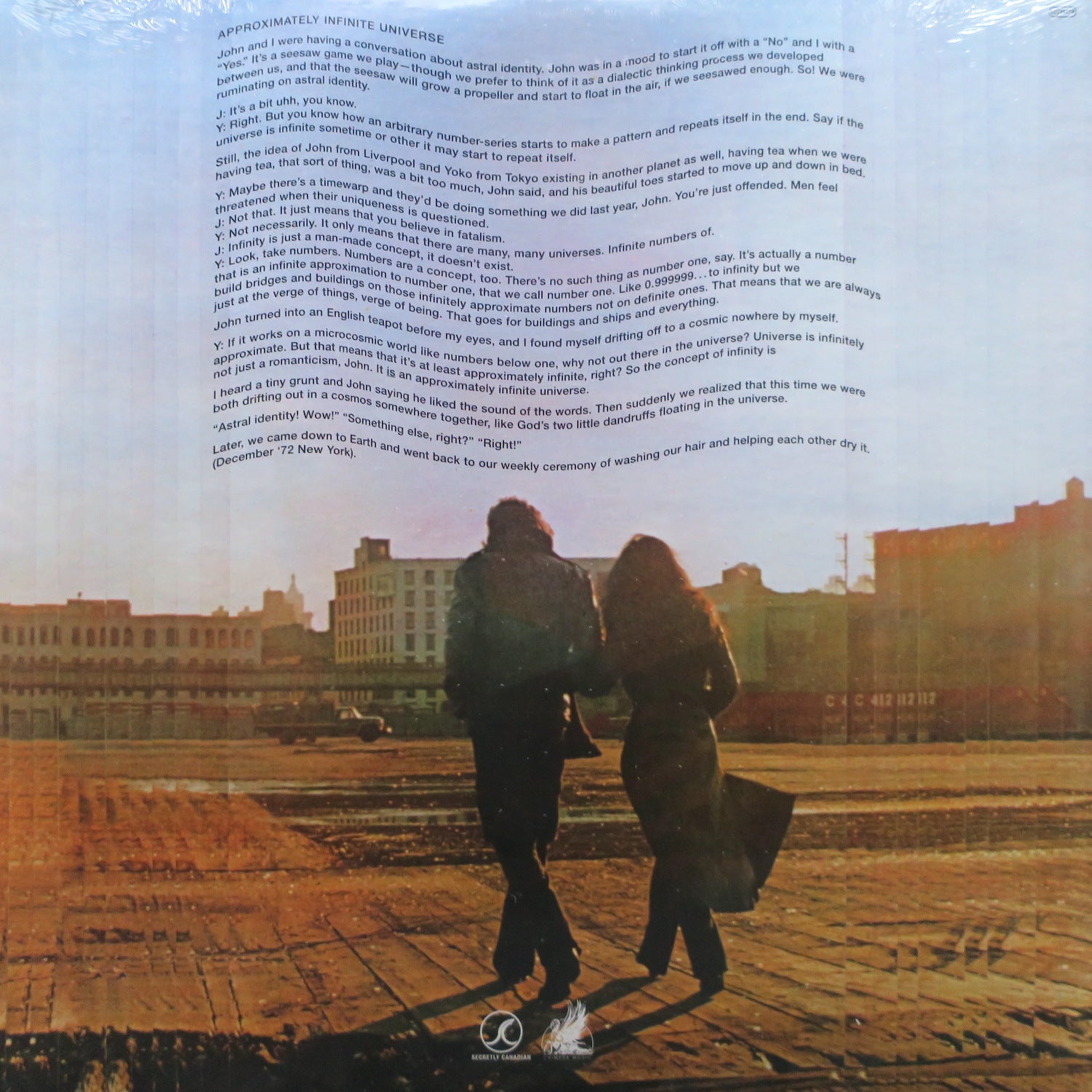
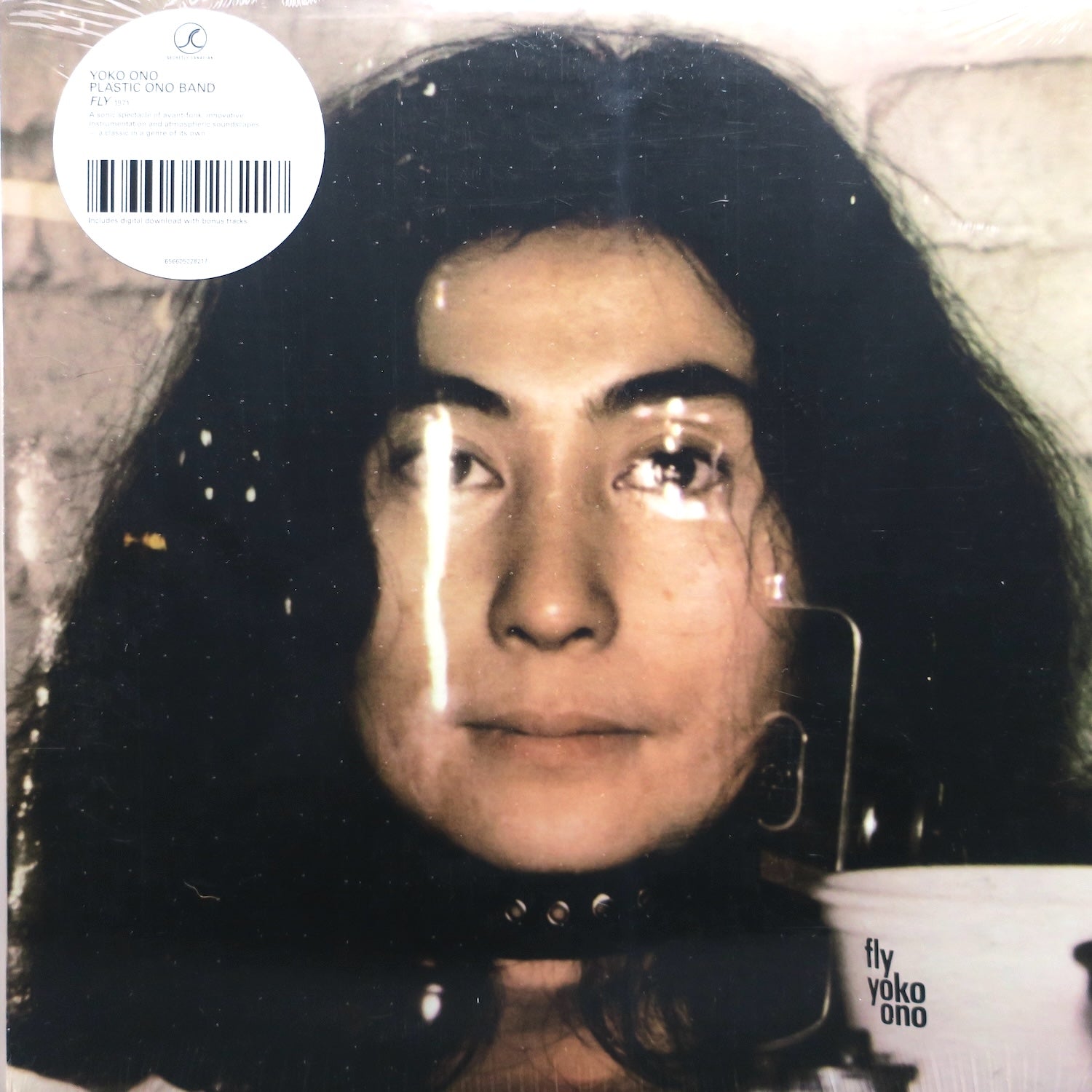
Before mainstream attention arrived with John Lennon, Ono made her name in the Fluxus and avant-garde circles of the early 1960s, staging happenings and publishing instructional scores. That background explains why records like Fly and Approximately Infinite Universe move between disciplined songcraft and moments of controlled chaos: the music carries an artist’s need to test boundaries as much as a songwriter’s aim to communicate.
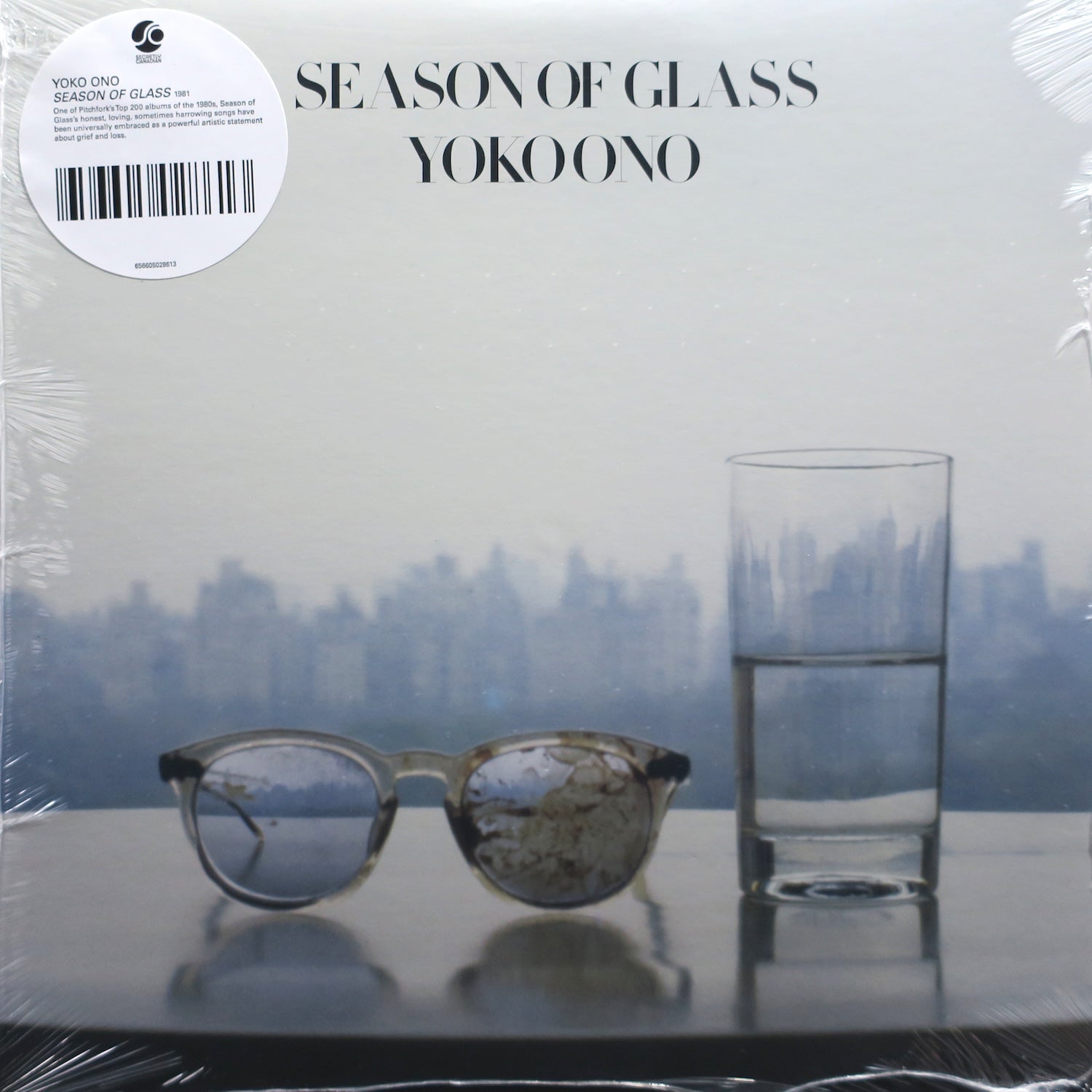
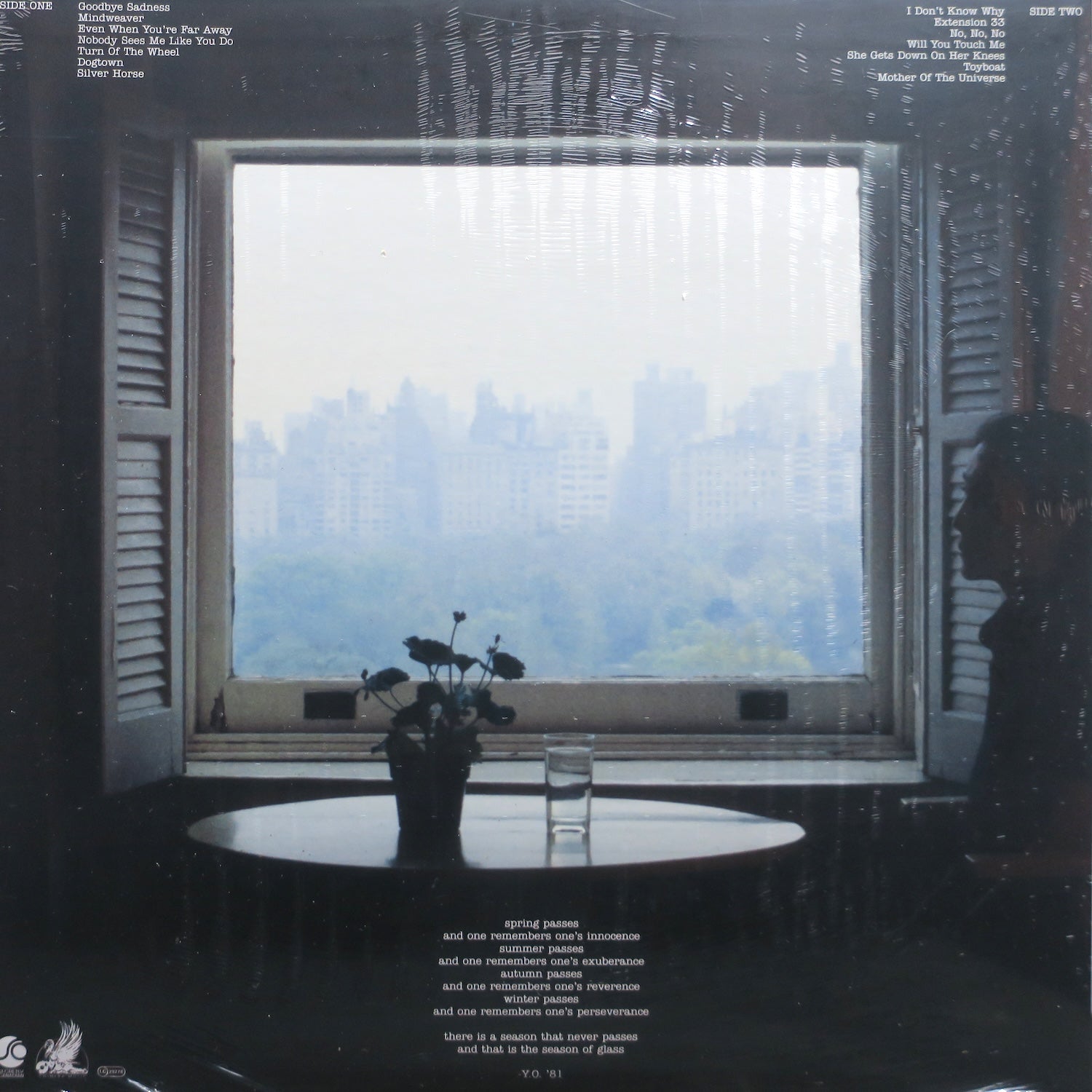
The partnership with John Lennon — and the recordings credited to Plastic Ono Band — brought those experiments into a global spotlight. Sessions around 1969–1971 mixed raw confession, political statements and theatrical vocalism; Season of Glass, recorded after Lennon’s death, translated grief into stark, haunting arrangements. Those records often unsettled mainstream listeners, but they also created a template for later artists who blend high-concept art with immediate emotional content.
Ono’s collaborations extend beyond Lennon. Work with Fluxus collaborators such as Nam June Paik and later-generation partnerships with her son Sean Lennon have kept her sound adaptive: from tape-collage and sound art to lush, modern production on albums like Between My Head and the Sky. In the 2000s a slew of dance remixes introduced Ono’s melodies and provocations to club audiences, reframing her as both elder statesperson and persistent experimenter.
Ultimately, Ono matters because her career insists that the impulse to experiment and the desire for emotional directness are not opposites. Her catalogue rewards both close listening and curiosity: play Plastic Ono Band for the confrontational edge, Approximately Infinite Universe for melodic reach, and Season of Glass for how art handles loss. That range is why her work remains a provocative entry point into the intersections of art, pop and activism.
Recommended Artists: Björk, Nico, John Cale, Captain Beefheart, Alice Coltrane, Lou Reed